Stainless steel for sale is a critical component of Australia’s industrial and construction sectors, offering durability and corrosion resistance. Whether you’re buying stainless steel for a manufacturing project or selling scrap, understanding pricing, grades, and recycling processes is essential. This guide provides expert insights into stainless steel for sale, including market trends, practical tips, and how to navigate the recycling ecosystem.
Understanding Stainless Steel Grades for Sale
Stainless steel is categorized into grades based on composition and properties. The most common types for sale in Australia are:
- 304 Stainless Steel: The most widely used grade due to its corrosion resistance and affordability. Ideal for kitchenware, architecture, and general industrial applications.
- 316 Stainless Steel: Contains molybdenum, making it resistant to chlorides and marine environments. Often used in chemical processing and coastal construction.
- 430 Stainless Steel: A ferritic grade with lower corrosion resistance but higher strength. Commonly used in automotive exhaust systems.
- 201 Stainless Steel: A cost-effective option with reduced nickel content, suitable for non-critical applications like fasteners.
When purchasing stainless steel for sale, confirm the grade to ensure it meets your project’s requirements. For example, 316 stainless is ideal for coastal environments, while 304 stainless offers versatility for most settings.
Factors Affecting Stainless Steel Prices
The price of stainless steel for sale fluctuates based on several factors:
- Grade and Composition: 316 stainless is typically more expensive than 304 stainless due to its molybdenum content.
- Market Demand: Construction booms or industrial downturns impact supply and pricing. Monitor stainless steel scrap prices for real-time trends.
- Global Supply Chains: Australia imports a portion of its stainless steel, making prices sensitive to international trade policies.
- Scrap Content: If selling stainless steel scrap, purity and grade separation significantly influence the value of your material.
For buyers, comparing prices across suppliers and checking for current steel price per tonne can help secure competitive deals.
Where to Buy and Sell Stainless Steel in Australia
Whether you’re buying new stainless steel or selling scrap, Australia offers multiple avenues:
Buying Stainless Steel
- Industrial Suppliers: Companies like ScrapTrade Australia provide sheets, coils, and rods in various grades.
- Online Marketplaces: Platforms such as TradeSteel and MetalStock list sheet of stainless steel and other forms with detailed specifications.
- Local Metal Dealers: Ideal for bulk purchases, with options to customize cuts or thicknesses.
Selling Stainless Steel Scrap
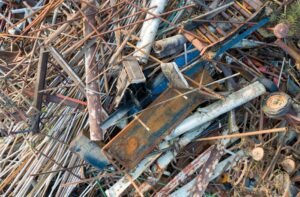
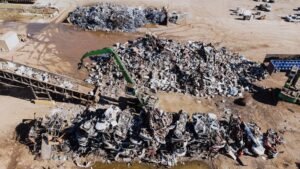
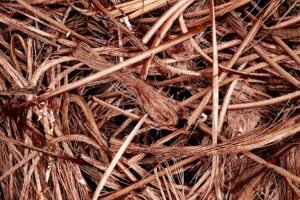
- Recycling Centers: Many facilities pay premium rates for clean, sorted stainless steel scrap.
- Online Scrap Platforms: Use guides on stainless steel recycling to maximize returns.
- Industrial Buyers: Large manufacturers often purchase stainless steel scrap directly for reprocessing.
Always verify the buyer’s reputation and grade sorting capabilities before selling.
Stainless Steel Recycling and Sustainability
Recycling stainless steel for sale reduces environmental impact and conserves resources. Here’s how to optimize the process:
- Separate Grades: 304 and 316 stainless must be isolated to prevent contamination and maintain scrap value.
- Remove Non-ferrous Materials: Remove coatings, plastics, or sheet of stainless steel with embedded non-metallic components.
- Use a Scrap Calculator: Estimate your material’s value before negotiating with buyers.
Australia’s recycling industry processes over 800,000 tonnes of steel annually, with stainless steel being one of the most valuable streams.
Practical Tips for Buyers and Sellers
Maximize efficiency when dealing with stainless steel for sale by following these expert tips:
- Buyers: Request certificates of analysis to confirm grade authenticity. For large projects, negotiate bulk discounts with suppliers.
- Sellers: Clean and sort scrap by grade. Use a scrap calculator to ensure fair pricing.
- Both: Monitor scrap steel prices monthly to time purchases or sales strategically.
For example, if you’re selling sheet of stainless steel from demolition projects, selling during high-demand periods like construction season can boost profits.
Current Market Trends for Stainless Steel in Australia
In 2024, Australia’s stainless steel market is influenced by the following trends:
- Infrastructure Growth: Government investments in rail and housing are driving demand for 304 and 316 stainless.
- Export Opportunities: Australian recyclers are exporting stainless steel scrap to Asian markets, where price of stainless steel per tonne is higher.
- Green Building Standards: LEED-certified projects prefer recycled stainless steel, increasing its market value.
Stay informed about these trends to capitalize on opportunities, whether you’re recycling stainless steel or sourcing new material.
How to Verify Authenticity of Stainless Steel for Sale
With counterfeit materials occasionally entering the market, verify authenticity using these methods:
- Metal Testing Kits: Use handheld spectrometers to confirm grade composition.
- Seller Certifications: Reputable suppliers provide mill certificates for each batch.
- Visual Inspection: 316 stainless typically has a slightly darker, more refined finish compared to 304 stainless.
For high-stakes projects, such as medical device manufacturing, always insist on documentation and testing.
Conclusion: Making Informed Decisions About Stainless Steel for Sale
Stainless steel for sale in Australia requires careful consideration of grade, pricing, and recycling options. By understanding the nuances of 304 vs. 316 stainless, leveraging scrap calculators, and monitoring market fluctuations, buyers and sellers can optimize their transactions. Whether you’re constructing a building or liquidating scrap, this guide provides the framework to navigate the stainless steel market confidently.
Frequently Asked Questions
What is the difference between 304 and 316 stainless steel?
304 stainless steel contains 18% chromium and 8% nickel, offering general corrosion resistance. 316 stainless steel adds 2-3% molybdenum, enhancing resistance to chlorides and marine environments.
How is stainless steel scrap priced?
Scrap pricing depends on grade purity, market demand, and global steel prices. Clean, sorted stainless steel scrap commands higher rates than mixed or contaminated material.
Why recycle stainless steel?
Recycling conserves natural resources, reduces energy consumption, and generates revenue. Stainless steel is 100% recyclable without losing quality.
Where can I sell stainless steel for maximum profit?
Specialized recycling centers, online scrap platforms, and industrial buyers offer competitive rates. Always use a scrap value calculator before selling.