
Stainless steel SA, a critical material in Australia’s industrial and construction sectors, is renowned for its durability, corrosion resistance, and versatility. Whether you’re a recycling professional, manufacturer, or consumer, understanding stainless steel SA’s grades, applications, and recycling processes is essential for maximizing profitability and sustainability. This comprehensive guide explores everything you need to know about stainless steel SA, from its common grades to practical tips for selling scrap and staying updated on steel price per tonne fluctuations.
1. Understanding Stainless Steel SA: Grades and Properties
Stainless steel SA is a classification used in Australia to denote specific grades of stainless steel, such as 304 stainless and 316 stainless. These grades differ in composition and performance:
- 304 Stainless Steel: Contains 18% chromium and 8% nickel (18/8), making it suitable for general-purpose applications like kitchenware, appliances, and construction.
- 316 Stainless Steel: Adds 2% molybdenum, enhancing resistance to chlorides and seawater, ideal for marine environments and chemical processing.
- Other Grades: Include 302, 303, and 430, each tailored for specific industrial needs like high heat resistance or cost efficiency.
These grades are classified as ferrous metal (iron-based) but are distinct from mild steel due to their chromium content, which prevents rust and oxidation.
2. Applications of Stainless Steel SA in Australia
Stainless steel SA is integral to Australia’s economy, with widespread use in:
- Construction: Structural beams, roofing, and architectural finishes.
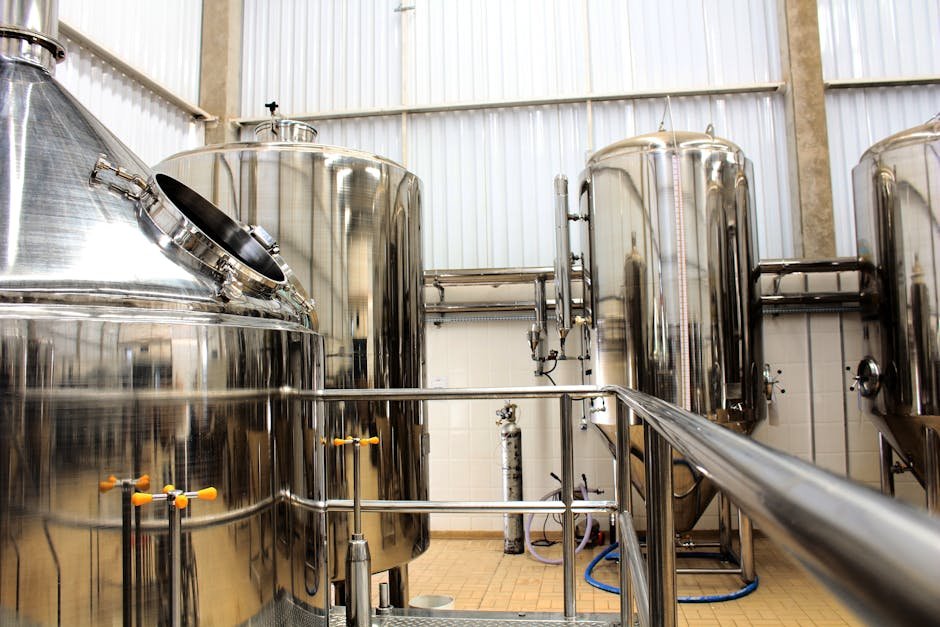
- Food and Beverage: Equipment and storage tanks requiring hygiene and durability.
- Medical Devices: Surgical tools and implants due to biocompatibility and sterilization resistance.
- Transportation: Automotive components and railway systems for corrosion protection.
Its adaptability ensures a steady demand for stainless steel SA, whether in manufacturing or scrap steel recovery.
3. Recycling Stainless Steel SA: Benefits and Process
Recycling stainless steel SA is environmentally and economically vital. Here’s how it works:
- Collection: Scrap is gathered from demolition sites, manufacturing waste, and consumer goods.
- Sorting: Grades like 304 and 316 are separated using spectrometers to ensure purity.
- Processing: Melted in electric arc furnaces and cast into new products, reducing energy use by up to 70% compared to virgin production.
For maximum profit, use our Stainless Steel Recycling How To Sell Scrap For Maximum Profit guide to optimize your sales strategy.
4. Selling Stainless Steel SA Scrap: Practical Tips
To maximize returns when selling stainless steel SA scrap:
- Identify Grades: Accurate grading (e.g., 304 vs. 316) directly impacts your steel price per tonne. Use a magnet—316 is non-magnetic, while 304 may be slightly magnetic after cold working.
- Prepare Clean Material: Remove contaminants like paint, dirt, and other metals to avoid downgrading.
- Compare Offers: Leverage platforms like Scrap Trade to compare Stainless Steel Scrap Prices and secure the best deals.
Use our Stainless Steel Scrap Calculator Estimate Your Material Value to instantly determine your scrap’s worth.
5. Stainless Steel SA Price Trends in Australia (2024)
Stainless steel SA prices fluctuate based on global demand, raw material costs, and geopolitical factors. As of 2024:
- 304 Stainless: Ranges from $1,200 to $1,600 per tonne, depending on purity and market conditions.
- 316 Stainless: Commands higher prices ($1,700–$2,200 per tonne) due to its specialized molybdenum content.
Monitor stainless steel rate updates regularly to capitalize on market opportunities. For bulk sales, negotiate contracts during low-price periods to lock in favorable terms.
6. Environmental Impact and Sustainability of Stainless Steel SA
Stainless steel SA is 100% recyclable, making it a cornerstone of circular economy initiatives. Recycling reduces:
- Energy consumption by 75% compared to primary production.
- Greenhouse gas emissions by up to 90%.
- Landfill waste by diverting millions of tons of scrap annually.
Australia’s commitment to sustainable practices positions stainless steel SA recycling as a strategic priority for both environmental and economic growth.
7. Choosing the Right Recycling Partner in Australia
Partnering with a reputable recycler ensures compliance, transparency, and fair pricing. Key considerations include:
- Certifications: Look for ISO 14001 (environmental) and RIOS (responsible sourcing) certifications.
- Local Expertise: Choose recyclers familiar with Australian stainless steel markets to navigate regional nuances.
- Payment Terms: Secure clear agreements on payment timelines and pricing structures.
Explore stainless steel shop options for seamless transactions and competitive offers.
8. Future Outlook for Stainless Steel SA in Australia
With Australia’s focus on infrastructure development and green energy, demand for stainless steel SA is projected to grow by 5% annually. Innovations in recycling technology and electric vehicle manufacturing will further drive market dynamics. Stay ahead by:
- Investing in scrap metal recovery units for small-scale operations.
- Advocating for extended producer responsibility (EPR) programs to boost recycling rates.
The future of stainless steel SA lies in balancing industrial needs with environmental stewardship.
Conclusion
Stainless steel SA is a vital resource in Australia’s industrial ecosystem, offering both functional and financial value. By understanding its grades, recycling processes, and market trends, stakeholders can unlock profitability while contributing to sustainability. Whether you’re managing sheet metal waste or optimizing stainless steel scrap sales, tools like our Scrap Trade platform empower informed decisions. Embrace the circular economy and ensure your stainless steel SA operations remain agile, profitable, and forward-thinking.
Frequently Asked Questions
What is the difference between 304 stainless and 316 stainless?
304 stainless contains 18% chromium and 8% nickel, while 316 stainless adds 2% molybdenum for enhanced corrosion resistance. 316 is ideal for marine and chemical environments, whereas 304 is used for general applications like construction and household items.
How do I determine the value of my stainless steel SA scrap?
Use our Stainless Steel Scrap Calculator to estimate value based on grade, weight, and current market rates. Refer to Stainless Steel Scrap Prices for real-time pricing updates.
Why is stainless steel SA recycling important?
Recycling stainless steel SA reduces energy consumption by 75% and greenhouse gas emissions by 90% compared to producing new steel. It also conserves natural resources and supports Australia’s circular economy goals.
Where can I sell stainless steel SA scrap in Australia?
Sell through specialized recyclers or platforms like Scrap Trade to access competitive pricing. Ensure your material is clean, sorted by grade, and prepared for maximum returns.