
The stainless steel scrap metal price is a pivotal metric for manufacturers, recyclers, and traders across the continent, influencing profitability and supply chain decisions. This guide breaks down every element that shapes the price, from market dynamics to the environmental advantages of recycling.
1. Overview of the Australian Stainless Steel Scrap Market
Australia’s stainless steel scrap market is a mature, high‑volume sector that processes millions of tonnes of ferrous metal each year. While mild steel and sheet metal dominate the broader scrap steel landscape, stainless grades such as 304 and 316 command premium rates because of their alloy composition and corrosion‑resistant properties. The national steel price per tonne is published weekly by the Australian Steel Institute, but scrap prices are negotiated at the kilogram level, reflecting the finer granularity required for alloy‑specific trading.
2. How the stainless steel scrap metal price is Determined
Prices are set through a combination of global commodity indices, local supply‑and‑demand balances, and the specific grade of scrap being offered. The primary benchmarks include the London Metal Exchange (LME) stainless steel price and the US Steel Index. Traders then apply a grade differential—for example, 304 stainless typically trades 10‑15% higher than 430 ferritic stainless. Shipping costs, processing fees, and regional market sentiment also feed into the final kilogram price.
For a real‑time snapshot, visit the Stainless Steel Scrap Price page, which aggregates data from major Australian processors.
3. Grades of Stainless Steel Scrap and Their Impact on Price
Stainless steel is categorised by its alloy composition and corrosion resistance. The most common grades encountered in scrap are:
- 304 stainless: The workhorse of the industry, containing 18% chromium and 8% nickel. It commands the highest price due to its broad application in food processing, medical equipment, and architecture.
- 316 stainless: Adds molybdenum for superior chloride resistance, making it valuable for marine and chemical environments. Check the stainless steel 316 scrap price for current rates.
- 430 ferritic stainless: Lower nickel content, used in appliances and automotive trim. It trades at a discount to 304/316 but still above mild steel.
- Duplex and super‑austenitic grades: Niche, high‑performance alloys that can fetch premium prices when available.
The grade determines the scrap’s purity, required processing, and ultimately the price per kilogram. Mixing grades reduces the overall value, so segregation is essential for maximising returns.
4. Key Factors That Influence the stainless steel scrap metal price
Several variables cause price fluctuations on a daily or even hourly basis:
- Global steel production: When major producers like China or Europe ramp up output, raw stainless steel supply rises, pulling down scrap prices.
- Currency exchange rates: The Australian dollar’s strength against the US dollar directly affects the cost of imported raw material and thus the willingness of manufacturers to purchase local scrap.
- Industrial demand: Construction booms, infrastructure projects, and automotive manufacturing spikes increase demand for stainless components, lifting scrap prices.
- Recycling policy changes: New landfill taxes or incentives for circular economy practices can shift scrap supply dynamics.
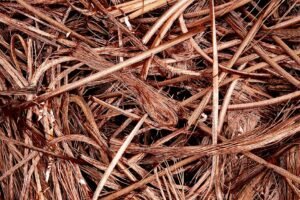
- Quality and contamination: Presence of copper, oil, or non‑ferrous metals reduces the price. Clean, well‑sorted scrap commands the best rates.
Monitoring these drivers helps sellers anticipate price movements and time their sales for optimal profit.
5. The Recycling Process: From Collection to Re‑Melting
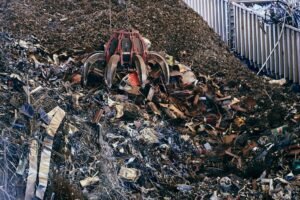
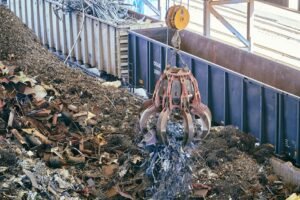
Recycling stainless steel begins with collection at demolition sites, manufacturing off‑cuts, or consumer drop‑off points. The material is then sorted—often using magnetic separation for ferrous metal and eddy‑current techniques for non‑ferrous contaminants. After sorting, the scrap is shredded, baled, and transported to a re‑melting furnace where it is melted down, refined, and cast into new billets or slabs.
Because stainless steel retains its alloying elements during melting, the recycled product can achieve up to 95% of the original material’s strength and corrosion resistance. This closed‑loop capability is why the industry values stainless scrap more highly than many other ferrous metals.
For businesses handling pipe scrap, the Metal Pipe Scrap Buyers Copper Steel Stainless Pipe guide offers detailed insights on how to prepare and price pipe‑type stainless scrap.
6. Environmental Benefits of Stainless Steel Recycling
Recycling stainless steel delivers substantial environmental dividends:
- Energy savings: Producing stainless from scrap uses up to 75% less energy than creating it from virgin ore.
- Reduced CO₂ emissions: Lower energy demand translates into fewer greenhouse gases, supporting Australia’s Net‑Zero targets.
- Conservation of natural resources: Recycling curtails the need for mining nickel, chromium, and molybdenum, preserving ecosystems.
- Landfill diversion: High‑grade stainless scrap is 100% recyclable, keeping valuable material out of landfill.
These benefits are recognised by government incentives that reward companies for achieving higher recycling rates, further influencing the market price.
7. Practical Tips for Sellers to Maximise Profit
To extract the highest possible stainless steel scrap metal price, consider the following strategies:
- Segregate grades: Keep 304 and 316 separate from lower‑grade 430. Use colour‑coded bins or dedicated containers.
- Remove contaminants: Strip away copper, aluminum, and oil residues before delivery. Even small amounts of copper can reduce price by 10‑15%.
- Stay informed: Subscribe to weekly price bulletins from reputable brokers and monitor the price for stainless steel scrap page for real‑time updates.
- Negotiate volume discounts: Larger, consistent shipments often attract better rates from processors.
- Leverage online platforms: List your inventory on digital marketplaces such as Scrap Trade to reach a broader buyer base.
- Understand contract terms: Review payment terms, transport fees, and any quality penalties before signing.
For a step‑by‑step guide on how to sell at top price, read the article Stainless Scrap Price How To Sell Stainless Steel Scrap For Maximum Profit.
8. Frequently Asked Questions (FAQ)
Below are concise answers to common queries about stainless steel scrap pricing and recycling.
Conclusion
The Australian stainless steel scrap metal price is shaped by a complex interplay of global commodity trends, grade-specific demand, and local regulatory incentives. By understanding how prices are set, recognising the value of different grades, and adopting best‑practice recycling methods, both sellers and buyers can benefit financially while contributing to a greener economy. Stay proactive, keep your scrap clean and well‑sorted, and regularly consult reliable price sources to ensure you capture the best market value.
For more comprehensive resources on metal recycling, visit ScrapTrade Australia, the leading authority on sustainable metal management in the region.
Frequently Asked Questions
What determines the current stainless steel scrap metal price in Australia?
The price is driven by global steel indices, local supply and demand, grade differentials (e.g., 304 vs 316), currency fluctuations, and the level of contamination in the scrap.
How can I increase the value of my stainless steel scrap?
Separate grades, remove non‑ferrous contaminants, keep the material dry, and sell in larger, consistent batches to reputable processors who offer premium rates.
Is recycling stainless steel more environmentally friendly than producing new steel?
Yes, recycling uses up to 75% less energy, cuts CO₂ emissions dramatically, and conserves raw ore resources, aligning with Australia’s sustainability goals.
Where can I find up‑to‑date stainless steel scrap prices?
Current rates are published on industry portals such as the Stainless Steel Scrap Price page, as well as on price‑tracking sections of Scrap Trade’s website.