
Stainless steel sheet cut to size is a critical material in Australia’s industrial sector, providing versatile solutions for fabrication, structural work, and precision engineering. From kitchen appliances to infrastructure projects, cut-to-size stainless steel sheets deliver durability while aligning with sustainability goals through recyclability. This comprehensive guide explores everything industry professionals need to know about selecting, working with, and recycling stainless steel sheets.
Understanding Stainless Steel Sheet Grades
Stainless steel sheets are categorized by their alloy composition, with 304 stainless and 316 stainless being the most common grades for cut-to-size applications. These grades offer distinct properties:
- 304 stainless: Contains 18% chromium and 8% nickel, making it ideal for general-purpose applications like food processing equipment and architectural cladding.
- 316 stainless: Adds 2% molybdenum for enhanced corrosion resistance, suitable for marine environments and chemical processing.
Ferrous metals like mild steel differ significantly from stainless steel in their magnetic properties and corrosion resistance. Always verify grade specifications before cutting to ensure material compatibility with your project requirements.
Custom Cutting Techniques for Stainless Steel Sheets
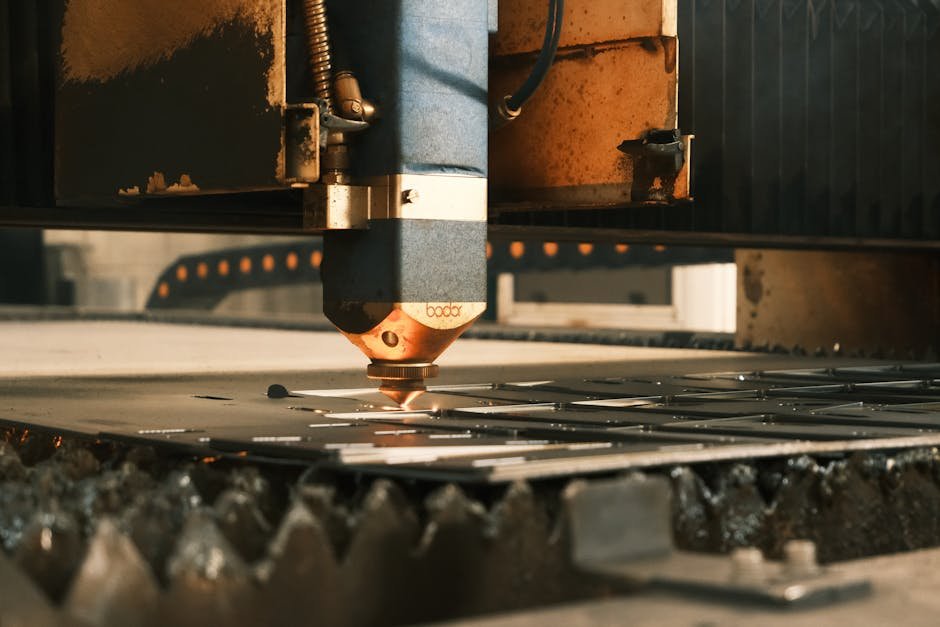
Professional cutting services use advanced methods to achieve precise stainless steel sheet cut to size solutions:
- Laser cutting: Delivers 0.1mm accuracy for intricate designs in sheet metal up to 25mm thick.
- Plasma cutting: Suitable for thicker sheets (up to 50mm) at high speeds, though requiring post-cleaning.
- Oxy-fuel cutting: Economical for heavy-gauge sheets but not recommended for stainless grades due to oxidation risks.
For optimal results, work with stainless steel sheet suppliers who offer certified cutting services. Always request mill certificates to confirm material quality and traceability.
Industrial Applications of Cut-to-Size Sheets
Custom-cut stainless steel sheets enable precise solutions across industries:
- Construction: Used for roofing, cladding, and structural supports in environments demanding high durability.
- Manufacturing: Forms the basis of machine components, heat exchangers, and industrial tanks.
- Renewable Energy: Preferred for solar panel frames and wind turbine components due to corrosion resistance.
When sourcing materials, consider the steel price per tonne fluctuations that impact project budgets. Monitor global markets to optimize procurement timing.
Recycling and Scrap Value of Stainless Steel Sheets
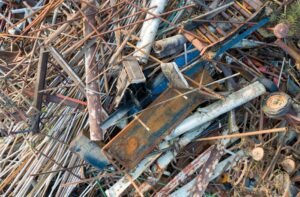
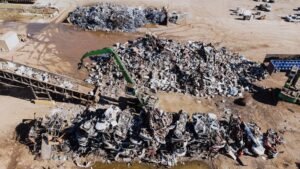
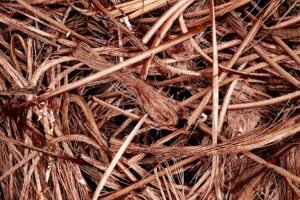
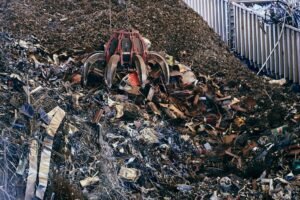
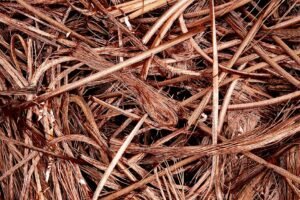
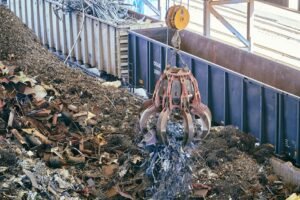
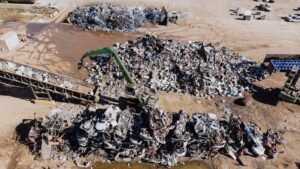
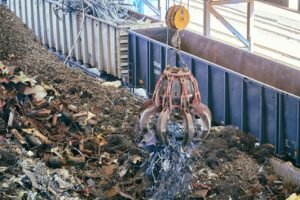
Recycling stainless steel scrap is vital for sustainability. Key considerations include:
- 304 and 316 stainless have distinct melting points, so proper sorting is essential for recycling efficiency.
- Steel scrap calculators help estimate scrap value based on weight, grade, and current market rates.
- Refer to our stainless steel scrap price guide for real-time stainless steel scrap valuations.
For maximum returns, follow this step-by-step recycling guide when preparing cut sheets for sale.
Cost Optimization Strategies
Reduce expenses while ensuring quality with these practical tips:
- Negotiate bulk pricing with stainless steel sheet suppliers for large projects.
- Request cut-off slabs as free samples to test material properties before ordering full sheets.
- Compare Scrap Trade Australia and Scrap Trade Global for competitive pricing on both raw materials and recycled sheets.
Quality Control and Testing
Ensure material integrity with these verification methods:
- Perform magnetic tests to distinguish between austenitic (non-magnetic) and ferritic (magnetic) stainless steel grades.
- Use spectrometers to confirm exact alloy compositions for critical applications.
- Inspect cut edges for heat-affected zones (HAZ) that may compromise structural strength.
For high-stakes projects, always request third-party quality certifications from your stainless steel cut to size provider.
Market Trends and Future Outlook
The Australian stainless steel market is evolving with:
- Increased demand for sheet metal in green building projects (up 18% in 2023).
- Government incentives for recycling ferrous metal and stainless steel scrap (reducing landfill use by 30% since 2020).
- Advancements in laser cutting technology reducing waste by 12% in precision fabrication.
Stay ahead by monitoring steel price per tonne benchmarks and investing in certified recycling programs.
Conclusion
Stainless steel sheet cut to size offers unmatched versatility for Australian industries, combining durability with environmental sustainability. Whether you’re fabricating medical equipment or constructing renewable energy systems, understanding grades, cutting techniques, and recycling options ensures optimal performance and cost efficiency. For real-time market insights and competitive pricing, leverage our resources at Scrap Trade Australia and Scrap Trade Global to maximize value across your supply chain.
Frequently Asked Questions
What’s the difference between 304 and 316 stainless steel sheets?
304 stainless contains 18% chromium and 8% nickel, making it ideal for general applications. 316 stainless adds 2% molybdenum for enhanced corrosion resistance, suitable for harsh environments like marine or chemical processing.
How can I calculate the scrap value of stainless steel sheets?
Use our stainless steel scrap calculator to estimate value based on weight, grade, and current market rates. Proper sorting of grades like 304 vs 316 improves accuracy.
Where can I buy stainless steel sheets cut to size?
Partner with certified stainless steel sheet suppliers who offer precision cutting services. Always request mill certificates to verify material quality and traceability.
What factors affect stainless steel sheet pricing in Australia?
Prices are influenced by global steel price per tonne trends, supply chain disruptions, and demand from sectors like construction and renewable energy. Monitor these factors to optimize procurement timing.