
The term stainless steel sheet prices encompasses a dynamic market influenced by global trade, alloy composition, and recycling demand. In 2024, the Australian market reflects steady fluctuations due to geopolitical factors, raw material costs, and industrial demand. Understanding these trends is essential for businesses, recyclers, and buyers seeking to optimize value from stainless steel sheets. This guide provides actionable insights into pricing mechanisms, current rates, and strategies to navigate the market effectively.
Overview of Stainless Steel Sheet Pricing
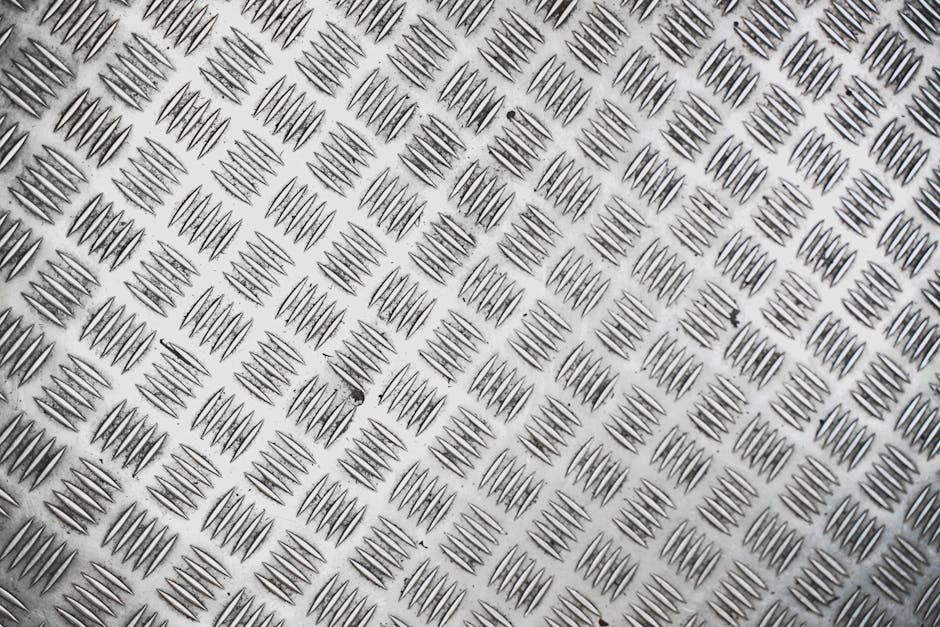
Stainless steel sheets are categorized by alloy grades, primarily 304 and 316, which dictate their corrosion resistance, durability, and market value. 304 stainless dominates the market due to its cost-effectiveness and versatility in construction, food processing, and automotive industries. 316 stainless, with its molybdenum content, offers enhanced resistance to chlorides and is used in marine and chemical environments. Prices per kg are influenced by these grades, with 316 typically commanding a premium over 304.
Factors Influencing Stainless Steel Sheet Prices
Several macro and microeconomic factors shape stainless steel sheet prices:
- Global Steel Markets: Prices of iron ore, nickel, and chromium directly impact production costs. For example, a 2023 surge in nickel prices due to supply constraints in Indonesia pushed stainless steel costs upward.
- Alloy Composition: 316 stainless contains 2–3% molybdenum, increasing its price by 15–25% compared to 304.
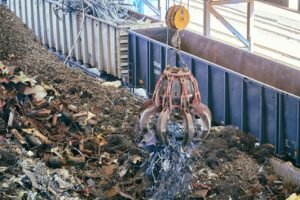
- Scrap Demand: Stainless Steel Scrap Price trends correlate with industrial production cycles. High demand for recycled stainless in manufacturing elevates scrap value.
- Local Supply: Australia’s reliance on imported stainless steel sheets means export tariffs and shipping costs significantly affect domestic pricing.
Current Market Value: 304 vs. 316 Stainless Steel
As of Q2 2024, sheet stainless steel prices in Australia average:
- 304 Stainless: $4.50–$6.00/kg (depends on thickness and condition)
- 316 Stainless: $6.00–$8.50/kg (premium for molybdenum content)
These rates align with global benchmarks but vary regionally. For example, Port Kembla-based recyclers report a 10% price premium for 316 due to high demand from chemical plant refurbishments.
How Prices Are Set in the Recycling Industry
Stainless steel prices for scrap are determined through a combination of:
- Grade Sorting: Recyclers use spectrometers to verify alloy composition. Contaminated batches (e.g., mixed with mild steel) receive lower payouts.
- Market Arbitrage: Prices track the London Metal Exchange (LME) stainless steel index, adjusted for freight and processing fees.
- Buyer Negotiations: Platforms like https://scrap.trade publish real-time Stainless Steel Scrap Buyers Australia Best Prices Paid In 2026 to promote transparency.
Practical Tips for Selling Stainless Steel Sheets
To maximize returns when selling stainless steel sheets, follow these strategies:
- Material Sorting: Separate 304 and 316 sheets. Mixed grades reduce stainless steel prices for scrap by 20–30%.
- Use a Calculator: Estimate value with Stainless Steel Scrap Calculator Estimate Your Material Value, which factors in weight, grade, and current rates.
- Work with Certified Recyclers: Choose https://scraptrade.com.au for verified buyers who pay premiums for clean, sorted sheets.
Future Outlook and Market Trends
Industry analysts predict a 5–8% increase in stainless steel sheet prices by 2025 due to:
- Reduced global nickel production from environmental regulations in Russia and Canada.
- Green steel initiatives requiring higher-grade alloys for renewable energy infrastructure.
- Supply chain disruptions from port strikes in South Africa and India.
Investors and traders should monitor these trends to time purchases and sales effectively.
Conclusion
The stainless steel sheet prices landscape in Australia is shaped by global markets, alloy composition, and recycling demand. By understanding these dynamics and leveraging tools like https://scrap.trade’s pricing guides, stakeholders can optimize their returns. Whether you’re a manufacturer, recycler, or buyer, staying informed is key in this volatile sector.
Technical Specifications and Applications
Different grades of stainless steel sheets are engineered for specific applications. 304 stainless is ideal for indoor environments due to its balance of strength and corrosion resistance, while 316 stainless excels in coastal or chemical settings. Sheet thickness (measured in gauges) also affects pricing, with thinner sheets (20–25 gauge) being more economical than heavy industrial plates.
Comparative Analysis: Ferrous vs. Non-Ferrous Metals
While ferrous metals like mild steel dominate construction due to their low cost, they lack the durability of stainless steel. Sheet metal buyers must weigh upfront costs against long-term maintenance savings. For instance, replacing a stainless steel kitchen hood every 20 years versus a carbon steel one every 8 years justifies the higher initial investment.
Environmental and Regulatory Considerations
Recycling scrap steel accounts for 35% of global stainless steel production. Australian regulations mandate a minimum 60% recycled content in new stainless steel, driving demand for high-grade scrap. Producers failing to meet these standards face penalties, creating a tailwind for recycler revenues.
Global Trade Dynamics
Australia imports 70% of its stainless steel sheets from China and Japan. Tariffs and currency fluctuations heavily influence domestic pricing. For example, the 2024 A$3.00/US$ exchange rate reduced import costs by 12%, temporarily stabilizing local prices.
Technological Innovations in Pricing
Blockchain-based platforms are emerging to track stainless steel supply chains, ensuring transparency in steel price per tonne transactions. These systems reduce fraud and enable real-time price updates, benefiting both buyers and sellers.
Frequently Asked Questions
What’s the main difference between 304 and 316 stainless steel prices?
316 stainless steel contains molybdenum, offering superior corrosion resistance and a 15–25% higher price per kg compared to 304 stainless in Australian markets.
How can I get the best price for my stainless steel sheets?
Sort sheets by grade, use a Stainless Steel Scrap Calculator, and work with certified buyers like https://scraptrade.com.au for transparent pricing.
Why do stainless steel sheet prices fluctuate so much?
Prices are influenced by global nickel/chromium markets, geopolitical events, and industrial demand. For example, the 2023 Indonesia nickel export ban caused a 12% spike in Australian stainless steel prices.
Is selling stainless steel scrap profitable in 2024?
Yes, with the Stainless Steel Scrap Price averaging $5.50/kg for 304, recycling can yield strong profits if you access premium buyers and avoid contamination.