
Overview of Stainl Recycling in Australia
Stainless steel, often referred to as stainl in industry contexts, is a versatile alloy known for its corrosion resistance, durability, and aesthetic appeal. In Australia, stainl recycling plays a critical role in the circular economy, transforming scrap metal into high-quality raw materials. The process not only conserves natural resources but also reduces energy consumption and greenhouse gas emissions compared to producing new stainless steel from virgin ore. As demand for sustainable practices grows, stainl recycling has become a cornerstone of the Australian resource recovery sector.
Types of Stainless Steel Scrap
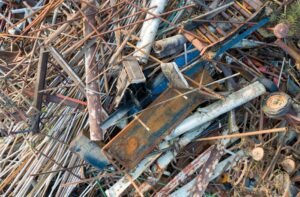
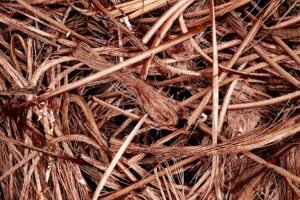
Stainl scrap originates from various sources, including manufacturing waste, end-of-life products, and construction remnants. Common types include:
- Austenitic stainless steel: High chromium and nickel content, ideal for food processing and chemical industries.
- Ferritic stainless steel: Magnetic and cost-effective, used in automotive and architectural applications.
- Martensitic stainless steel: Hard and wear-resistant, often found in tools and cutlery.
- Duplex stainless steel: Combines strength and corrosion resistance, used in marine and industrial environments.
Collection and Sorting Processes
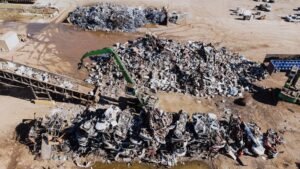
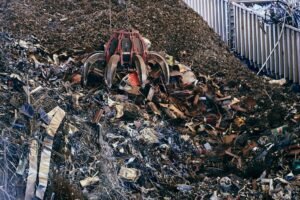
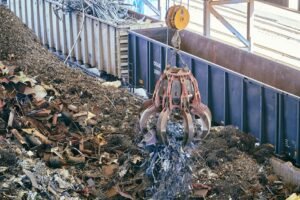
Effective stainl recycling begins with systematic collection and sorting. Scrap is sourced from:
- Steelworks and fabrication facilities
- Household appliances and automotive components
- Construction site remnants
Sorting involves grading stainl by alloy type and contamination levels. Advanced technologies like X-ray fluorescence (XRF) spectrometry ensure accurate alloy identification, ensuring the recycled material meets industry specifications.
Recycling Process for Stainl
The stainl recycling process involves several stages:
- Shredding and Pre-Treatment: Scrap is shredded and cleaned to remove contaminants like paint or oil.
- Melting: The material is melted in electric arc furnaces or induction furnaces at temperatures exceeding 1,500°C.
- Refining: Impurities are removed through processes like argon-oxygen decarburization (AOD).
- Casting: The refined metal is cast into slabs, blooms, or billets for further processing.
- Finishing: The final product undergoes rolling, annealing, and surface treatment to meet quality standards.
Recycled stainl maintains its properties, making it indistinguishable from virgin material in performance.
Benefits of Recycling Stainl
Recycling stainl offers significant environmental and economic advantages:
- Resource Conservation: Reduces reliance on mining for chromium, nickel, and iron ore.
- Energy Savings: Producing recycled stainl consumes up to 70% less energy than primary production.
- Cost Efficiency: Recycled stainl is often cheaper for manufacturers, lowering production costs.
- Waste Reduction: Diverts millions of tons of metal waste from landfills annually.
For example, Scraptrade Recognises Sands Industries With The Australian Industrial Innovation Award 2025 highlights how innovation in stainl recycling drives industry advancements.
Industry Innovations and Awards
Australia’s stainl recycling sector is evolving with cutting-edge technologies and sustainable practices. Notable developments include:
- Hydrogen-Based Melting: Reduces carbon emissions during the melting phase.
- AI-Powered Sorting: Enhances accuracy in alloy classification and quality control.
- Global Collaboration: Platforms like グローバル廃金属取引プラットフォームが正式サ facilitate cross-border stainl trade, optimizing supply chains.
In 2025, Sands Industries was recognized for pioneering a closed-loop recycling system that integrates stainl from consumer electronics into new industrial components.
Practical Tips for Recycling Stainl
Individuals and businesses can contribute to stainl recycling by following these steps:
- Identify Stainl: Use a magnet test or chemical analysis to confirm the alloy type.
- Segregate Contaminants: Separate stainl from other metals like aluminum or copper.
- Partner with Certified Recyclers: Choose facilities accredited by organizations like the Scrap Metal Recycling Association (SMRA).
- Track Recycling Incentives: Some states offer rebates for diverting stainl from landfills.
For large-scale operations, platforms like Scraptrade provide transparent pricing and logistics support for stainl scrap.
Conclusion
Recycling stainl is essential for Australia’s transition to a sustainable, resource-efficient future. By embracing advanced technologies, fostering industry collaboration, and educating stakeholders, the sector can maximize the value of stainl while minimizing environmental impact. Whether you’re a homeowner with old appliances or a manufacturer with industrial waste, your participation in stainl recycling contributes to a greener economy.
FAQs
Why is recycling stainl important?
Recycling stainl conserves finite resources like chromium and reduces energy consumption, lowering carbon emissions and landfill waste.
How do I identify stainl for recycling?
Use a magnet test (ferritic/martensitic stainl will attract magnets) and chemical analysis for accurate alloy classification.
What happens to stainl scrap after collection?
Scrap is shredded, melted, refined, and recast into new products, maintaining its corrosion-resistant properties.
How can I find a reliable stainl recycler?
Check for certifications like ISO 14001 and partner with platforms like Scraptrade, which connects recyclers and buyers globally.
Related: グローバル廃金属取引プラットフォームが正式サ
Related: منصة تجارة الخردة العالمية تُطلق خدما
Frequently Asked Questions
Why is recycling stainl important?
Recycling stainl conserves finite resources like chromium and reduces energy consumption, lowering carbon emissions and landfill waste.
How do I identify stainl for recycling?
Use a magnet test (ferritic/martensitic stainl will attract magnets) and chemical analysis for accurate alloy classification.
What happens to stainl scrap after collection?
Scrap is shredded, melted, refined, and recast into new products, maintaining its corrosion-resistant properties.
How can I find a reliable stainl recycler?
Check for certifications like ISO 14001 and partner with platforms like Scraptrade, which connects recyclers and buyers globally.