
Stainless steel supplier Melbourne is a critical search term for businesses and individuals seeking reliable sources of high-quality stainless steel materials. With Melbourne’s industrial and manufacturing sectors thriving, selecting the right supplier ensures access to premium grades like 304 and 316 stainless, competitive steel price per tonne, and efficient recycling solutions. This guide provides an exhaustive overview of Melbourne’s stainless steel market, including types of materials, supplier selection criteria, and practical insights for maximizing value.
Key Types of Stainless Steel and Their Applications
Stainless steel is categorized into families, with austenitic grades (300 series) and ferritic/martensitic grades (400 series) being the most common. In Melbourne, 304 stainless dominates due to its corrosion resistance and affordability, making it ideal for kitchen appliances, construction, and automotive parts. 316 stainless, which contains molybdenum for enhanced resistance to chlorides, is preferred for marine environments and chemical processing equipment.
- 304 Stainless Steel: 18% chromium, 8% nickel; widely used in food processing and architecture.
- 316 Stainless Steel: 16% chromium, 10% nickel, 2% molybdenum; ideal for coastal and industrial applications.
- Sheet Metal: Available in various thicknesses, used for fabrication and structural components.
- Ferrous Metals: Contrasted with non-ferrous (e.g., copper, aluminum), ferrous metals like mild steel are less corrosion-resistant but cost-effective for structural projects.
How to Choose a Reliable Stainless Steel Supplier in Melbourne
When selecting a stainless steel supplier Melbourne, prioritize suppliers with ISO certifications, transparent grading systems, and a track record of delivering consistent quality. Reputable suppliers should also offer bulk discounts and flexible payment terms. For example, top-rated Melbourne suppliers often provide 316 stainless steel seamless pipe and other specialized products tailored to industrial needs.
Key factors to evaluate include:
- Inventory Range: A supplier offering 304/316 grades, sheet metal, and custom-cut sections is ideal.
- Recycling Infrastructure: Suppliers with integrated recycling programs add long-term value.
- Market Expertise: Look for suppliers who update clients on steel price per tonne fluctuations and global supply chain trends.
Understanding Stainless Steel Scrap Value and Recycling
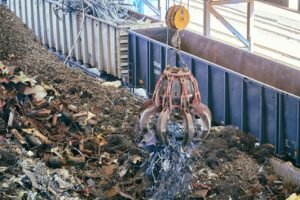
Many Melbourne businesses generate stainless steel scrap during manufacturing. Selling this material to a certified recycler is not only environmentally responsible but also profitable. The Stainless Steel Scrap Price is determined by market demand, material grade, and purity. For instance, 316 stainless scrap commands a higher price than 304 due to its molybdenum content.
To estimate the value of your scrap, use the Stainless Steel Scrap Calculator. This tool requires inputs like weight, grade, and current market rates to generate an accurate quote. For maximum profit, partner with recyclers who offer fast pickup and transparent pricing.
Current Market Trends for Stainless Steel in Australia
In 2024, steel price per tonne in Australia remains volatile due to global economic shifts. Factors like Chinese demand, nickel supply chain disruptions, and local manufacturing output influence pricing. 304 stainless typically ranges from $1,800 to $2,500 per tonne, while 316 stainless can exceed $3,000 per tonne. Local suppliers like ScrapTrade provide real-time market updates to help businesses navigate price fluctuations.
Additionally, the push for sustainability has increased the demand for recycled stainless steel. Ferrous and non-ferrous metal recyclers are investing in advanced sorting technologies to meet green manufacturing standards. This trend benefits both suppliers and buyers by reducing waste and lowering production costs.
Practical Tips for Buying Stainless Steel in Melbourne
Here are actionable steps to ensure you get the best value when purchasing stainless steel materials:
- Request Multiple Quotes: Compare local supplier prices to find competitive rates.
- Verify Grading Certifications: Ensure materials meet Australian Standards (AS 1554.1) for weldability and corrosion resistance.
- Optimize Inventory: Use just-in-time purchasing to minimize storage costs, especially for high-cost grades like 316 stainless.
- Recycle Scrap Responsibly: Partner with recyclers who provide documentation for tax deductions and sustainability reporting.
Why Choose a Local Stainless Steel Supplier?
Local suppliers offer distinct advantages over international distributors, including faster delivery, better communication, and tailored support. For example, Melbourne-based stainless steel supplier networks often provide same-day delivery for urgent projects and collaborate with Scrap Trade to streamline recycling logistics. Supporting local suppliers also reduces carbon footprints associated with long-distance transportation.
Moreover, local experts can advise on the best materials for specific applications. For instance, mild steel might be recommended for load-bearing structures due to its strength, while sheet metal is better suited for non-corrosive environments.
Future Outlook and Innovations in Stainless Steel Supply
Advancements in metallurgy are driving the development of high-performance alloys. Suppliers in Melbourne are increasingly offering stainless steel with enhanced properties, such as improved heat resistance and reduced environmental impact. Additionally, digital platforms are simplifying procurement through online ordering systems and automated pricing tools.
As Australia transitions to a circular economy, the integration of recycled stainless steel in construction and manufacturing will accelerate. Businesses that partner with forward-thinking stainless steel supplier Melbourne providers will position themselves for sustainability and cost-efficiency.
Related: 316 stainless steel seamless pipe
Frequently Asked Questions
What is the difference between 304 and 316 stainless steel?
304 stainless contains 18% chromium and 8% nickel, while 316 stainless adds 2% molybdenum for enhanced corrosion resistance. 316 is preferred for marine environments.
How can I estimate the value of stainless steel scrap?
Use the Stainless Steel Scrap Calculator to input weight, grade, and current market rates for an accurate estimate.
Where can I find certified stainless steel suppliers in Melbourne?
Compare local supplier profiles to verify ISO certifications, product ranges, and customer reviews.
Why is recycling stainless steel beneficial?
Recycling reduces raw material demand, lowers carbon emissions, and generates revenue through stainless steel scrap prices. It also supports sustainable manufacturing practices.