
When searching for stainless steel suppliers Brisbane, businesses and contractors need a clear understanding of the local market, product specifications, and value‑added services such as recycling and scrap valuation.
Overview of the Brisbane Stainless Steel Market
Brisbane’s ferrous metal sector is anchored by a network of distributors that source stainless steel from global mills and recycle domestic scrap. The city’s proximity to major ports enables competitive steel price per tonne levels, while local demand from construction, marine, and food‑processing industries drives a steady turnover of 304 stainless and 316 stainless grades. According to the Australian Steel Institute, Brisbane accounts for roughly 12% of the nation’s stainless steel consumption, making it a critical hub for both new material procurement and stainless steel scrap processing.
Key Stainless Steel Grades Supplied in Brisbane
The most frequently stocked grades are 304 stainless and 316 stainless. 304 stainless, known for its excellent corrosion resistance in most indoor environments, is the workhorse for sheet metal, kitchen equipment, and architectural trim. 316 stainless contains molybdenum, giving it superior resistance to chloride‑induced pitting, which makes it the preferred choice for marine applications, chemical processing, and medical devices. Suppliers also carry specialty alloys such as 310 and 321 for high‑temperature service, but the bulk of orders revolve around the 304 and 316 families.
How to Choose Reliable stainless steel suppliers Brisbane
Choosing the right partner goes beyond price. Consider the following criteria:
- Certification and compliance: Look for ISO 9001, AS/NZS 3678, and material test certificates that verify grade and dimensions.
- Inventory breadth: A supplier that stocks sheet metal, plate, bar, and coil reduces lead times for varied projects.
- Pricing transparency: Suppliers should quote a clear steel price per tonne and explain any surcharges for cutting, finishing, or delivery.
- Recycling program: Companies that accept stainless steel scrap and provide a Stainless Steel Scrap Price schedule help you recover value from off‑cuts.
- Customer support: Technical assistance for alloy selection, welding guidelines, and compliance with Australian standards is a strong differentiator.
For a concise list of vetted providers, see our curated directory of stainless steel brisbane suppliers. This resource is regularly updated to reflect changes in stock levels and service capabilities.
Pricing Factors and Steel Price per Tonne in Brisbane
Stainless steel pricing is influenced by global nickel, chromium, and molybdenum markets, freight costs, and local demand spikes. In Brisbane, the steel price per tonne for 304 stainless typically ranges between $2,800 and $3,200, while 316 stainless commands a premium of $3,200 to $3,800 per tonne. Seasonal construction booms can push prices up 5‑10% within weeks, so monitoring market trends is essential.
Our Stainless Steel Scrap Calculator Estimate Your Material Value tool lets you input weight and grade to gauge the resale value of scrap, which can offset new material costs.
Product Forms: Sheet Metal, Plate, Bar, and More
Brisbane suppliers typically offer the following forms:
- Sheet metal: Thickness from 0.5 mm to 6 mm, ideal for panels, ducts, and decorative applications.
- Plate: Heavy‑gauge material ranging from 6 mm to 200 mm, used in structural and marine projects. For a focused list, refer to our stainless steel plate suppliers page.
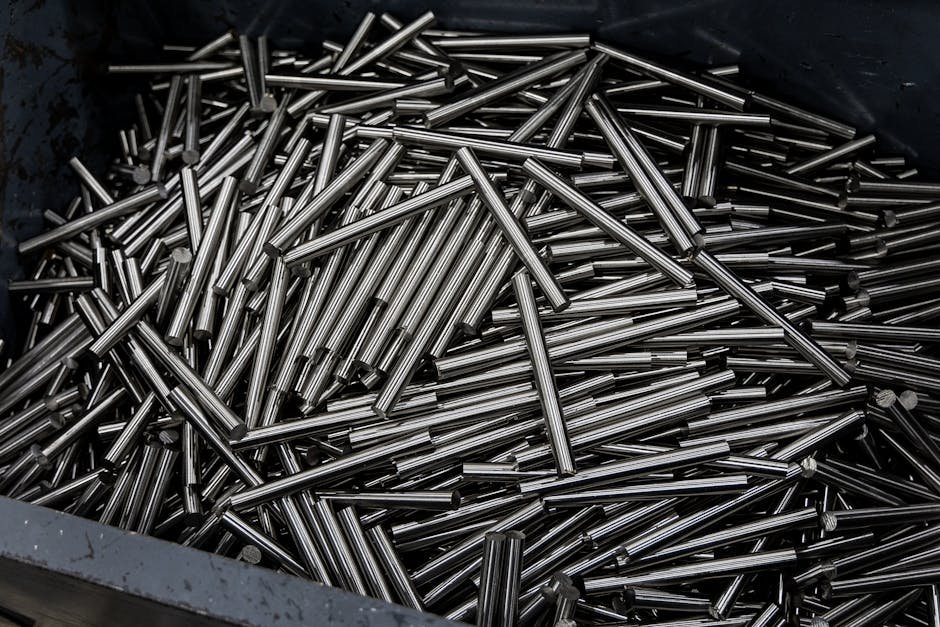
- Bar and rod: Round, square, and hexagonal sections for fabrication and tooling.
- Coil: Continuous lengths for automated feeding in manufacturing lines.
When ordering, specify the ASTM or AS/NZS standard, finish (e.g., 2B, BA, or mirror), and any required cutting tolerances. Many Brisbane distributors provide on‑site cutting services, which can reduce waste and simplify logistics.
Recycling and Scrap Management in Brisbane
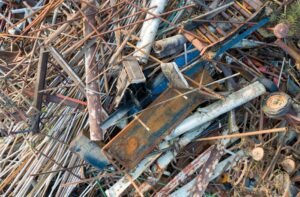
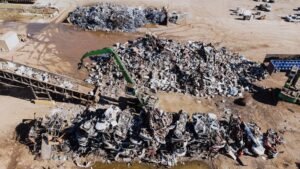
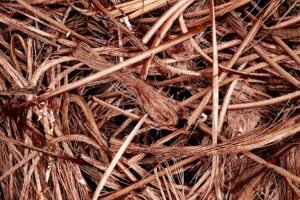
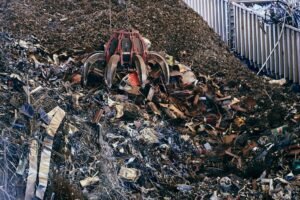
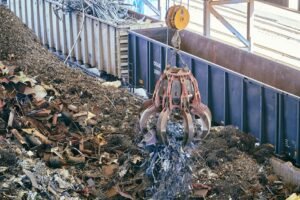
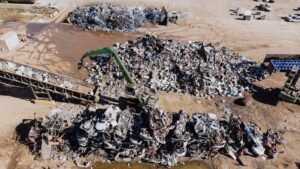
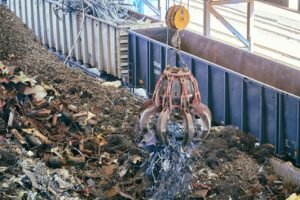
Stainless steel is 100% recyclable without loss of properties, making scrap management a lucrative side‑business for contractors. Brisbane’s recycling ecosystem includes dedicated facilities that melt down stainless steel scrap, re‑alloy it, and feed it back into the supply chain. By partnering with a supplier that offers a robust buy‑back program, you can turn off‑cuts into cash.
Read our detailed guide on Stainless Steel Recycling How To Sell Scrap For Maximum Profit to learn best practices for segregation, grading, and documentation.
To stay updated on daily market movements, visit Scrap Trade, which aggregates price feeds from major exchanges and local mills.
For broader Australian coverage, explore ScrapTrade Australia services, which include logistics, compliance assistance, and bulk pricing negotiations.
Practical Tips for Purchasing Stainless Steel in Brisbane
1. Request multiple quotes: Even within the same grade, price per tonne can vary by up to 8% due to inventory levels.
2. Leverage scrap offsets: Submit your stainless steel scrap weight to the Stainless Steel Scrap Price calculator before finalizing a purchase; many suppliers will credit the scrap value against your order.
3. Plan for lead time: Standard delivery for stocked sheet metal is 2‑3 business days, while custom‑cut plate may require 7‑10 days.
4. Verify certifications: Ask for mill test reports (MTR) to confirm chemical composition, especially for critical applications like food‑grade equipment.
5. Consider bulk contracts: Locking in a fixed price per tonne for a 12‑month period can protect against market volatility and provide budgeting certainty.
Environmental and Regulatory Considerations
Australia’s National Environment Protection Measure (NEPM) requires proper handling of ferrous metal waste to prevent soil contamination. Brisbane suppliers adhere to the Australian Steel Recycling Code, ensuring that scrap is processed in certified facilities. By sourcing from compliant distributors, you contribute to a circular economy and meet corporate sustainability targets.
When documenting scrap sales, retain the weight tickets and the Stainless Steel Scrap Calculator output as part of your ESG reporting.
Future Outlook for Stainless Steel in Brisbane
The next five years are expected to see growth in renewable‑energy infrastructure, such as solar‑panel frames and wind‑turbine components, both of which rely heavily on 304 and 316 stainless. Additionally, the expansion of Brisbane’s port facilities will improve import efficiencies, potentially stabilising the steel price per tonne. Suppliers that invest in digital ordering platforms and real‑time inventory visibility will likely dominate the market.
Staying informed through industry newsletters, attending the Australian Steel Conference, and regularly consulting price tools will ensure you remain competitive.
Frequently Asked Questions
What grades of stainless steel are most common in Brisbane?
The most common grades are 304 stainless, used for general‑purpose applications, and 316 stainless, preferred for marine and chemical environments due to its molybdenum content.
How is the steel price per tonne determined locally?
Local pricing reflects global alloy commodity costs, freight, demand spikes, and any processing fees. Suppliers quote a base price per tonne and add surcharges for cutting, finishing, or rapid delivery.
Can I sell my stainless steel scrap to the same supplier I buy from?
Yes, many Brisbane distributors run buy‑back programs. They evaluate your scrap grade and weight, then credit the equivalent value against future purchases or pay cash.
What factors affect delivery times for stainless steel plate in Brisbane?
Delivery depends on stock availability, plate thickness, required cutting tolerances, and logistics. Standard stocked plate arrives in 2‑3 days, while custom‑cut orders may need 7‑10 days.