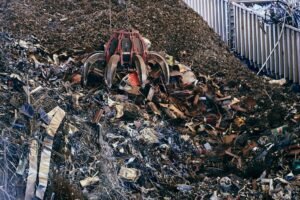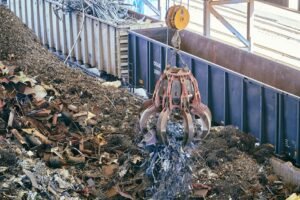

When it comes to steel recycling Ingleburn, businesses and residents alike play a crucial role in the circular economy of South Western Sydney. As an industrial hub, Ingleburn generates significant quantities of scrap steel, ranging from construction offcuts to end-of-life machinery. Understanding the nuances of the local market, the types of metals involved, and the logistics of processing is essential for anyone looking to maximize the value of their scrap while contributing to a greener future.
The Importance of Steel Recycling in the Local Economy
The industrial landscape of Ingleburn is heavily reliant on the efficient management of waste streams. By engaging in professional steel recycling Ingleburn, local enterprises can turn what would otherwise be a disposal cost into a revenue stream. Steel is infinitely recyclable, meaning it can be melted down and reformed without losing its structural integrity. This process is significantly more energy-efficient than producing virgin steel from iron ore, making it a cornerstone of sustainable industrial practices.
For those searching for Metal Recycling Near Me, the facility infrastructure in the Ingleburn area is world-class. It allows for the systematic separation of ferrous metals from non-ferrous materials, ensuring that high-quality scrap is diverted from landfills. This not only benefits the environment but also strengthens the local Recycling Community by creating jobs and fostering a culture of resource recovery. Whether you are managing a large-scale construction site or a small workshop, participating in these programs is a hallmark of responsible waste management.
Understanding Ferrous Metals: Mild Steel and Sheet Metal
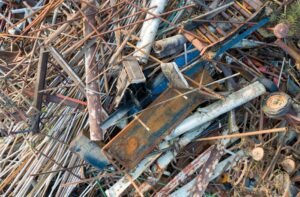
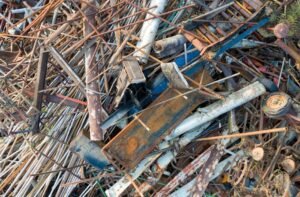
To succeed in the scrap trade, one must be able to differentiate between various grades of metal. Ferrous metals, which contain iron, are the most common materials found in the scrap industry. Mild steel is the most widely used form of steel, prized for its versatility and cost-effectiveness. In Ingleburn, you will frequently encounter mild steel in the form of beams, plates, and industrial equipment components.
Another common material is sheet metal, which is used extensively in HVAC ducting, automotive panels, and roofing. Because sheet metal is lightweight and easy to process, it is a staple of high-volume scrap collections. When preparing these materials for recycling, it is important to remove any non-metallic attachments, such as plastic coatings or rubber seals, as these can downgrade the quality of the load. For those dealing with larger components, specialized services like structural steel recycling ingleburn provide the heavy-duty equipment necessary to handle massive beams and girders safely.
How to Calculate Your Scrap Steel Price Per Tonne
The steel price per tonne is a dynamic figure, influenced by global commodity markets, supply chain logistics, and local demand. In Ingleburn, prices can fluctuate based on the purity of the scrap and the volume being sold. To get the best return, it is vital to keep your scrap clean and sorted. Mixed loads, often referred to as “dirty scrap,” will fetch a lower price because they require additional labor to process and separate.
If you are looking for a reliable partner, the scrap metal trading platform provides up-to-date insights into current market trends. By monitoring these fluctuations, you can time your sales to coincide with peak market demand. Remember that volume is key; collecting a significant quantity of scrap steel before heading to the yard can often lead to better pricing tiers. For those looking for local drop-off points, searching for Scrap Metal Recycling Near Me will highlight facilities that offer competitive rates and efficient weighing services.
Logistics and Safety in Industrial Scrap Handling
Safety is the paramount concern when dealing with heavy industrial scrap. In the context of steel recycling Ingleburn, this means utilizing proper personal protective equipment (PPE), such as gloves, steel-toed boots, and high-visibility vests. When transporting large items, ensure that your load is secured according to Australian transport regulations to prevent accidents on the road.
Furthermore, many professional yards in the area offer bin services or collection logistics. If your business generates a steady stream of scrap, it is often more efficient to have a dedicated skip bin on-site. This keeps your workspace clean and minimizes the risk of accidents caused by loose metal cluttering the floor. For specific inquiries regarding industrial-scale pickups, you can consult the scrap metal industry portal to find certified collectors who operate in the Macarthur region.
The Environmental Impact of Localized Recycling
Recycling steel isn’t just about money; it is about preservation. Every tonne of steel recycled saves approximately 1.5 tonnes of iron ore, 0.5 tonnes of coal, and 40% of the water required for virgin steel production. By keeping these materials within the local loop, Ingleburn businesses are directly contributing to a reduction in carbon emissions associated with the extraction and transportation of raw materials.
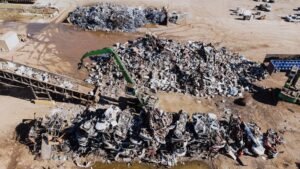
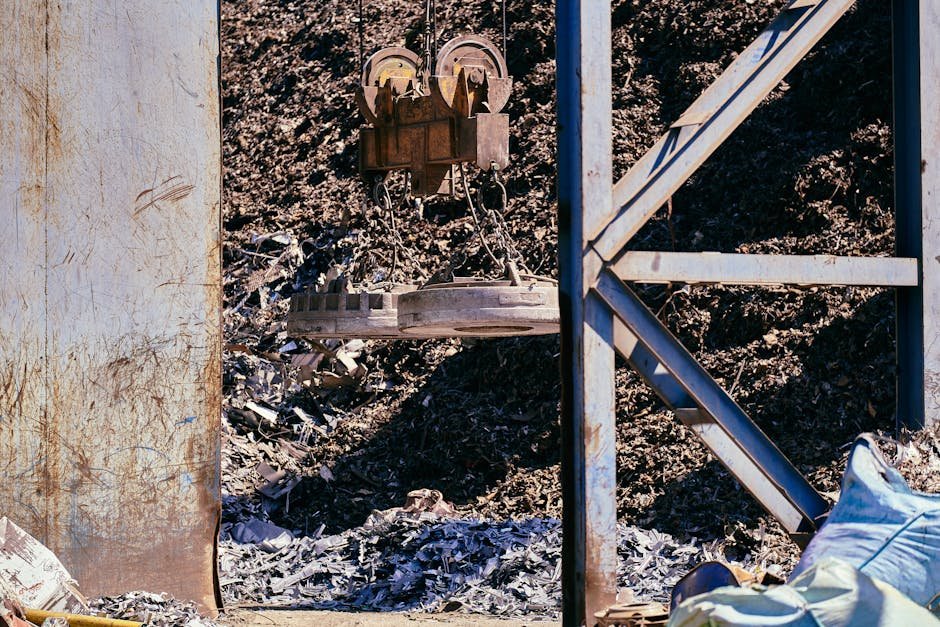
Moreover, the efficiency of metal recycling ingleburn facilities ensures that even the smallest fragments are captured. Magnetic separation technology allows yards to pull even tiny ferrous particles from mixed waste streams. This high level of precision means that almost nothing goes to waste, proving that the local industry is at the cutting edge of environmental stewardship.
Best Practices for Preparing Your Scrap
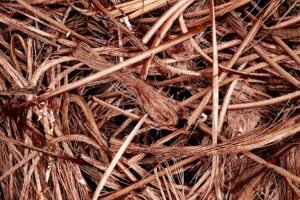
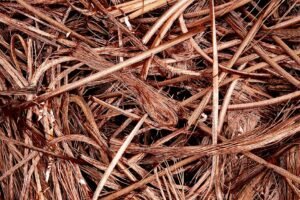
To maximize your return, preparation is everything. Start by segregating your metals. Keep your ferrous scrap separate from your non-ferrous metals like copper, aluminum, and brass. Even within the ferrous category, separating mild steel from high-grade alloys can significantly increase your payout. Removing hazardous materials, such as gas cylinders or sealed containers, is also a legal requirement and a safety necessity.
If you are dealing with painted or coated steel, be aware that some yards may deduct weight for the coating. Clean, rust-free, and uncoated steel is always the most desirable. By taking the time to present your scrap in a “yard-ready” state, you build a reputation as a professional supplier, which can lead to long-term partnerships with local scrap buyers and better service overall.
Future Trends in the Australian Scrap Industry
The future of the scrap industry in Australia is increasingly digital. Platforms that connect buyers and sellers in real-time are changing how scrap is valued and traded. We are seeing a shift toward more transparent pricing and improved traceability, which helps ensure that recycled materials are entering the supply chain ethically. As Ingleburn continues to grow, the integration of smart logistics and AI-driven sorting will further streamline the recycling process, making it faster and more profitable for everyone involved.
Staying informed about these changes is essential for any business operating in this sector. By keeping an eye on industry reports and participating in local trade events, you can ensure that your recycling operations are not only compliant with current regulations but also optimized for future profitability. The transition to a circular economy is well underway, and Ingleburn is positioned to be a leader in this critical industrial evolution.
Conclusion: Why Ingleburn is a Key Recycling Hub
Ingleburn’s unique combination of industrial capacity and strategic location makes it an ideal environment for high-volume steel recycling. From the smallest workshop to the largest construction site, every participant in the steel recycling Ingleburn ecosystem contributes to a more sustainable and economically robust future. By focusing on proper sorting, safety, and staying informed about market prices, you can maximize your financial returns while supporting a vital local industry. Whether you are searching for Scrap Metal Recycling Near Me or looking for professional advice on managing your industrial waste, the resources available in the Ingleburn area are designed to help you succeed. Embrace these practices today to ensure your business remains competitive, compliant, and environmentally responsible.
Frequently Asked Questions
What is the difference between ferrous and non-ferrous scrap?
Ferrous metals, such as steel and iron, contain iron and are magnetic. Non-ferrous metals, like copper, aluminum, and brass, do not contain iron and are generally more valuable per kilogram.
How can I get the best steel price per tonne in Ingleburn?
To get the best price, ensure your scrap is clean, free of non-metallic contaminants, and sorted by grade. Selling in larger volumes and monitoring market trends through reputable platforms will also help you maximize your returns.
Are there specific regulations for recycling structural steel?
Yes, structural steel often requires specialized handling due to its size and weight. It must be cut to manageable lengths and cleared of concrete or hazardous coatings before it can be accepted at most recycling yards.
Why is it important to remove coatings from sheet metal?
Removing paint, plastic, or rubber coatings ensures a higher purity of the steel. Most recycling facilities will deduct weight for these contaminants, so cleaning your metal beforehand results in a higher net payment.