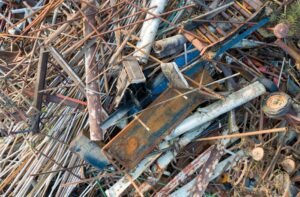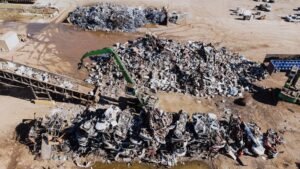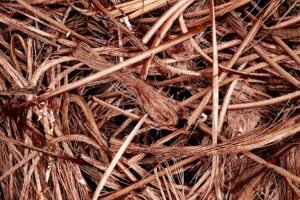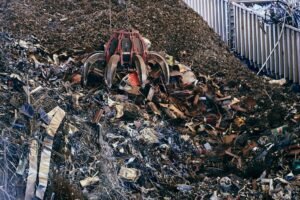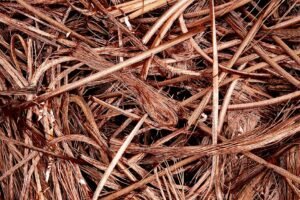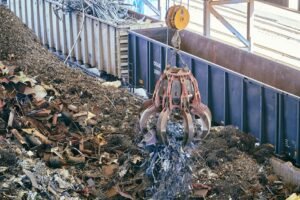

Steel scrap dealers are critical players in Australia’s circular economy, bridging the gap between waste and resource recovery. These professionals specialize in collecting, sorting, and selling scrap metals, with a focus on ferrous metals like mild steel and non-ferrous metals such as stainless steel. Understanding their role involves exploring the grades of scrap they handle, the recycling processes they employ, and the environmental benefits they facilitate. Whether you’re an industrial buyer or a homeowner with metal waste, partnering with certified steel scrap dealers ensures efficient resource management and compliance with industry standards. This guide delves into the intricacies of the steel scrap market, from pricing dynamics to sustainability practices, offering valuable insights for businesses and individuals alike.
Understanding Steel Scrap Grades
The first step in working with steel scrap dealers is understanding the grades of scrap they handle. Ferrous scrap, which includes materials like mild steel, sheet metal, and structural steel, is categorized based on purity, size, and contamination levels. The most common grades include:
- 1 Prepared: Clean, sorted scrap with minimal impurities, ideal for high-value recycling. Learn more about grading standards here.
- 2 Prepared: Mixed ferrous scrap with some rust or paint, suitable for electric arc furnaces.
- Shredded scrap: Processed metal broken down into smaller pieces for easier melting.
- Stainless steel scrap: High-grade, corrosion-resistant metal with separate pricing. Check current prices here.
The grade of scrap directly impacts its scrap value of steel per kg, with cleaner materials commanding higher prices. Steel scrap dealers use advanced sorting techniques, including magnetic separation and optical scanners, to ensure accurate grading and maximize profitability for both suppliers and buyers.
The Steel Recycling Process
Steel recycling is a multi-stage process that begins with collection and ends with the production of new steel products. Here’s a step-by-step breakdown:
- Collection: Steel scrap is gathered from industrial facilities, demolition sites, and households.
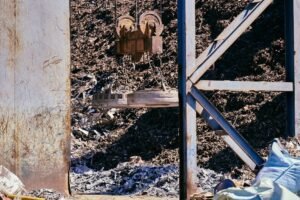
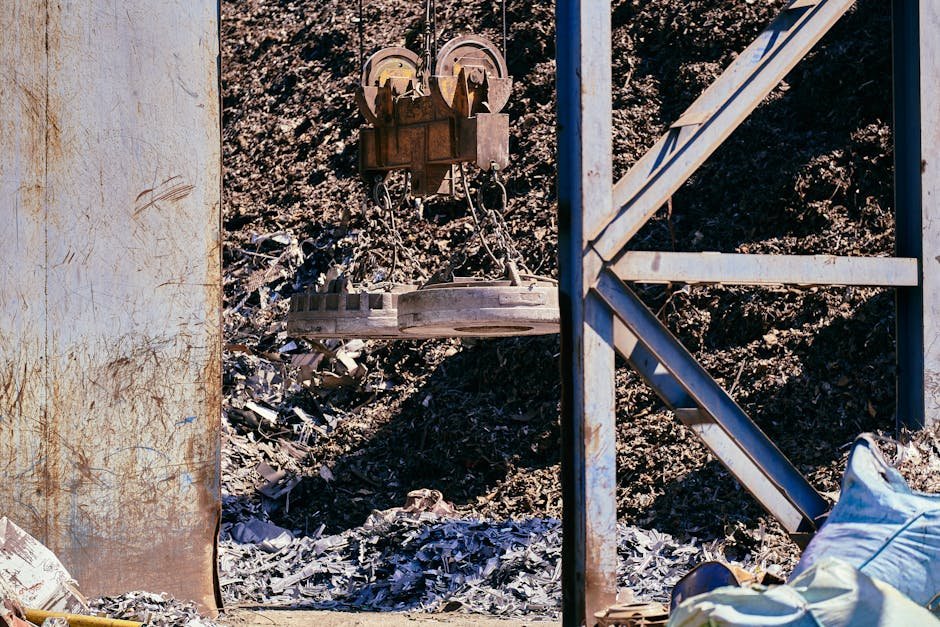
- Sorting: Steel scrap dealers use magnets to separate ferrous metals from non-ferrous materials like copper and aluminum.
- Processing: Scrap is cut, shredded, or compressed into bales for transport. Learn more about processing methods.
- Smelting: Recycled steel is melted in blast furnaces or electric arc furnaces to create molten metal.
- Reforming: The molten metal is cast into new products such as rebar, beams, or automotive parts.
This process consumes 60% less energy than producing steel from raw iron ore. By partnering with steel scrap dealers, businesses can ensure their waste is recycled efficiently, reducing landfill use and conserving natural resources.
Environmental Benefits of Steel Recycling
Recycling steel is one of the most sustainable practices in the manufacturing sector. Key environmental benefits include:
- Reduced carbon emissions: Recycling steel cuts CO₂ emissions by up to 60% compared to primary production.
- Energy savings: Producing recycled steel requires 74% less energy than new steel, lowering overall carbon footprints.
- Landfill reduction: Diverting 1 tonne of steel scrap from landfills saves 1.4 cubic meters of landfill space.
- Resource conservation: Recycling reduces the need for iron ore mining, preserving ecosystems and biodiversity.
In Australia, stringent environmental regulations ensure steel scrap dealers adhere to sustainable practices. By prioritizing recycling, these dealers help industries meet carbon neutrality goals while maintaining product quality.
How to Choose a Reliable Steel Scrap Dealer
Choosing the right steel scrap dealer is crucial for maximizing value and ensuring compliance. Consider the following factors:
- Reputation: Research dealers with positive reviews and industry certifications. Platforms like Scrap Trade offer verified listings.
- Pricing: Compare steel price per tonne quotes, but prioritize transparency over the lowest rate.
- Facility location: Opt for dealers near your location to reduce transportation costs.
- Equipment: Verify that dealers use modern sorting tools, such as X-ray fluorescence analyzers, for accurate grading.
- Legal compliance: Confirm the dealer has licenses for waste management and environmental operations.
For urgent needs, use local directories like iron scrap dealers near me to find nearby options quickly.
The Economic Impact of Steel Scrap Trading
The steel scrap industry is a cornerstone of Australia’s economy, contributing billions annually. Key economic benefits include:
- Job creation: Over 15,000 direct and indirect jobs are supported by the scrap metal sector.
- Export revenue: Australia exports 80% of its steel scrap, primarily to India, China, and South Korea.
- Cost savings: Businesses save up to 30% on raw material costs by using recycled steel.
Steel scrap dealers also play a role in stabilizing steel prices. When demand for recycled scrap increases, it reduces reliance on volatile raw material markets. For real-time pricing updates, visit Scrap Trade to track scrap value of steel per kg fluctuations.
Future Trends in Steel Recycling
Innovation is reshaping the steel recycling landscape. Emerging trends include:
- Automation: AI-powered sorting machines improve grading accuracy and processing speed.
- Hydrogen-based steelmaking: Reducing reliance on coal in steel production, further cutting emissions.
- Blockchain traceability: Enhanced transparency in supply chains to verify sustainable practices.
- Urban mining: Extracting valuable metals from construction and demolition waste to supplement traditional sources.
Steel scrap dealers who adopt these technologies will remain competitive while advancing environmental goals. Staying informed about these trends ensures businesses and consumers can make impactful, future-ready choices.
Conclusion
Steel scrap dealers are essential to Australia’s sustainable future, transforming discarded materials into valuable resources. By understanding scrap grades, recycling processes, and environmental benefits, stakeholders can optimize their involvement in this industry. Whether you’re looking to sell scrap, purchase recycled steel, or support green initiatives, partnering with reputable dealers ensures a circular economy that benefits both the planet and the economy. For actionable insights, explore Scrap Trade to connect with trusted traders and stay updated on market dynamics.
Related: scrap value of steel per kg
Frequently Asked Questions
What are the main grades of steel scrap?
The primary grades include 1 Prepared (clean scrap), 2 Prepared (mixed scrap), shredded scrap, and stainless steel. Each category affects pricing and recyclability.
How is steel scrap recycled?
Steel scrap is collected, sorted, processed into uniform pieces, melted in furnaces, and recast into new products. Learn more about the process.
What are the environmental benefits of recycling steel?
Recycling reduces CO₂ emissions by 60%, saves 74% energy, and prevents landfill waste. It also conserves natural resources like iron ore.
How much is steel scrap worth?
The scrap value of steel per kg varies based on grade and market demand. Check current prices here for real-time updates.