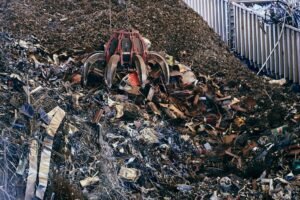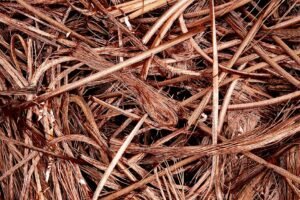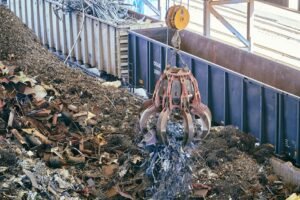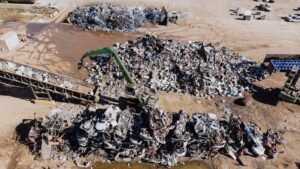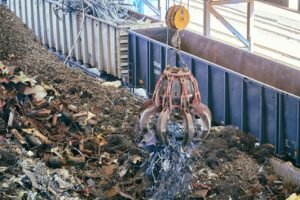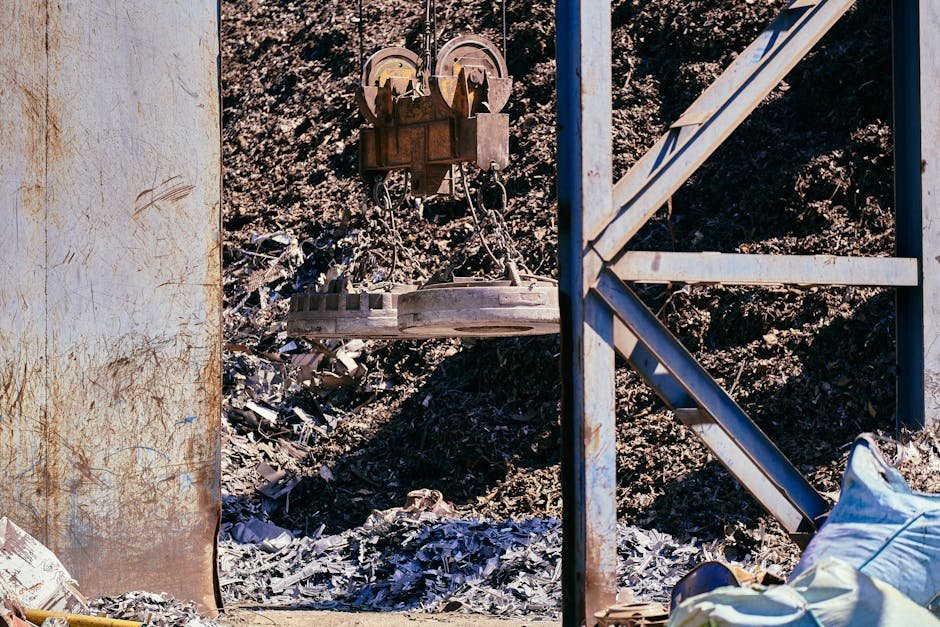

Steel scrap metal prices in Australia are influenced by a complex interplay of global markets, local demand, and recycling infrastructure. Whether you’re a trader, manufacturer, or household seller, understanding these dynamics is critical to maximizing value. This guide breaks down current scrap metal prices, pricing mechanisms, and environmental implications of recycling.
Understanding Steel Scrap Metal Prices
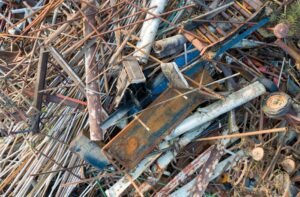
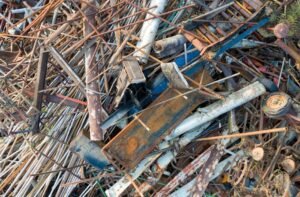
Steel scrap is a ferrous metal, meaning it contains iron. Its price reflects its potential to be reprocessed into new products through recycling. Scrap steel is categorized into grades based on purity, size, and composition. Mild steel, sheet metal, and machinery parts each carry distinct values. Prices are quoted per kilogram or per tonne, with fluctuations driven by global steel demand, raw material costs, and transportation logistics.
How Steel Scrap Prices Are Determined
Steel scrap metal prices are set through a combination of global and local factors:
- Global Steel Demand: China and India dominate global demand, with construction and manufacturing sectors heavily influencing prices.
- Raw Material Costs: Iron ore and coking coal prices directly impact steel production costs, which ripple into scrap values.
- Supply Chain Dynamics: Local availability of scrap from demolition, manufacturing waste, and automotive recycling affects pricing.
- Exchange Rates: The Australian dollar’s strength against USD/GBP influences import/export competitiveness.
For real-time data, check Current Scrap Metal Prices to stay ahead of market shifts.
Current Market Rates for Steel Scrap in Australia
In 2024, steel scrap metal prices range from $0.10 to $0.35 per kg, depending on grade and location. For example:
- Heavy Melting Steel (HMS): $0.25/kg
- Sheet Metal: $0.20-0.28/kg
- Machine Scraps: $0.15-0.22/kg
These rates align with current scrap steel prices globally, which are influenced by the U.S. and European markets. For localized rates, use Scrap Metal Prices Near Me to find real-time updates.
Grades of Steel Scrap and Their Value
Steel scrap is categorized into grades, each with distinct recycling potential and market value:
1. Heavy Melting Steel (HMS)
The most valuable grade, HMS includes large pieces like structural steel and beams. Its high iron content and low contaminants make it ideal for electric arc furnaces.
2. Sheet Metal
Thin, clean sheets from automotive or construction industries command higher prices than mixed grades. Mild steel sheets are particularly sought after.
3. Machine Scraps
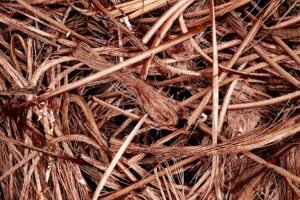
Includes machinery parts and tools. While valuable, embedded non-ferrous metals (e.g., copper) can complicate recycling and lower the base price.
4. Construction Debris
Rebars, pipes, and demolition waste require sorting to remove contaminants like concrete. This lowers their market value compared to pure grades.
The Steel Recycling Process
Steel recycling involves five key stages:
- Collection: Scrap is gathered from industrial waste, demolition sites, or curbside pickups.
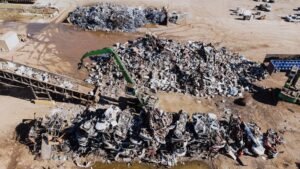
- Sorting and Shredding: Gradiers separate ferrous metals using magnets. Shredders reduce size for easier processing.
- Melting: In electric arc furnaces, scrap is melted at 1,600°C and refined to remove impurities.
- Rolling: Molten steel is formed into sheets, bars, or beams for new products.
- Distribution: Recycled steel is sent to manufacturers for use in vehicles, appliances, or infrastructure.
Clean, sorted scrap steel yields higher returns. For detailed recycling steps, visit steel scrap metal recycling prices.
Environmental Benefits of Steel Recycling
Recycling steel reduces environmental impact significantly:
- Energy Savings: Producing steel from scrap uses 58% less energy compared to virgin steelmaking.
- Lower Emissions: Recycling cuts CO₂ emissions by 60% compared to traditional methods.
- Resource Conservation: Every tonne of recycled steel saves 1.1 tonnes of iron ore, 0.5 tonnes of coal, and 40% of limestone.
In Australia, steel scrap metal recycling supports circular economy goals, reducing landfill dependency and conserving natural resources.
Practical Tips for Maximizing Steel Scrap Value
Follow these strategies to optimize returns:
- Sort and Clean: Remove non-ferrous metals, oils, and contaminants to qualify for higher-grade pricing.
- Check Local Markets: Use Scrap Metal Prices to compare prices between states like NSW, QLD, and Victoria.
- Timing Matters: Sell during high-demand periods (e.g., construction booms) or when global steel prices rise.
- Partner with Reputable Buyers: Choose certified recyclers who offer transparent pricing and eco-friendly practices.
For instant insights, explore Current Scrap Metal Prices to track fluctuations.
Conclusion
Steel scrap metal prices are a vital metric for businesses and individuals involved in Australia’s recycling ecosystem. By understanding grading systems, market drivers, and recycling benefits, you can make informed decisions that maximize profitability and sustainability. Regularly monitor ScrapTrade for updates and leverage ScrapTrade Australia for local market insights. Whether you’re selling sheet metal or bulk machine scraps, staying informed ensures you get the best value for your materials.
Frequently Asked Questions
What is the current price of steel scrap per kg in Australia?
As of 2024, steel scrap metal prices range from $0.10 to $0.35 per kg, depending on grade and location. Check Current Scrap Metal Prices for real-time updates.
How are steel scrap prices determined?
Steel scrap metal prices are influenced by global steel demand, raw material costs, transportation fees, and local supply. Grades like HMS (Heavy Melting Steel) command higher rates due to purity and usability.
Why do steel scrap prices fluctuate?
Prices vary due to changes in iron ore costs, exchange rates, construction activity, and international trade policies. Current scrap steel prices reflect these dynamic market conditions.
How can I find local steel scrap prices?
Use Scrap Metal Prices Near Me to access location-specific steel scrap metal prices and compare offers from certified recyclers.