Understanding the current steel scrap price is essential for anyone looking to optimize their returns in the Australian recycling market. Whether you are a construction contractor, a demolition professional, or an individual clearing out a workshop, the value of your scrap steel is dictated by a complex interplay of global economic forces, supply chain logistics, and the specific metallurgical properties of the material you are selling.
Understanding the Global Steel Scrap Price Market
The steel scrap price is not a static figure. It functions as a global commodity, heavily influenced by the manufacturing output of major economies like China, India, and the United States. In Australia, the market is particularly sensitive to export demand, as much of our processed scrap is shipped to overseas mills. When global demand for new steel rises, the demand for recycled feedstock—which is cheaper and more energy-efficient to process than virgin iron ore—also increases, driving prices upward.
For sellers, it is vital to distinguish between the market value of raw scrap and the final payout. Factors such as transportation costs, processing requirements, and the volume of material play a significant role in the final offer. To get the most accurate data, many professionals rely on our professional metal recycling services to stay updated on daily fluctuations. If you are looking for specific regional insights, such as if you are searching for scrap steel kingswood, local yard demand will also influence your local rate.
Factors Influencing Metal Prices Today
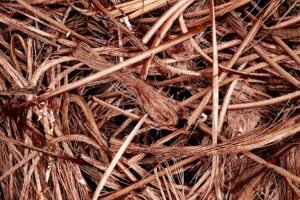
Several key variables determine the price per kg you will receive at the weighbridge. The primary factor is the grade of the metal. High-quality, clean steel fetches a premium, while contaminated material (e.g., steel attached to plastic, rubber, or concrete) requires labor-intensive processing, which lowers the value. Another major driver is the current steel scrap price index, which tracks the cost of ferrous metal globally. When you compare this to the price of scrap copper, you will notice that steel is generally more volatile due to the sheer volume of material traded.
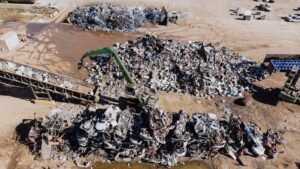
Logistics also play a major role. Because steel is heavy and bulky, the cost of transporting it from the point of origin to the recycling facility is a significant line item. If you have a large volume of material, you are in a stronger position to negotiate a better price per tonne. Conversely, small, mixed loads may attract lower rates due to the handling costs involved. For a deep dive into how to prepare your loads for maximum profit, check out our resource on Scrap Steel Price Per Kg A Complete Guide For Sellers.
Ferrous Metal Grades and Classification
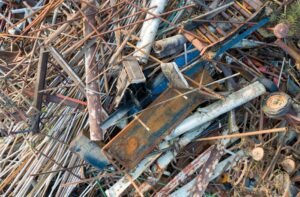
In the recycling industry, steel is categorized as a ferrous metal. Unlike non-ferrous metals, which are valued for their high conductivity and resistance to corrosion, steel is valued for its structural integrity and recyclability. The most common grade encountered is mild steel, which is found in everything from structural beams to household appliances. Sheet metal, another common form, is often lighter and easier to process, though it may be subject to different pricing tiers depending on its thickness and coating.
It is important to note that not all steel is the same. For instance, alloyed steels that contain nickel or chromium will be classified differently and might be processed through alternative streams. If you are dealing with higher-value alloys, it is worth checking the Stainless Steel Scrap Price, as these materials command significantly higher rates than standard carbon steel. Understanding these classifications is the first step toward professional metal management. Furthermore, if you are planning your future sales strategy, you might want to look ahead at the Aluminum Scrap Price In 2026 to see how other market segments are projected to perform.
How Steel Recycling Works: From Collection to Mill
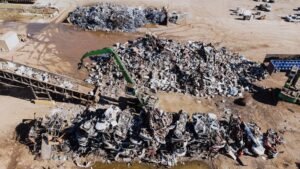
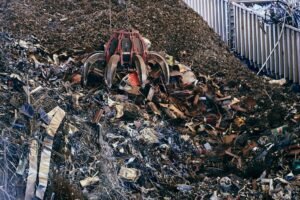
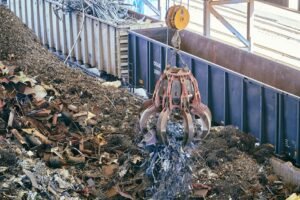
The recycling process is a marvel of industrial efficiency. Once scrap steel reaches a facility like those found on our platform, it undergoes a rigorous sorting process. Automated magnets are used to separate ferrous metals from non-ferrous contaminants. Once cleaned, the steel is often shredded into smaller, uniform pieces to make it easier to melt. These shreds are then densified and shipped to electric arc furnaces (EAFs).
The EAF process is the cornerstone of modern steel recycling. It uses high-power electric arcs to melt the scrap, allowing the material to be reformed into new products. This process is vastly more energy-efficient than the blast furnace method used to create virgin steel from iron ore. By recycling steel, we significantly reduce the carbon footprint of the manufacturing sector, as it requires substantially less energy and produces fewer greenhouse gas emissions compared to traditional mining and refining.
Environmental Benefits and Sustainability
The environmental impact of steel recycling cannot be overstated. Steel is arguably the most recycled material on the planet because it can be re-melted infinitely without losing its inherent properties. By participating in the circular economy, businesses and individuals contribute to the conservation of natural resources. Every tonne of recycled steel saves over a tonne of iron ore, 600kg of coal, and 50kg of limestone.
Furthermore, recycling reduces the need for landfills. Steel that is left to rust in scrap heaps can leach chemicals into the soil and groundwater. By ensuring that your scrap is processed through a certified recycling facility, you are not only capturing the value of the steel scrap price but also contributing to a cleaner, more sustainable future for Australia. This commitment to the environment is why the scrap metal industry is a critical component of the national infrastructure.
Practical Tips for Maximizing Your Scrap Returns
To maximize your return, preparation is key. First, sort your metals. Keep your ferrous metals separate from your non-ferrous metals. Even within the ferrous category, separating heavy structural steel from light sheet metal can sometimes yield better results depending on the buyer’s current needs. Second, clean your scrap. Remove any non-metallic attachments like plastic handles, rubber seals, or wooden components. Clean material is always worth more because it is cheaper for the recycler to process.
Third, monitor the market. Metal prices today change frequently. By keeping an eye on the trends, you can choose the right time to sell. If you have a large demolition project, talk to your scrap dealer in advance. They can often provide bins or logistical support, which can streamline your workflow and ensure you get the best possible price per kg for your volume. Finally, maintain good relationships with your local yards. Reliability and consistent supply are valued by recyclers, and they are often willing to offer better terms to repeat customers who bring in clean, well-sorted material.
Future Trends in the Australian Scrap Industry
The Australian scrap metal industry is evolving rapidly. Technological advancements in sensor-based sorting are allowing recyclers to identify and separate metal grades with unprecedented precision. This means that in the future, we can expect even more efficient recycling cycles. Additionally, as the global push for decarbonization intensifies, the demand for recycled steel—which has a much lower carbon intensity than virgin steel—is expected to grow. This shift will likely place upward pressure on the long-term value of scrap steel, making it an even more valuable asset for those who collect and trade it.
Furthermore, government initiatives aimed at promoting the circular economy are likely to incentivize recycling further. As regulations tighten around waste management and carbon emissions, the role of scrap metal traders will become increasingly central to the industrial supply chain. Staying informed about these regulatory changes and market shifts will be crucial for anyone involved in the trade, ensuring that you are always positioned to capitalize on the best available rates.
Conclusion: Navigating the Steel Scrap Market
Mastering the steel scrap market requires a combination of logistical planning, market awareness, and a clear understanding of material grades. While the steel scrap price may seem complex, it is ultimately driven by fundamental economic principles of supply and demand. By sorting your materials, understanding the difference between ferrous and non-ferrous scrap, and staying connected with reliable recycling partners, you can ensure that you are getting the maximum value for your scrap metal. Remember, every piece of steel you recycle is a step toward a more efficient and environmentally friendly industry. Start by assessing your current inventory, separating your grades, and reaching out to a professional recycler to get the most out of your metal assets today.
Frequently Asked Questions
What is the difference between ferrous and non-ferrous metal?
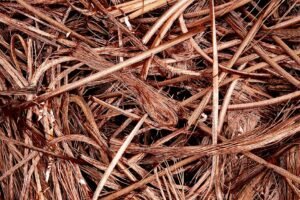
Ferrous metals contain iron, such as mild steel and iron, and are generally magnetic. Non-ferrous metals, like copper, aluminum, and brass, do not contain iron and are typically more valuable due to their specific properties.
How often do scrap metal prices change?
Scrap metal prices can fluctuate daily or weekly based on global commodity markets, shipping costs, and local supply and demand. It is best to check current rates with your local yard before selling.
Does the condition of the scrap affect the price?
Yes, significantly. Clean, sorted scrap that is free of contaminants like plastic, wood, or dirt is worth more because it requires less processing time and labor at the recycling facility.
Why is steel the most recycled material?
Steel is infinitely recyclable without losing its strength or properties, making it highly efficient to reuse. Its widespread use in construction and manufacturing ensures a constant supply for the recycling industry.