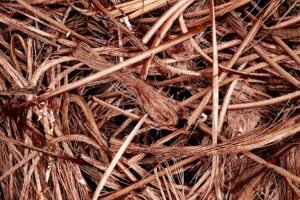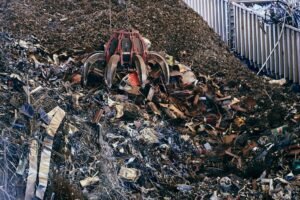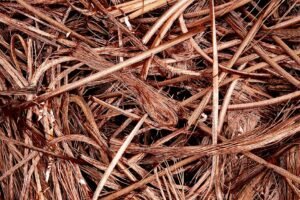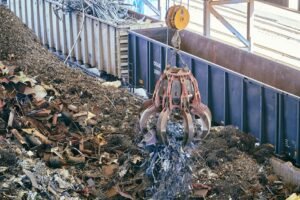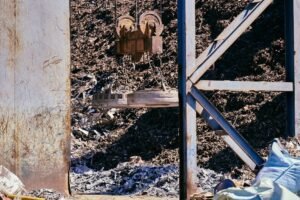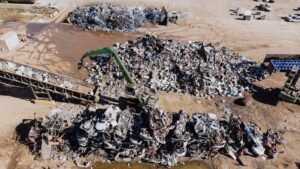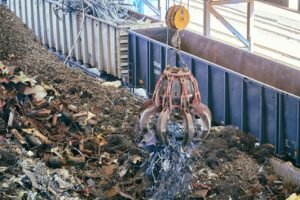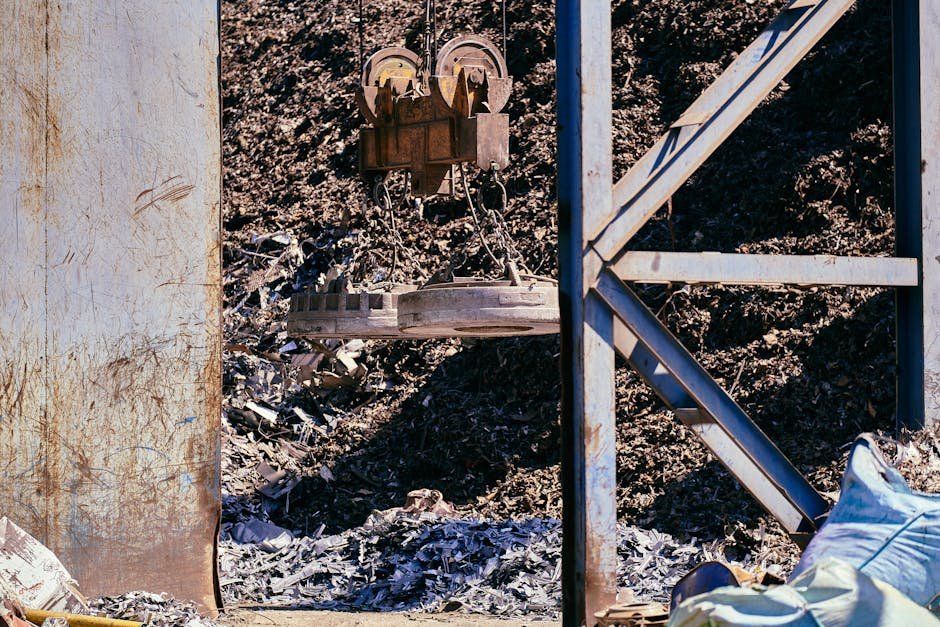

Steel scrap prices in Australia are a critical indicator for traders, recyclers, and industries reliant on ferrous metals. As of 2024, the market is shaped by global supply chains, domestic demand, and the classification of scrap steel grades. Understanding these dynamics helps stakeholders make informed decisions. This guide dives deep into pricing mechanisms, recycling processes, and the environmental impact of steel scrap trade.
Overview of the Australian Steel Scrap Market
The Australian steel scrap market is a vital component of the circular economy, with over 90% of steel being recyclable. Key regions like Queensland, New South Wales, and Victoria dominate production and recycling due to their industrial activity. Steel scrap prices are primarily dictated by the demand from steel manufacturers, who use recycled ferrous materials as a cost-effective alternative to virgin iron ore. Prices fluctuate based on global steel price per tonne, freight costs, and local grading systems.
Factors Influencing Steel Scrap Prices
Several forces drive steel scrap prices in Australia:
- Global Steel Markets: China and India’s demand for recycled steel significantly impacts Australian exports.
- Domestic Demand: Construction and manufacturing sectors consume 70% of processed scrap steel.
- Grading and Purity: Mild steel and sheet metal typically yield higher returns than mixed ferrous scrap.
- Transportation Costs: Regional price disparities exist due to shipping and handling expenses.
For real-time data, traders should frequently check metal prices today and adjust strategies accordingly.
Grades of Steel Scrap and Their Market Value
Steel scrap is categorized into grades based on composition and usability:
- 1A Shredded: Clean, non-ferrous mixed metals; fetches the highest price per kg.
- 2A Pick & Clip: Heavy equipment parts with minimal contamination.
- 3A Bundled Sheet: Automotive and appliance-grade sheet metal, popular in foundries.
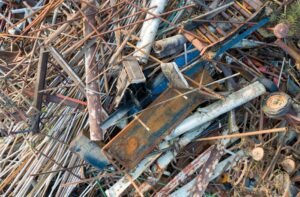
- 4A Mixed Ferrous: Lower-value scrap with high impurities.
Local scrapyards often pay scrap steel prices based on these classifications. For example, 1A shredded may command $350–$400/tonne, while 4A mixed ferrous might yield $150–$200/tonne.
How Steel Recycling Works in Australia
Recycling steel scrap involves four stages:
- Collection: Industrial waste and end-of-life vehicles are gathered by licensed recyclers.
- Sorting: Advanced Eddy current separators and optical sensors isolate ferrous from non-ferrous metals.
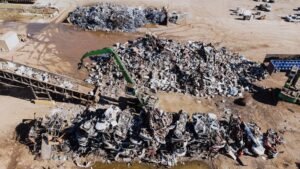
- Processing: Shredding and baling prepare scrap for transportation.
- Re-melting: Electric arc furnaces transform scrap into new steel products.
This closed-loop system reduces energy consumption by 74% compared to traditional steelmaking, according to the Australian Steel Recycling Institute.
Environmental Benefits of Steel Scrap Recycling
Recycling steel scrap conserves natural resources and reduces environmental degradation:
- Energy Savings: Recycling uses 60% less energy than producing steel from iron ore.
- Carbon Emissions: Prevents 1.5 tons of CO2 emissions per tonne of recycled steel.
- Landfill Reduction: Diverts 10 million tonnes of scrap from landfills annually in Australia.
By prioritizing scrap metal prices near me, businesses can align with sustainability goals while maximizing profits.
Practical Tips for Monitoring Steel Scrap Prices
To stay competitive in the scrap trade:
- Subscribe to daily Scrap Prices alerts via platforms like ScrapTrade.
- Compare scrap steel prices qld with other regions to identify arbitrage opportunities.
- Invest in grading tools to maximize returns from high-value scrap like sheet metal.
- Build relationships with local scrapyards to secure premium pricing for clean ferrous materials.
Leverage online marketplaces to sell or buy scrap at scrap.trade for seamless transactions.
Current Market Trends in 2024
2024 has seen steel scrap prices rise due to supply chain disruptions and increased green steel initiatives. The Australian Renewable Energy Agency (ARENA) projects a 20% growth in recycled steel demand by 2026. However, fluctuations in the US dollar and iron ore prices create volatility. Traders should monitor these trends using tools like Scrap Metal Prices for strategic planning.
Future Outlook for Steel Scrap Recycling
Experts predict the Australian steel recycling sector will grow at 5% annually, driven by circular economy policies and infrastructure projects. Innovations in hydrogen-based steelmaking and AI-driven sorting technologies will further boost efficiency. Staying informed about scrap steel prices and adapting to technological shifts will be key for long-term success.
Conclusion
Understanding steel scrap prices requires a blend of market awareness, technical knowledge, and sustainability focus. By leveraging online price tracking, mastering grading systems, and embracing eco-friendly practices, businesses can thrive in this dynamic industry. Use the insights in this guide to optimize your scrap trading operations and contribute to Australia’s circular economy.
Frequently Asked Questions
How are steel scrap prices determined in Australia?
Steel scrap prices are influenced by global steel markets, local demand, transportation costs, and the grade of scrap. Real-time data can be found at Scrap Prices.
What’s the current price per kg for common steel grades?
As of 2024, 1A shredded scrap ranges from $0.35–$0.40/kg, while mixed ferrous scrap is $0.15–$0.20/kg. Check scrap steel prices for updated rates.
How does recycling scrap steel help the environment?
Recycling steel reduces energy use by 60%, cuts CO2 emissions by 1.5 tons per tonne of steel, and minimizes landfill waste. Learn more about Scrap Metal Prices and sustainability here.
Where can I find reliable steel scrap prices near me?
Use Scrap Metal Prices Near Me to compare local and regional rates based on your location.