
Navigating the complex landscape of steel scrap prices today requires an understanding of both local Australian market dynamics and global commodity trends. As a foundational component of the circular economy, steel recycling is a sophisticated industry that transforms end-of-life materials into high-value manufacturing inputs. Whether you are a construction firm, a demolition contractor, or a private collector, knowing how to maximize the value of your materials starts with understanding the current market value per kg and the factors that influence your bottom line.
Understanding the Global Market for Ferrous Metal
Steel is classified as a ferrous metal, meaning it contains iron and is magnetic. Because of its durability and infinite recyclability, it is the most recycled material on the planet. When tracking steel scrap prices today, it is essential to recognize that prices are not set in a vacuum. They are heavily influenced by the global steel price per tonne, which is dictated by supply and demand in major manufacturing hubs like China, India, and the United States.
In Australia, the market is particularly sensitive to export demand. When international mills are hungry for raw materials, local Scrap Metal Prices tend to rise. Conversely, when there is an oversupply of iron ore or a slowdown in global construction, prices may soften. For those looking for the most up-to-date figures, our steel scrap price today page provides the granular data necessary to make informed trading decisions. It is also worth noting that while steel is the volume leader, other metals follow different trends; for example, you can research the Stainless Steel Scrap Price to see how nickel and chromium content drive value differently than standard mild steel.
Factors Influencing Current Scrap Prices
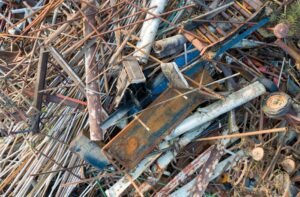
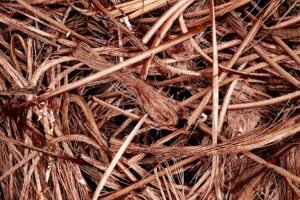
Several variables impact the final payout you receive at the weighbridge. Understanding these will help you prepare your loads for maximum profitability. First, the grade of the steel is paramount. Clean, heavy plate steel or structural steel beams command higher rates than thin, rusted sheet metal. Contamination is the enemy of value—if your scrap is mixed with plastic, wood, or non-ferrous materials like copper or aluminum, the recycler must spend time and energy separating these, which reduces the price per kg you receive.
Logistics also play a significant role. Transporting scrap is expensive due to the weight-to-value ratio. If you are located far from a major processing facility, the transport costs will inevitably be deducted from the final payout. Furthermore, market volatility is a constant. We often see shifts in iron and steel scrap prices based on energy costs, as the cost of melting down scrap in an Electric Arc Furnace (EAF) is directly tied to electricity prices. To stay ahead of these shifts, many of our users regularly monitor our Scrap Prices portal to identify trends before they hit the local market.
The Hierarchy of Scrap Steel Grades
Not all steel is created equal. To get the best return, you must categorize your material correctly. The most common grades include:
- Heavy Melting Steel (HMS): This is the gold standard for recyclers. HMS 1 and 2 are thick, structural components that are easy to process and melt.
- Mild Steel: Often found in construction, this is a low-carbon steel that is highly sought after by mills.
- Sheet Metal: This includes lighter gauges of steel, such as car body parts, appliances, and roofing materials. It is generally lower in value because it is less dense and requires more processing.
- Turnings and Borings: These are the byproduct of machining. While they are high-quality steel, their small size makes them difficult to handle and melt, often resulting in a lower price point.
By sorting your materials into these categories before delivery, you demonstrate professionalism and increase the likelihood of receiving premium rates. If you are unsure where your material fits, our team at Scraptrade Australia can provide guidance on grading and preparation standards.
How the Recycling Process Works
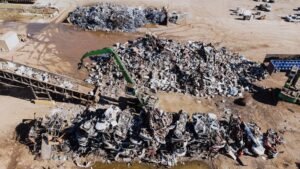
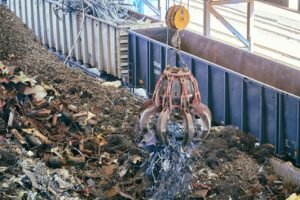
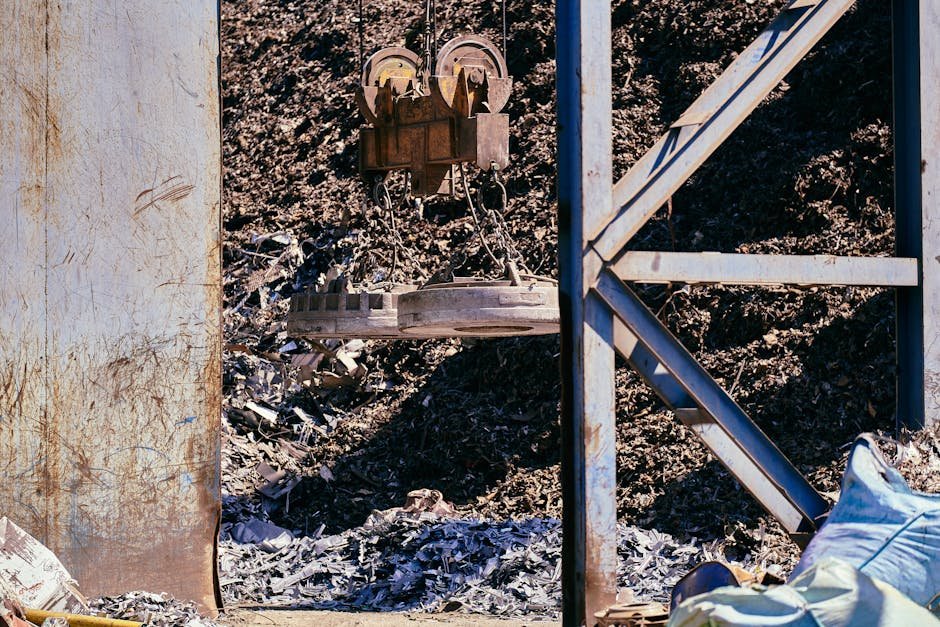
The journey from a pile of scrap to a new product is a marvel of industrial efficiency. Once scrap is collected, it undergoes a rigorous process of sorting and cleaning. High-powered magnets are used to separate ferrous metals from non-ferrous materials. Following this, the material is often shredded into smaller pieces to remove impurities and increase density. This shredded material is then fed into an Electric Arc Furnace, where it is melted down at temperatures exceeding 1,500 degrees Celsius.
After melting, the molten steel is refined to adjust its chemical composition. Alloys are added to achieve the desired strength and ductility for the final product. Finally, the steel is cast into billets, blooms, or slabs, which are then rolled into finished products like rebar, beams, or automotive components. This entire cycle can take as little as a few weeks, proving that the steel in your scrap pile today could be part of a new building or vehicle by next month. This efficiency is why the industry is so vital to global sustainability.
Environmental Benefits of Steel Recycling
The environmental case for steel recycling is overwhelming. Producing steel from virgin iron ore is an energy-intensive process that requires mining, crushing, and smelting. By contrast, recycling steel consumes roughly 75% less energy than primary production. This massive reduction in energy use leads to a significant decrease in carbon emissions, making scrap recycling a cornerstone of the global transition to a low-carbon economy.
Furthermore, recycling steel preserves natural resources. For every tonne of steel recycled, approximately 1.5 tonnes of iron ore, 0.5 tonnes of coal, and significant amounts of limestone are saved. It also diverts millions of tonnes of waste from landfills annually, preventing soil and water contamination. When you choose to recycle your steel, you are not just making a financial decision; you are contributing to a more sustainable future. For more insights on how the industry is evolving, you can visit the primary Scrap Trade resource hub.
Practical Tips for Maximizing Your Returns
To ensure you are getting the best possible price per kg, follow these expert tips:
- Sort Your Metals: Never mix ferrous and non-ferrous metals. Keep your steel separate from copper, brass, and aluminum.
- Remove Contaminants: Take the time to remove plastic, rubber, glass, and wood. A clean load is always worth more.
- Volume Matters: Larger, consistent loads are more attractive to recyclers. If you have a large demolition project, contact a recycler to arrange a dedicated bin service.
- Time Your Sales: While it is difficult to “time the market,” keeping an eye on steel scrap prices today allows you to sell when the market is trending upward.
- Build Relationships: Working with a reputable, transparent recycler ensures you get fair weights and honest grading every time.
By treating your scrap as a valuable commodity rather than waste, you shift your perspective from disposal to profit. Remember that the market for steel scrap prices today is dynamic, and staying informed is your best tool for success.
The Future of the Steel Scrap Industry
As the world moves toward net-zero targets, the demand for recycled steel is expected to skyrocket. Green steel initiatives, which focus on using renewable energy to power arc furnaces, are becoming the industry standard. This shift will likely increase the premium placed on high-quality, clean scrap metal. Companies that can provide high-purity feedstocks will be in the best position to capitalize on these changes.
In Australia, we are seeing increased investment in processing infrastructure, allowing for better separation and higher recovery rates. This is good news for both the environment and the seller. As technology improves, the gap between the value of scrap and virgin material will continue to narrow, further incentivizing recycling over mining. Whether you are a small business owner or a large industrial player, the future of the scrap trade is bright, and those who prioritize quality and sustainability will reap the greatest rewards.
Conclusion
Understanding the nuances of the steel recycling market is essential for anyone involved in the trade. From the basic definition of ferrous metal to the complexities of global market fluctuations, the information provided in this guide serves as a foundation for your success. Remember that steel scrap prices today are a reflection of a global, interconnected system that values efficiency, purity, and environmental responsibility.
By utilizing the resources available at Scrap Trade, you can stay updated on current market trends and ensure you are getting the best value for your materials. Whether you are dealing with mild steel, sheet metal, or structural beams, your commitment to proper sorting and preparation is the key to maximizing your returns. Start today by auditing your scrap piles, separating your grades, and engaging with professional recyclers who value your contribution to the circular economy.
Related: Scrap Metal Prices
Related: iron and steel scrap prices
Frequently Asked Questions
What is the primary factor that determines steel scrap prices today?
The primary factor is the global market price of steel, which is driven by supply and demand for new steel production. Local factors like transport costs, the purity of the scrap, and the specific grade of the metal also play a significant role in the price per kg.
How can I get the best price for my steel scrap?
To get the best price, ensure your scrap is clean and free of contaminants like plastic, wood, or non-ferrous metals. Sorting your steel into specific grades, such as heavy structural steel versus light sheet metal, will also help you secure a higher price.
Is there a difference in value between mild steel and other steel types?
Yes, value is determined by the chemical composition and ease of processing. Mild steel is a common, high-demand grade, whereas stainless steel or alloy steels often command different prices due to the value of the alloying elements like nickel or chromium.
Why is recycling steel better for the environment?
Recycling steel uses significantly less energy than producing new steel from virgin iron ore. It also preserves natural resources, reduces carbon emissions, and prevents large volumes of waste from ending up in landfills.