
Steel sheet stainless is a critical material in Australian manufacturing and construction. This comprehensive guide explores the technical properties, recycling processes, and market dynamics of steel sheet stainless—specifically 304 and 316 stainless steel grades—which account for over 70% of stainless steel scrap traded in Australia. Whether you’re a commercial recycler or individual seller, understanding the nuances of steel sheet stainless can significantly impact your returns.
What is Steel Sheet Stainless?
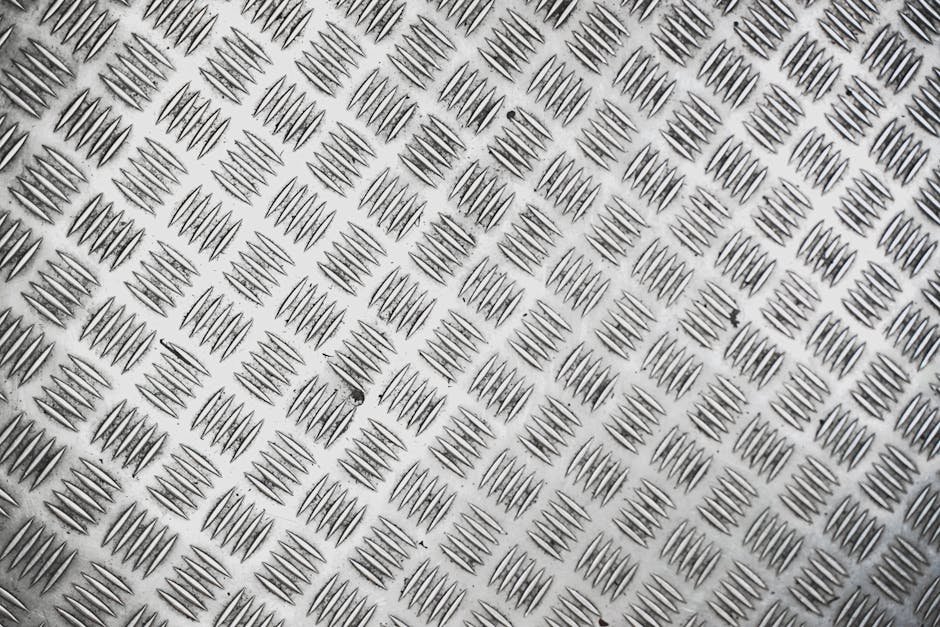
Steel sheet stainless refers to thin, corrosion-resistant metal sheets produced from chromium-nickel alloys. The two primary industrial grades—304 stainless (18% chromium, 8% nickel) and 316 stainless (adding 2% molybdenum)—offer distinct properties:
- 304 stainless: Ideal for general-purpose applications like food processing equipment and architectural cladding
- 316 stainless: Superior corrosion resistance for marine environments and chemical processing
These sheets range from 0.1mm to 5mm thickness, with coil and flat sheet formats dominating the scrap market.
Industrial Applications of Steel Sheet Stainless
Australian industries utilize steel sheet stainless in three key sectors:
1. Construction and Architecture
Used for:
- Structural components in high-rise buildings
- Roofing and cladding systems
- Architectural features requiring weather resistance
2. Manufacturing
Common applications include:
- Automotive exhaust systems
- Appliance manufacturing
- Precision tooling components
3. Marine and Chemical Processing
316 stainless sheet dominates here due to its resistance to chloride corrosion:
- Desalination plant equipment
- Shipbuilding components
- Chemical reaction vessels
Grading and Specifications: 304 vs 316 Stainless Sheets
Proper identification is crucial for steel sheet stainless valuation:
304 Stainless Steel Sheets
- Maximum operating temperature: 870°C
- Typical thickness: 0.5-3mm for commercial applications
- Price per tonne: $1,200-$1,500 depending on market conditions
316 Stainless Steel Sheets
- Maximum operating temperature: 800°C
- Typical thickness: 1-5mm for industrial use
- Price per tonne: $1,800-$2,200 due to molybdenum content
Sheet of stainless steel grades are often marked with steel mills’ logos or stamped with grade numbers. For accurate identification, use a magnet—304 is non-magnetic when annealed, while 316 may show slight magnetism after cold working.
The Stainless Steel Recycling Process
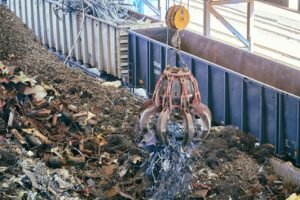
Recycling steel sheet stainless involves four key stages:
- Collection: From demolition sites, manufacturing waste, or end-of-life products
- Sorting: Using Eddy current separators to isolate stainless from mild steel and other ferrous metals
- Shredding: Reducing large sheets to 200-300mm pieces for efficient melting
- Reprocessing: Electric arc furnace melting followed by secondary refining
Recycled stainless steel retains 100% of its properties, making it a key component in new sheet production. Australian recyclers process over 650,000 tonnes of stainless steel scrap annually.
Valuing Your Steel Sheet Stainless Scrap
Scrap value depends on multiple factors:
- Grade (316 > 304 > other grades)
- Contamination levels (presence of coatings or mixed metals)
- Market demand fluctuations
- Transportation costs to processing facilities
Use our Stainless Steel Scrap Calculator for instant valuation. Current Stainless Steel Scrap Price per tonne in Sydney (as of Q3 2024):
- 316: $1,950
- 304: $1,450
- 430 (ferritic grade): $1,100
Maximizing Returns from Steel Sheet Stainless Recycling
Follow these expert tips:
- Segregate by grade to avoid downgrading
- Remove non-metallic components (paint, rubber)
- Use the Stainless Steel Recycling Guide for buyer selection
- Consider tolling arrangements for large-volume sellers
Market Trends and Environmental Impact
Australian stainless steel recycling has grown 12% annually since 2020, driven by:
- Increased infrastructure spending
- Government EPR (Extended Producer Responsibility) policies
- Steel price per tonne volatility (2023 average: $650 for scrap steel)
Environmental benefits include:
- 75% energy savings vs. primary production
- Reduction of 1.5 tonnes CO2 per tonne recycled
- Conservation of 11 cubic meters water
Conclusion
Steel sheet stainless recycling is a strategic opportunity for Australian businesses and individuals. By understanding grade specifications, proper sorting techniques, and current Steel Sheet Stainless pricing, you can turn scrap into profit while contributing to circular economy goals. For comprehensive guidance on selling your stainless steel sheets, visit Scrap Trade’s expert resources and scrap trading platform.
References and Further Reading
Frequently Asked Questions
How do I identify 304 vs 316 stainless steel sheets?
Use a magnet test (304 is non-magnetic when annealed) and chemical spot tests. 316 contains molybdenum which can be detected with spectrometry.
What’s the best way to store stainless steel scrap before selling?
Store sheets in dry, covered areas to prevent corrosion. Keep different grades separated and avoid contact with ferrous metals.
How does contamination affect stainless steel scrap value?
Contamination with coatings, dirt, or mixed metals can reduce scrap value by 20-40%. Clean material in bulk transactions often fetches premium prices.
Why recycle stainless steel sheets instead of buying new?
Recycling saves 75% energy vs. primary production, reduces mining demand, and maintains material quality. It’s both cost-effective and environmentally responsible.