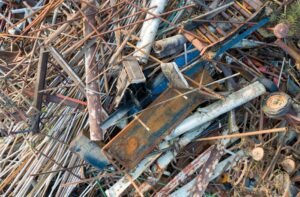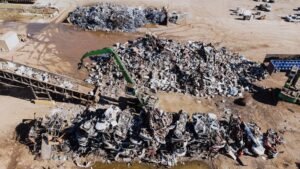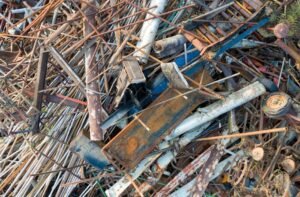

When it comes to structural steel recycling Ingleburn, businesses and demolition contractors require a sophisticated understanding of the local market to ensure efficiency and profitability. As Australia shifts toward a circular economy, the demand for recycled ferrous metal has never been higher. Whether you are clearing a construction site or managing a large-scale demolition project, navigating the complexities of steel grades, logistics, and market fluctuations is essential. This guide serves as your authoritative resource for managing structural steel assets in the Ingleburn industrial corridor.
The Importance of Structural Steel Recycling in the Circular Economy
Structural steel is the backbone of modern infrastructure. From the towering skyscrapers of Sydney to the industrial warehouses that define the Ingleburn landscape, this material is ubiquitous. However, the environmental cost of virgin steel production is significant, involving high carbon emissions and massive energy consumption. This is where structural steel recycling Ingleburn becomes a critical component of sustainable industrial practice.
By recycling steel, we reduce the need for iron ore mining and coal consumption. Ferrous metal, particularly mild steel, retains its structural integrity through infinite recycling cycles. When you choose to recycle, you are not just clearing space; you are participating in a global supply chain that transforms yesterday’s beams into tomorrow’s infrastructure. For those looking to optimize their workflow, understanding how to Sell Structural Steel Scrap I Beams H Beams Channels is the first step toward turning a waste management cost into a revenue stream.
Furthermore, the local industrial ecosystem benefits when companies commit to responsible disposal. Advanced metal recycling ingleburn facilities allow for the segregation of high-grade steel from lower-quality scrap, ensuring that materials are directed to the most efficient processing channels. This level of precision is what separates amateur scrap collection from professional metal management.
Understanding Steel Grades and Market Valuation
To maximize your returns, you must understand what you are holding. Not all scrap is created equal. The market distinguishes between various types of ferrous metal, and the current steel price per tonne is heavily influenced by the chemical composition and the ease of processing the material.
Mild steel is the most common form of structural steel found in demolition. It is highly sought after because of its predictable properties and ease of melting. Conversely, sheet metal, while also recyclable, often commands a different price point due to its lower density and higher surface-area-to-volume ratio, which can lead to higher oxidation rates. When you are preparing your site for clearing, it is vital to keep these grades separate. Cross-contamination—such as mixing stainless steel with mild steel—can significantly downgrade the value of your entire load.
If you are dealing with high-value alloys, it is worth checking our guide on Stainless Steel Recycling How To Sell Scrap For Maximum Profit to ensure you aren’t leaving money on the table. For those operating outside the immediate Ingleburn area, similar standards apply, such as those discussed in our guide on stainless steel recycling artarmon. Always consult with your [scrap metal trading platform](https://scrap.trade) to get the most accurate, up-to-date assessment of your scrap steel inventory.
Logistics and Site Management for Large-Scale Demolition
Executing a successful structural steel recycling Ingleburn project requires more than just a truck and a loader. It requires a logistical strategy. Large structural elements like H-beams and I-beams are heavy, awkward, and dangerous to transport without the right equipment. Improper handling can lead to site accidents, insurance liabilities, and increased transport costs.
We recommend implementing a ‘sort-at-source’ strategy. By designating specific zones on your site for different types of scrap steel, you reduce the time required for sorting at the recycling facility, which can often lead to better pricing. For project managers planning ahead, it is vital to Buy Structural Steel Scrap From Demolition In 2026 with a clear understanding of the future supply chain requirements. Engaging with a professional [Australian scrap metal service](https://scraptrade.com.au) early in the project lifecycle ensures that you have the right bins, the right collection schedule, and the right documentation to prove compliance with environmental regulations.
The Role of Technology in Modern Metal Recycling
The scrap industry is no longer just about heavy machinery; it is increasingly data-driven. Modern recycling facilities now utilize spectral analysis to determine the exact composition of scrap metal in seconds. This ensures that the steel price per tonne you receive is based on the actual chemical makeup of your material, rather than a generic estimate.
For the scrap generator, this means that transparency is key. When you work with a platform that uses digital tracking, you can monitor your scrap loads from the moment they leave your site until they reach the final smelter. This level of accountability is essential for companies aiming to meet ESG (Environmental, Social, and Governance) targets. By documenting your recycling efforts, you provide verifiable proof of your commitment to sustainability, which can be a powerful asset in tender applications and corporate reporting.
Safety Protocols for Handling Structural Steel
Safety is the primary concern when dealing with structural steel. These materials are often under tension or stress, especially if they are being removed from a structure that is partially demolished. Before any recycling activity begins, a thorough site assessment must be conducted to identify potential hazards, such as hidden electrical components, hazardous coatings (like lead-based paint), or unstable structural members.
Workers should always utilize appropriate personal protective equipment (PPE), including cut-resistant gloves, steel-toed boots, and high-visibility clothing. Furthermore, the use of heavy-duty lifting equipment—such as cranes or magnets—must be managed by certified operators. When transporting scrap, ensure that the load is properly secured and that the vehicle is rated for the weight of the steel. Overloading a vehicle is not only illegal but poses a significant risk to other road users in the Ingleburn area.
Future Trends: The 2026 Outlook for Steel Recycling
As we look toward 2026, the structural steel recycling industry is poised for significant growth. Global demand for ‘green steel’—steel produced with lower carbon emissions—is creating a premium for high-quality scrap. This shift is expected to influence the steel price per tonne, as smelters compete for cleaner, more reliable sources of recycled ferrous metal.
For businesses in Ingleburn, this means that investing in better sorting and processing capabilities today will pay dividends in the coming years. The ability to provide ‘clean’ scrap, free from contaminants and debris, will become the industry standard. We encourage all our partners to stay informed about these market shifts by regularly visiting our [scrap metal trading hub](https://scrap.trade) for updates on market trends and industry best practices.
Practical Tips for Maximizing Your Scrap Returns
1. Clean Your Scrap: Remove non-metallic attachments like concrete, wood, and plastic. A clean load is always worth more than a contaminated one.
2. Sort by Grade: Keep mild steel separate from alloys and other non-ferrous metals.
3. Volume Matters: Larger, consistent loads often qualify for better pricing tiers and lower transport costs.
4. Time Your Sales: Keep an eye on market trends. Selling when the steel price per tonne is peaking can significantly boost your bottom line.
5. Build Relationships: Partner with a reputable recycler who understands your specific needs and can provide reliable, timely service.
6. Document Everything: Keep records of your recycling activities for compliance and reporting purposes.
7. Use the Right Tools: Invest in or rent the appropriate equipment to ensure safe and efficient handling of heavy structural members.
8. Communicate Early: If you have a large demolition project, contact your recycler well in advance to coordinate logistics and avoid delays.
Conclusion: Choosing the Right Path for Your Business
Structural steel recycling is a cornerstone of responsible industrial operation in Ingleburn. By understanding the nuances of the market, prioritizing safety, and utilizing professional recycling services, you can transform your scrap metal from a logistical burden into a valuable asset. Whether you are managing a small renovation or a major demolition, the principles of efficient sorting, accurate grading, and strategic timing remain the same. We are committed to helping you navigate this landscape, providing the tools and information necessary to succeed in the evolving Australian scrap market. Start by assessing your current inventory and reaching out to industry experts to ensure you are getting the best possible value for your structural steel.
Frequently Asked Questions
What is the best way to determine the value of my structural steel scrap?
The value is determined by the current market steel price per tonne, the grade of the steel (e.g., mild steel vs. alloys), and the cleanliness of the material. Contacting a professional recycling platform for a current quote based on your specific volume and grade is the most accurate method.
Does structural steel recycling Ingleburn offer pick-up services?
Yes, many professional recycling services in the Ingleburn area provide collection and transport solutions for large-scale structural steel demolition projects. It is best to coordinate with your provider to ensure they have the appropriate heavy-duty lifting equipment for your specific load.
Why is it important to separate mild steel from other metals?
Separating metals ensures that you receive the highest possible price for each material grade. Mixing metals, such as stainless steel with mild steel, often results in the entire load being downgraded to the value of the lowest-quality material.
How can I ensure my recycling process meets environmental compliance?
Work with certified recycling facilities that provide proper documentation and weighbridge certificates. These records prove that your scrap was processed in accordance with local environmental regulations and help you track your sustainability metrics.