
Navigating the complexities of sunshine coast waste disposal requires a strategic approach that balances environmental responsibility with economic efficiency. Whether you are a homeowner clearing out a shed, a contractor managing a major renovation, or a business owner overseeing industrial operations, understanding the local waste hierarchy is essential. By diverting materials from landfill and engaging with specialized recycling networks, you not only reduce your carbon footprint but also potentially turn waste into a revenue stream. This guide provides an authoritative overview of how to manage your waste streams effectively across the Sunshine Coast region.
Understanding the Sunshine Coast Waste Landscape
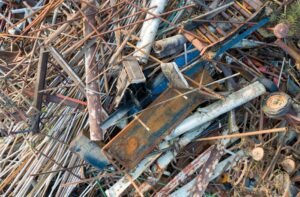
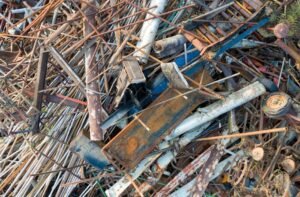
The Sunshine Coast region has specific regulations governing waste management, designed to protect the local environment and manage landfill capacity. Waste disposal is categorized into general household waste, green waste, construction and demolition waste, and hazardous materials. Residents and businesses are encouraged to utilize the Sunshine Coast Council’s waste facilities, but for specific materials like scrap metal, industrial offcuts, and obsolete technology, specialized services are required. If you are looking for a reputable scrap metal dealer sunshine coast, you must ensure they operate under strict environmental compliance standards. Proper disposal isn’t just about throwing things away; it is about resource recovery. Metals, in particular, are infinitely recyclable, making them a high-value commodity that should never end up in a standard landfill bin. By choosing to recycle, you contribute to the circular economy, reducing the need for virgin ore mining and saving significant energy in the manufacturing process.
Maximizing Value: How To Monetize Renovation Waste Scrap
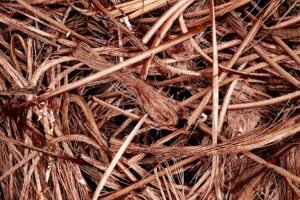
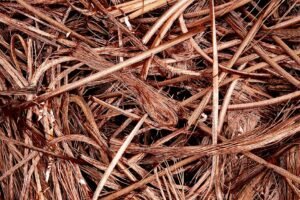
Renovations often generate significant volumes of waste, much of which is highly valuable if processed correctly. Instead of paying for skip bins for all your materials, consider the financial benefits of sorting your debris. When you learn How To Monetize Renovation Waste Scrap, you transform a cost center into a potential profit generator. Copper piping, electrical wiring, aluminum window frames, and steel structural beams are all highly sought after by recyclers. The key is segregation. Keep your non-ferrous metals (like copper and brass) separate from ferrous metals (like steel and iron) to achieve better market rates at the weighbridge. Furthermore, removing contaminants such as plastic insulation or non-metallic attachments will significantly increase the per-kilogram value of your scrap. For those managing large-scale projects, establishing a site-specific waste management plan before demolition begins can save thousands of dollars in disposal fees while maximizing the recovery of marketable scrap materials.
Industrial Efficiency: Factory Scrap Disposal Process
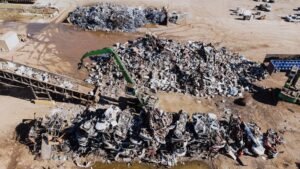
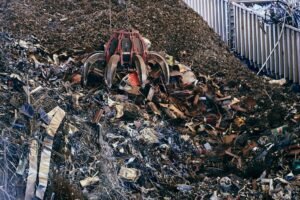
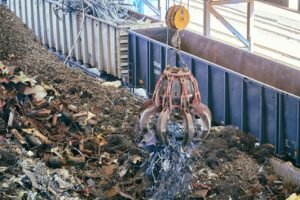
For manufacturing facilities and industrial workshops, waste management is a critical operational component. Implementing a streamlined Factory Scrap Disposal Process ensures that production floors remain safe and efficient while capturing the maximum value from production offcuts. This involves setting up designated collection points for different metal grades, utilizing specialized bins, and scheduling regular pickups to prevent clutter. Industrial waste often includes large quantities of machining swarf, oversized steel plates, and obsolete tooling. Partnering with an experienced recycler allows for the implementation of a tailored logistics plan, ensuring that your scrap metal recycling sunshine coast requirements are met with precision. By treating scrap as a secondary raw material rather than ‘trash,’ businesses can improve their bottom line and demonstrate a commitment to sustainable manufacturing practices that align with modern environmental standards.
The Critical Role of E-Waste Management
Electronic waste, or e-waste, is one of the fastest-growing waste streams in Australia. It contains hazardous materials like mercury, lead, and cadmium, but also valuable precious metals like gold, silver, and palladium. The E Waste Group initiatives across the region are vital for ensuring these devices are dismantled and processed safely. You should never dispose of computers, printers, or household electronics in general waste bins. These items require specialized handling to ensure that toxic components are contained and that valuable materials are recovered. Many local recycling centers and private scrap dealers offer dedicated drop-off points for e-waste. By ensuring your electronics are handled by certified professionals, you prevent environmental contamination and support the recovery of rare earth elements that are essential for the production of new technology.
Practical Tips for Responsible Waste Disposal
To optimize your waste management efforts, consider the following practical strategies:
- Sort at the Source: The most important step is to separate materials as they are generated. Keeping metals, cardboard, and plastics separate saves time and increases the value of your recyclables.
- Safety First: When handling scrap metal, always wear appropriate personal protective equipment (PPE), including heavy-duty gloves and steel-capped boots, to avoid injury from sharp edges.
- Check Regulations: Always verify what items are accepted at your local facility. Some items, such as gas bottles or fire extinguishers, require specific degassing processes before they can be recycled.
- Partner with Experts: Utilize the services of professional scrap traders. You can find comprehensive resources and market insights at Australia’s leading scrap metal trading platform to stay informed about current metal prices and recycling best practices.
- Logistics Planning: For large volumes of scrap, coordinate with your dealer to arrange for bin delivery and collection, which can simplify your site logistics and reduce handling time.
- Documentation: Maintain records of your waste disposal, especially for businesses, as this is often required for environmental compliance reporting and carbon footprint tracking.
Environmental Impact and Future Trends
The future of sunshine coast waste disposal is trending toward a zero-waste economy. As landfill levies increase and environmental regulations tighten, the incentive to recycle becomes more compelling. The circular economy model—where materials are kept in use for as long as possible—is the gold standard. By choosing to recycle, you are actively participating in a global effort to reduce the extraction of virgin materials. The local scrap metal industry is evolving with new technologies that allow for better sorting and processing, ensuring that even complex alloys are recovered and repurposed. Staying informed about these advancements will help you make better decisions regarding your waste streams. Whether you are a small business or a large-scale industrial operator, your contribution to recycling helps preserve the natural beauty of the Sunshine Coast for future generations. For more information on navigating the scrap market, visit the premier scrap metal trading hub to connect with buyers and sellers.
Common Challenges and Solutions
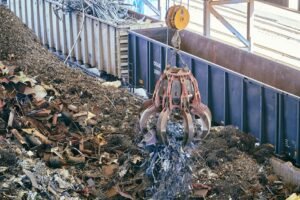
One of the primary challenges in waste management is the contamination of recyclables. For example, a load of steel that is heavily contaminated with concrete or wood will significantly decrease in value and may be rejected by a recycler. To solve this, implement a ‘clean stream’ policy on your site. Educate your team or household members on what constitutes clean scrap. Another challenge is the logistics of transporting heavy materials. If you do not have the equipment to move large quantities of scrap, look for dealers who offer mobile collection services. These professionals have the heavy machinery, such as cranes and magnets, to handle large-scale disposal efficiently. By overcoming these logistical and operational hurdles, you ensure that your waste management strategy is both effective and profitable. Remember that the goal is to keep materials in the loop, turning potential landfill waste into valuable resources that fuel the Australian manufacturing sector.
Conclusion: Taking Action for a Cleaner Coast
Effective waste management is a shared responsibility that requires diligence, knowledge, and the right partnerships. By understanding the nuances of sunshine coast waste disposal, you can significantly reduce your environmental impact while potentially generating revenue from materials that would otherwise be discarded. From managing renovation debris to streamlining industrial factory scrap, the steps you take today contribute to a more sustainable future. Utilize the resources provided by professional scrap dealers, stay compliant with local council regulations, and prioritize the segregation of recyclables. By integrating these practices into your daily operations or home projects, you play a vital role in the circular economy of the Sunshine Coast. Start by assessing your current waste streams, identifying what can be recycled, and reaching out to industry experts to help you manage your materials responsibly and profitably.
Frequently Asked Questions
What is the best way to dispose of scrap metal on the Sunshine Coast?
The best way is to separate your metals by type (ferrous vs. non-ferrous) and contact a professional scrap metal dealer. They can often provide collection services for large quantities and offer competitive market rates for your materials.
Can I put e-waste in my general household bin?
No, you should never put e-waste in your general waste bin. It contains hazardous materials and valuable components that must be processed at specialized e-waste recycling facilities to ensure environmental safety.
How do I know if my renovation waste is recyclable?
Most metal components from renovations, such as copper piping, aluminum frames, and steel fixtures, are highly recyclable. You can check with your local scrap dealer to see if your specific materials meet their acceptance criteria.
Are there costs associated with recycling scrap metal?
In many cases, you are actually paid for your scrap metal depending on the current market value and the quality of the material. However, some large-scale disposal services may involve logistics fees for bin hire or transport.