
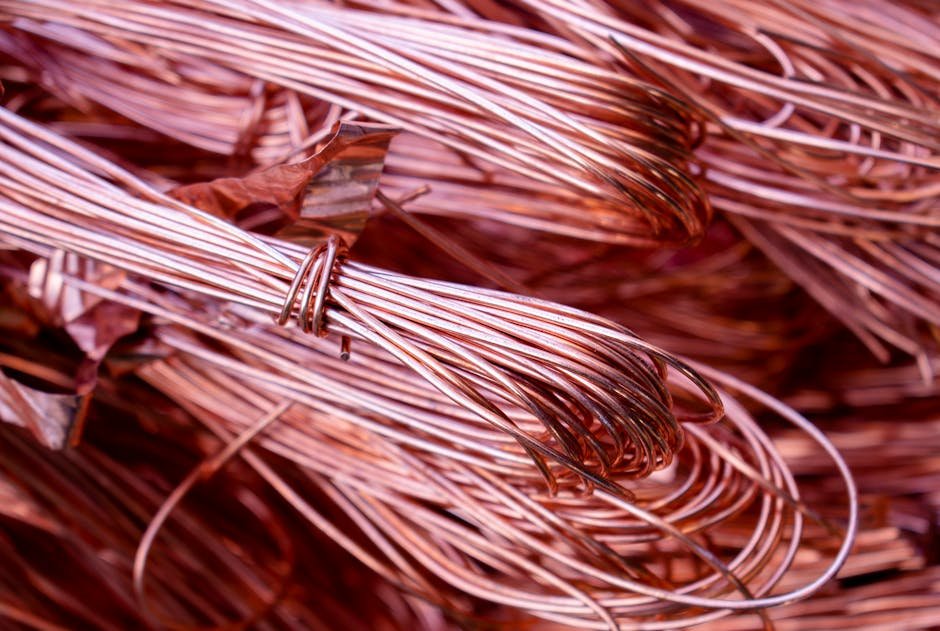

Sutherland Copper Traders are pivotal players in Australia’s scrap metal recycling industry, specializing in the collection, processing, and trading of copper. With a focus on sustainability and profitability, these traders handle various copper types, including copper wire, copper pipe, bare bright copper, and number 2 copper. Understanding the dynamics of copper recycling, pricing, and best practices is essential for businesses and individuals looking to maximize value from their scrap copper. This guide explores the role of Sutherland Copper Traders, the types of copper they handle, pricing mechanisms, and practical tips for effective recycling.
The Role of Sutherland Copper Traders in Australia
Sutherland Copper Traders operate as critical intermediaries between scrap generators (industries, households, demolition sites) and recycling facilities. They collect, sort, and prepare copper for refining, ensuring it meets industry standards. Their services include:
- Collection and Sorting: Traders gather copper from multiple sources, separating it into categories like bare bright copper or number 2 copper based on purity.
- Pricing Transparency: They provide up-to-date scrap copper prices near me to ensure fair compensation for sellers.
- Environmental Responsibility: By recycling copper, they reduce mining demands and energy consumption compared to producing new copper.
Choosing a reputable trader like Sutherland ensures compliance with environmental regulations and maximizes returns for sellers.
Types of Copper Accepted by Sutherland Traders
Sutherland Copper Traders handle diverse copper scrap types, each with distinct market values:
- Bare Bright Copper: Clean, uncoated copper wire or tubing with no insulation. This is the highest grade and commands top prices.
- Number 2 Copper: Mixed copper with insulation or light coating. Common sources include discarded wiring and electrical components.
- Copper Pipe: Used in plumbing; traders assess its condition and purity before pricing.
- Busbar and Copper Scrap: Industrial copper components, often in sheets or bars, valued for their high conductivity.
For more details on specific types, visit our Scrap Copper page.
The Copper Recycling Process
The recycling process involves several stages to ensure the copper is refined and ready for reuse:
- Collection: Traders like Sutherland deploy trucks to collect copper scrap from businesses and individuals.
- Sorting and Cleaning: Copper is sorted by type and purity. Contaminants are removed to enhance recyclability.
- Shredding/Processing: Copper is shredded into smaller pieces for easier melting and refining.
- Refining: The processed copper is melted and cast into ingots, ready for manufacturing new products.
This process reduces environmental impact by reusing up to 90% of the energy required for primary copper production.
Factors Affecting Copper Scrap Prices
Copper prices fluctuate based on global demand, market trends, and material quality. Key factors include:
- Market Demand: Industrial growth and construction activity influence copper demand, directly affecting copper scrap price per kg.
- Purity and Type: Bare bright copper fetches higher prices than number 2 copper due to its higher conductivity.
- Geopolitical Factors: Trade policies and mining output in countries like China and Chile impact global supplies.
To stay updated on local pricing, visit Scrap Copper Prices Near Me.
Practical Tips for Selling Copper to Sutherland Traders
Maximizing returns when selling copper requires preparation and awareness:
- Proper Sorting: Separate copper types (e.g., bare bright vs. number 2 copper) to avoid price deductions.
- Remove Contaminants: Strip wires of insulation and clean copper pipe to increase purity.
- Track Prices: Use scrap copper pricing tools to time your sales during peak demand.
- Use Reputable Traders: Partner with Sutherland Copper Traders certified for fair pricing and environmental compliance.
For bulk sales, negotiate rates in advance using the latest Copper Scrap Group benchmarks.
The Future of Copper Recycling in Australia
As sustainability becomes a priority, copper recycling will play a central role in Australia’s green economy. Innovations like AI-driven sorting systems and blockchain-based pricing platforms are improving efficiency. Sutherland Copper Traders are investing in these technologies to streamline operations and meet global ESG standards. Additionally, government incentives for scrap recycling are expected to boost industry growth by 15% over the next five years.
Why Choose Sutherland Copper Traders?
Sutherland stands out for its commitment to transparency, sustainability, and customer service. Their extensive network ensures quick pickups, competitive pricing, and compliance with Australian recycling regulations. By choosing Sutherland, you contribute to a circular economy while securing optimal returns for your copper scrap.
Explore more about copper trading at Scrap Trade or contact ScrapTrade Australia for tailored solutions.
Frequently Asked Questions
What types of copper does Sutherland Copper Traders accept?
Sutherland Copper Traders accept a variety of copper types, including bare bright copper, number 2 copper, copper wire, copper pipe, and industrial copper scrap. Check their website for specifics on acceptable materials.
How is the price of scrap copper determined?
Scrap copper prices depend on factors like purity, type (e.g., number 2 copper vs. bare bright copper), market demand, and copper scrap price per kg. Traders like Sutherland provide real-time pricing updates.
What is the best way to prepare copper for sale?
Clean and sort copper by type, remove insulation or contaminants, and ensure proper storage to avoid damage. Visit Scrap Copper for preparation tips.
How can I stay updated on current copper prices?
Use Scrap Copper Prices Near Me to track real-time scrap copper pricing and plan your sales strategically.











