
sydney copper scrap plays a vital role in Australia’s circular economy, particularly in New South Wales (NSW). As one of the most valuable metals in the recycling sector, copper is in constant demand due to its conductivity, durability, and 100% recyclability. This guide explores the grades of scrap copper, the recycling process, environmental benefits, and practical insights for maximizing value in Sydney’s market.
Understanding Sydney Copper Scrap Grades
Copper scrap is categorized into distinct grades based on purity, condition, and composition. For traders and recyclers in Sydney, understanding these classifications is essential for accurate pricing and efficient sorting:
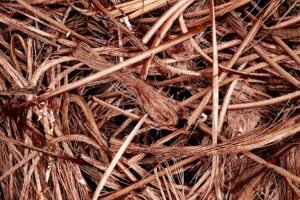
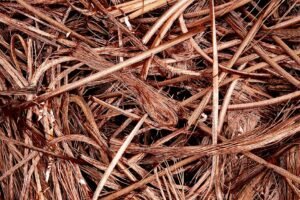
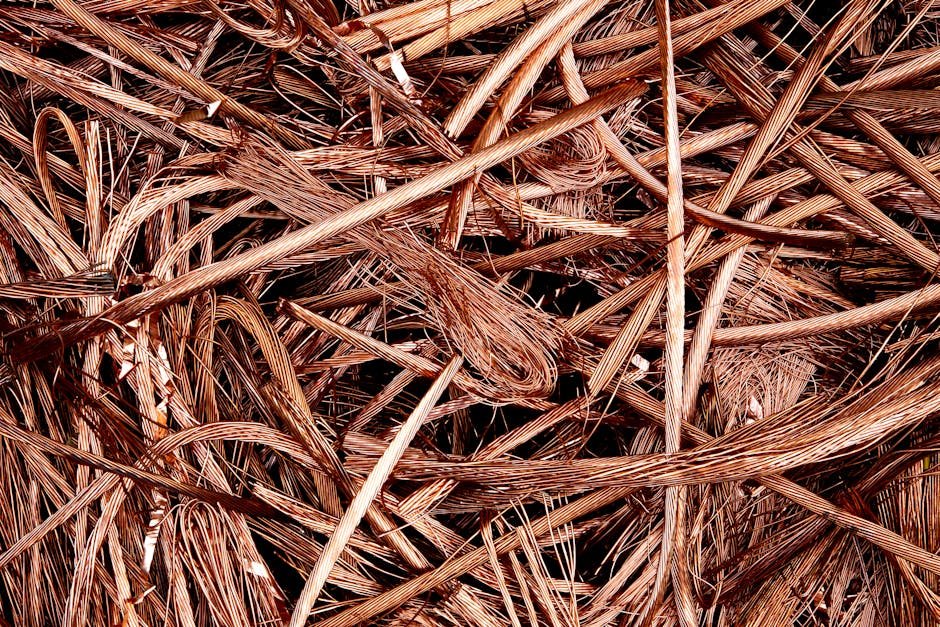
- Bare Bright Copper: The highest-grade scrap, consisting of clean, uncoated copper wire or tubing with no insulation or contaminants. This material fetches top prices due to its near-99% purity.
- Number 2 Copper: Insulated copper wire with intact plastic or rubber coatings. While lower in value than bare bright, it is still highly recyclable after de-insulation processes.
- Copper Pipe: Includes plumbing pipes, often mixed with fittings and solder. Priced lower than wire grades due to higher processing costs.
- Mixed Copper Scrap: A blend of copper and other metals like brass or aluminum. This category requires advanced sorting techniques and commands lower rates.
For detailed pricing information, visit Scrap Copper Prices Near Me to compare copper price per kg in Sydney.
The Copper Recycling Process in Sydney
Copper recycling in Sydney follows a structured workflow to maximize efficiency and sustainability:
- Collection and Sorting: Scrap is gathered from demolition sites, industrial facilities, and residential sources. Sorting separates copper from other metals and contaminants using manual and automated systems.
- Shredding and De-insulation: Insulated wires undergo mechanical stripping to remove coatings. Shredders break down larger items like copper pipe into manageable fragments.
- Smelting and Refining: Processed scrap is melted in furnaces to remove impurities. The molten copper is cast into ingots or sheets for reuse in manufacturing.
- Reintegration into Industry: Recycled copper is used in electrical wiring, construction, and electronics, reducing the need for mined ore.
NSW regulations mandate responsible recycling practices, ensuring minimal environmental impact. Learn more about Scrap Copper and its role in the supply chain.
Environmental Benefits of Copper Recycling
Recycling sydney copper scrap offers significant ecological advantages:
- Resource Conservation: Recycling reduces reliance on copper ore mining, preserving finite mineral resources and protecting ecosystems from mining-related degradation.
- Energy Efficiency: Producing recycled copper consumes 85% less energy than extracting and refining new copper from ore.
- Carbon Emission Reduction: The recycling process emits up to 90% fewer greenhouse gases compared to primary production.
- Waste Minimization: Proper recycling diverts millions of tons of scrap from landfills, reducing soil and water contamination risks.
According to the Australian Bureau of Statistics, recycling rates for copper in NSW have increased by 30% over the past decade, highlighting the industry’s growing commitment to sustainability. Explore Copper Scrap Group for community insights on recycling best practices.
Factors Influencing Sydney Copper Scrap Prices
The copper price per kg in Sydney fluctuates based on several factors:
- Global Market Demand: Industrial growth in Asia and Europe drives demand for recycled copper, directly impacting Australian prices.
- Grade and Purity: Bare bright copper commands the highest rates, while lower grades like number 2 copper and mixed scrap earn less.
- Local Regulations: NSW environmental policies and import/export tariffs can influence market dynamics.
- Seasonal Trends: Construction activity peaks during warmer months, increasing short-term demand for copper wire and pipe.
For real-time pricing data, check copper scrap price sydney to stay updated on current rates.
Practical Tips for Selling Sydney Copper Scrap
Maximize your returns by following these strategies:
- Sort and Clean Scrap: Separate grades and remove non-copper materials like plastic or steel. Clean surfaces to avoid contamination.
- Stay Informed: Use scrap copper sydney to track market trends and negotiate better prices.
- Work with Reputable Buyers: Partner with licensed recyclers who provide transparent pricing and eco-friendly practices.
- Document Weights and Grades: Maintain records of your scrap’s weight and type to streamline transactions.
The Future of Copper Recycling in NSW
The Australian government has set ambitious targets to increase recycling rates by 2030, with copper a key focus area. Innovations like sensor-based sorting and AI-driven grading systems are expected to boost efficiency. For businesses and individuals, staying ahead of these trends ensures long-term profitability and environmental stewardship.
Visit scrap.trade for tools and resources to optimize your sydney copper scrap operations. For broader industry insights, explore scraptrade.com.au.
Conclusion
sydney copper scrap is a cornerstone of Australia’s recycling economy, offering financial and environmental benefits. By understanding grades, mastering the recycling process, and leveraging market insights, stakeholders can contribute to a sustainable future while maximizing value. Whether you’re a small-scale seller or an industrial recycler, Sydney’s dynamic market provides opportunities for growth and innovation.
Frequently Asked Questions
What are the main grades of copper scrap in Sydney?
The primary grades include bare bright copper (highest purity), number 2 copper (insulated wire), copper pipe, and mixed scrap. Each grade has distinct pricing and processing requirements.
How can I check current copper scrap prices in Sydney?
Use platforms like Scrap Copper Prices Near Me to access real-time copper price per kg data specific to New South Wales.
What environmental benefits does copper recycling provide?
Recycling reduces energy use by 85%, cuts CO2 emissions by 90%, conserves natural resources, and minimizes landfill waste. NSW’s regulations further ensure responsible practices.
What tips should I follow to sell copper scrap profitably?
Sort grades carefully, clean materials, track market trends via tools like scrap copper sydney, and work with licensed recyclers for fair pricing.