
Navigating the sydney scrap metal industry requires a deep understanding of how global commodities markets intersect with local logistics. Whether you are a commercial contractor in Western Sydney or a residential renovator on the North Shore, understanding the lifecycle of your waste materials is essential for maximizing value and ensuring compliance with New South Wales environmental regulations. As the city evolves, the demand for sustainable material recovery has never been higher, making it critical to partner with reputable facilities that prioritize transparency and efficiency.
Understanding Metal Grades: Ferrous vs. Non-Ferrous
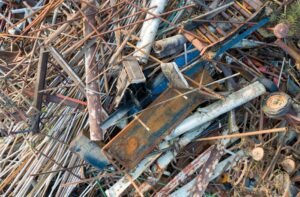
To optimize your returns when you Scrap Metal Prices fluctuate, you must first distinguish between the two primary categories of scrap: ferrous and non-ferrous. Ferrous metals, which contain iron, are magnetic and generally heavier. Common examples include steel, iron, and various alloys used in construction. Because these materials are abundant, they are typically traded in higher volumes but at lower price points per kilogram. If you are looking to Sell Scrap Metal Near Me In 2026, identifying your steel beams, rebar, or old machinery as ferrous is the first step in the valuation process.
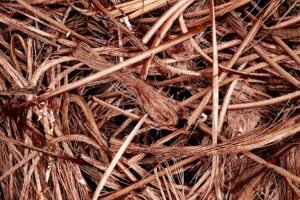
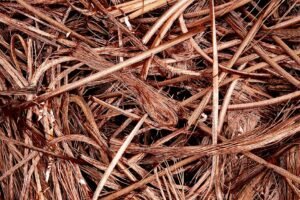
Non-ferrous metals, by contrast, do not contain iron and are prized for their resistance to corrosion and high conductivity. This category includes copper, aluminium, brass, lead, and stainless steel. Non-ferrous metals are significantly more valuable and are the primary drivers of profit for most recycling yards. For instance, high-grade copper wiring stripped from electrical infrastructure in Greater Sydney can command premium rates. Understanding these grades allows you to segregate your materials effectively, which is the most practical way to increase your payout at the scales. When you engage in scrap metal recycling sydney, the facility will test your items using handheld X-ray fluorescence (XRF) analyzers to ensure accuracy in grading.
The Sydney Scrap Metal Recycling Process
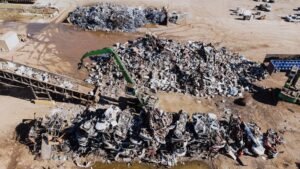
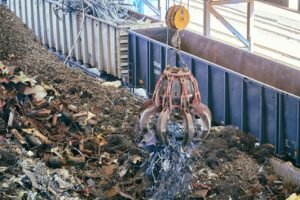
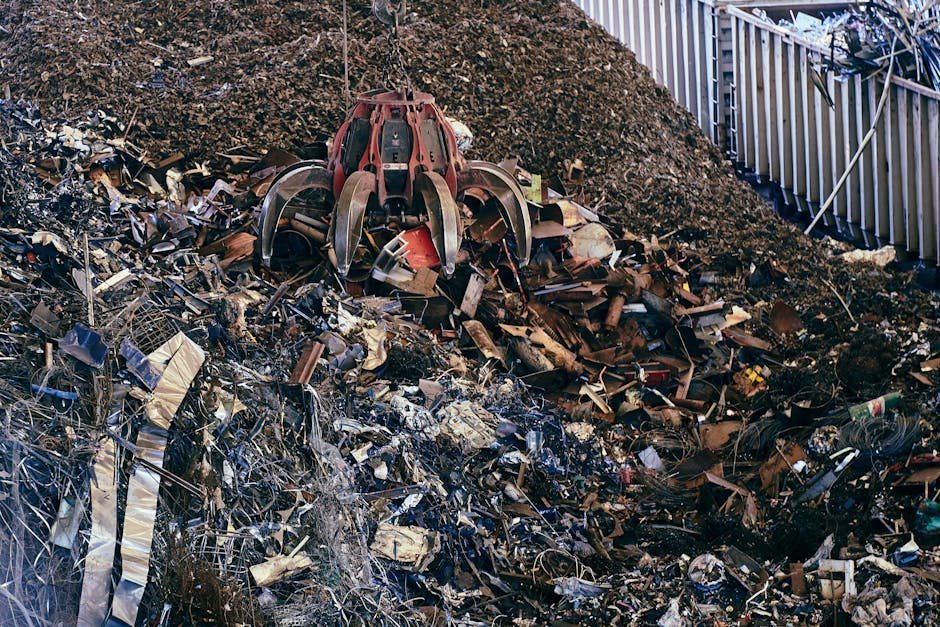
The journey of a metal object from a demolition site to a new product is a sophisticated industrial process. Once you drop off your materials at a Scrap Metal Recycling Near Me facility, the material undergoes a rigorous sequence of operations. First, the scrap is weighed on certified weighbridges to establish a baseline. Following this, the sorting phase begins. Advanced sorting technologies, including magnetic separators for ferrous metals and eddy current separators for non-ferrous materials, are employed to strip away contaminants like plastics, wood, or glass.
After sorting, the metal is processed through shredders or hydraulic shears. Shredding breaks down large appliances or vehicle bodies into fist-sized chunks, which facilitates easier melting. The final stage involves melting the scrap in massive furnaces. This molten metal is then cast into ingots or billets, which serve as the feedstock for manufacturers. By choosing to scrap metal sydney, you are participating in a circular economy that drastically reduces the need for virgin ore mining. This entire process is strictly monitored by the EPA in NSW to ensure that hazardous waste, such as oils or refrigerants, is handled according to best practice standards.
Environmental Benefits of Metal Recycling
The environmental impact of recycling cannot be overstated. Mining and refining virgin metals—particularly aluminium and copper—are energy-intensive processes that generate significant carbon emissions and habitat destruction. Recycling aluminium, for example, requires 95% less energy than producing it from bauxite ore. By utilizing a professional scrap trading platform, you are directly contributing to a reduction in the carbon footprint of the Australian manufacturing sector.
Furthermore, recycling keeps heavy metals out of New South Wales landfills. When scrap is left to rust in uncontrolled environments, toxic chemicals can leach into the groundwater, posing long-term risks to local ecosystems. In Greater Sydney, where urban density is increasing, land is a premium resource. Diverting thousands of tonnes of metal from landfills annually preserves space and prevents the long-term degradation of our soil and water systems. By supporting the national scrap metal network, you are helping to build a more resilient and sustainable infrastructure for the future.
Logistics and Collection Across Sydney
Logistics remain the biggest hurdle for large-scale scrap metal recovery. Whether you are operating a demolition site in the heart of Western Sydney or a boutique workshop on the North Shore, the cost of transport can impact your net profit. Most professional recyclers offer bin services or skip hire, which is an essential service for contractors who generate consistent volumes of scrap. Having a dedicated container on-site prevents cross-contamination of materials and ensures that your scrap is handled safely.
When arranging collection, it is important to consider the site accessibility. Large trucks require adequate turning circles and clearance. In Sydney, traffic congestion can also influence collection times. Planning your scrap removal during off-peak hours can often result in more reliable service. Always ensure that your scrap is free from hazardous materials, such as gas bottles, sealed containers, or radioactive components, as these can trigger safety shutdowns at the processing facility. Providing a clean, sorted load is the best way to ensure a smooth transaction and a higher return on your materials.
Market Trends and Economic Factors
The sydney scrap metal market is intrinsically linked to global industrial demand. When China or the United States ramps up construction, the demand for steel and copper rises, subsequently driving up local scrap prices. Conversely, economic slowdowns can lead to a softening of rates. Keeping an eye on the London Metal Exchange (LME) is a useful way to track broader trends, though local factors like freight costs and the Australian dollar exchange rate also play a significant role.
In 2026, we are seeing a shift toward more digitized trading platforms. Real-time pricing updates and digital invoicing are becoming the standard, allowing sellers to track their earnings with greater precision. This transparency is vital for businesses that rely on scrap revenue to offset their operational costs. By leveraging data-driven insights, you can time your sales to coincide with market peaks, turning a simple waste management task into a strategic revenue stream.
Safety and Compliance Standards
Safety is the cornerstone of the recycling industry. Dealing with heavy machinery, sharp edges, and industrial materials carries inherent risks. Reputable scrap yards in New South Wales adhere to strict Occupational Health and Safety (OHS) protocols. This includes the use of personal protective equipment (PPE) for staff and visitors, as well as rigorous training for those operating heavy machinery.
Compliance with local council regulations is also non-negotiable. Many areas in Sydney have specific zoning laws regarding the storage and processing of scrap metal. Unauthorized dumping or illegal processing facilities can lead to heavy fines and environmental damage. By utilizing licensed and established recycling partners, you ensure that your waste is handled legally and ethically. This is particularly important for commercial entities that require environmental certification for their sustainability reporting.
Future Outlook: The Circular Economy
The future of sydney scrap metal lies in the circular economy—a system where materials are kept in use for as long as possible. As technology advances, we expect to see more sophisticated automated sorting systems that can identify and separate alloys with near-perfect accuracy. This will lead to higher quality recycled products, reducing the need for raw material extraction even further.
Furthermore, the integration of blockchain technology in the supply chain could soon allow for the traceability of scrap metal from the point of origin to the final product. This level of transparency will be a game-changer for industries that require certified low-carbon materials, such as the construction and automotive sectors. By staying informed and involved in the recycling process, you are at the forefront of this industrial revolution, helping to turn the waste of today into the resources of tomorrow.
Practical Tips for Maximizing Value
To get the most out of your scrap, follow these expert tips:
- Sort your materials: Never mix ferrous and non-ferrous metals. The lower-value iron will contaminate the higher-value copper or brass, potentially causing the entire load to be downgraded.
- Clean your scrap: Remove non-metal attachments like plastic handles, rubber seals, or wooden frames. The cleaner the metal, the higher the price you will receive.
- Strip wires: If you have large quantities of electrical cabling, stripping the plastic insulation can significantly increase the value of the copper inside.
- Keep it dry: Store your scrap under cover to prevent rusting. While some surface rust is expected, excessive corrosion reduces the weight and quality of the metal.
- Build relationships: If you are a regular supplier, talk to your local yard about potential volume bonuses or better rates for consistent, clean loads.
By following these strategies, you ensure that your scrap metal recycling experience is not only profitable but also contributes to the broader goal of a sustainable New South Wales. Whether you are a professional tradesperson or a homeowner, the effort you put into sorting and preparing your scrap pays dividends in both cash and environmental impact.
Frequently Asked Questions
What is the difference between ferrous and non-ferrous scrap metal?
Ferrous metals contain iron and are magnetic, such as steel and iron. Non-ferrous metals, like copper, aluminium, and brass, do not contain iron and are generally more valuable due to their corrosion resistance and conductivity.
How can I get the best price for my scrap metal in Sydney?
To maximize your returns, ensure your scrap is clean, free of contaminants like plastic or wood, and properly sorted by grade. Stripping insulation from copper wire and selling in higher volumes can also improve your overall payout.
Is it legal to dispose of scrap metal in general waste bins?
No, it is not recommended and often illegal to place large quantities of scrap metal in general waste bins. Scrap metal should be taken to a specialized recycling facility to ensure it is processed correctly and to avoid landfill contamination.
Why is recycling scrap metal important for the environment?
Recycling metal significantly reduces the energy required for production compared to mining virgin ore, which lowers carbon emissions. It also preserves natural resources and prevents hazardous materials from leaching into the soil in landfills.