
The uae scrap market stands as a pivotal nexus in the global supply chain, leveraging its unique geographical position to bridge the gap between industrial waste production and international manufacturing demand. As the region pivots toward sustainability, the infrastructure supporting this industry has evolved from basic collection to high-tech processing, making the uae scrap market an essential study for traders, recyclers, and industrial stakeholders. Understanding the nuances of this market requires a deep dive into grading protocols, logistics, and the regulatory frameworks that govern metal movement across borders.
Understanding Scrap Grades in the UAE
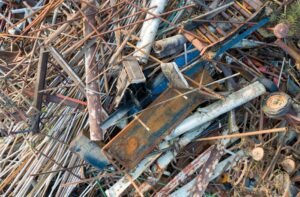
In the uae scrap market, precision is the currency of trade. Metals are categorized based on their chemical composition, impurity levels, and physical form. Ferrous metals, primarily steel and iron, are classified according to ISRI (Institute of Scrap Recycling Industries) standards, which ensure that buyers globally receive consistent quality. For those looking to understand the broader implications of these classifications, our Scrap Steel Market Guide: Grades, Recycling & Prices 2024 provides the definitive breakdown for modern traders.
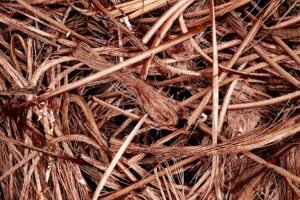
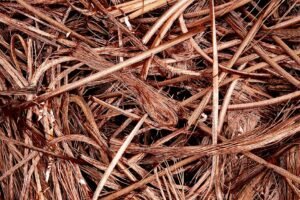
Non-ferrous metals, including copper, aluminum, and brass, command higher prices but require more rigorous sorting. Copper is typically graded by purity, such as ‘Millberry’ (bright, shiny wire) or ‘Candy’ (burnt wire), while aluminum is sorted by series, such as 6063 or 5052 alloys. Contamination is the primary enemy of value; even small amounts of plastic or rubber can downgrade a high-value load. Advanced facilities in Dubai and Abu Dhabi use X-ray fluorescence (XRF) analyzers to determine elemental composition instantly, ensuring that the material exported meets the stringent requirements of international smelters.
The Mechanics of Industrial Recycling
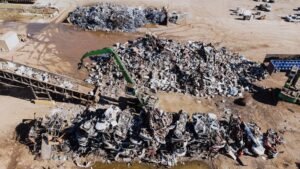
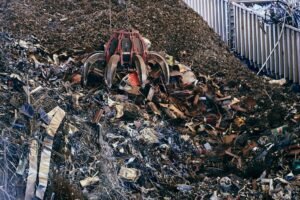
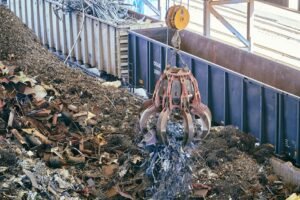
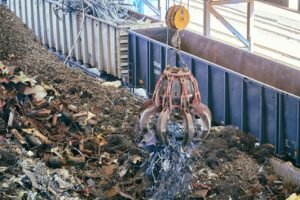
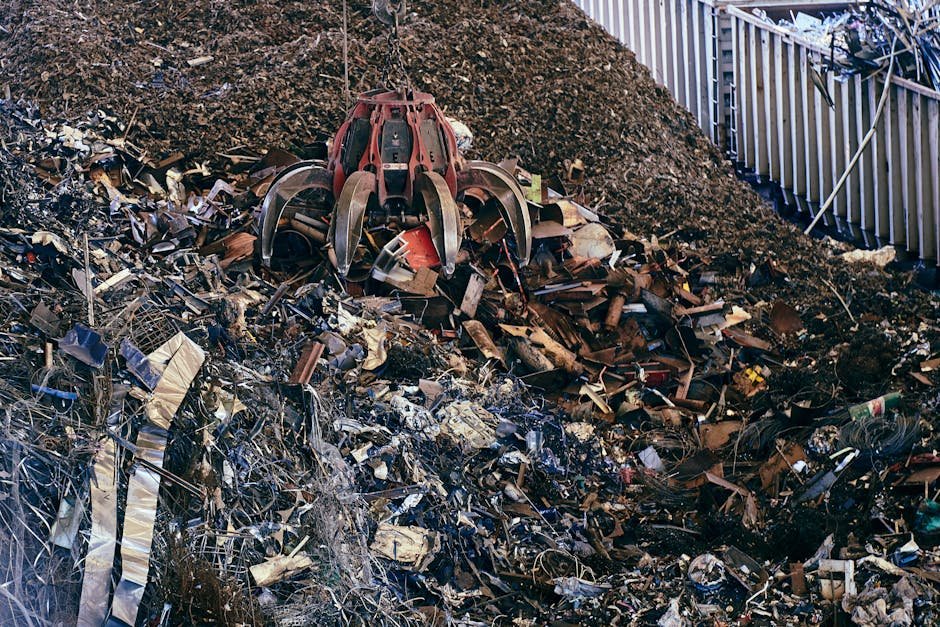
Recycling in the UAE is a sophisticated industrial process. It begins with the collection of demolition debris, end-of-life vehicles, and manufacturing offcuts. Once collected, materials undergo shredding, magnetic separation, and eddy current separation to isolate different metals. This mechanical process is vital for maintaining the integrity of the scrap. For specialized industries, such as aviation, the handling of materials is even more rigorous. Professionals should refer to our Aerospace Scrap Materials Market Guide to understand the high-grade requirements for titanium and specialized alloys that frequently pass through UAE transit hubs.
The recycling workflow also includes a focus on ‘upcycling’—refining scrap to a point where it can be directly fed into furnace operations, bypassing the need for virgin ore. This is particularly relevant for the UAE’s growing aluminum smelting sector. By maintaining a clean, sorted stream, local recyclers contribute to a closed-loop system that drastically reduces energy consumption compared to primary production. The efficiency of this process is often determined by timing; knowing when to hold or sell stock is critical. Learn more about market cycles in our How To Time The Scrap Market For Maximum Profit article.
Logistics and Global Export Strategies
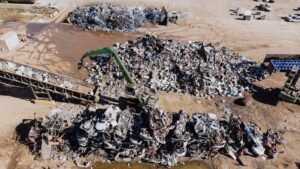
The UAE’s strength lies in its world-class port infrastructure, specifically Jebel Ali. This allows for the seamless consolidation of scrap from across the Middle East and Africa, which is then processed and re-exported to high-demand regions. Exporting is not merely a matter of logistics; it is a regulatory challenge. Traders must navigate customs documentation, environmental compliance, and the Basel Convention regulations regarding the transboundary movement of hazardous waste. For those aiming to penetrate the largest consumer markets, our Exporting Scrap To Asia Market Guide outlines the essential steps for successful cross-border transactions.
Successful exporters often utilize a professional scrap trading platform to connect with verified buyers. By vetting international partners, traders can mitigate the risks of payment defaults and quality disputes. Furthermore, the UAE government’s push for ‘Operation 300bn’ has incentivized the development of local processing plants, encouraging more value-added manufacturing within the country. This shift means that rather than just exporting raw scrap, the UAE is increasingly transforming it into semi-finished products, creating a more resilient domestic market.
Environmental Benefits and Circular Economy
The environmental impact of the scrap industry in the UAE cannot be overstated. Recycling one tonne of steel saves approximately 1,100 kilograms of iron ore, 630 kilograms of coal, and 55 kilograms of limestone. In a region where water and energy resources are precious, the scrap industry acts as a massive conservation engine. By diverting millions of tonnes of industrial waste from landfills, the sector plays a direct role in achieving the UAE’s Net Zero 2050 strategic initiative.
Beyond carbon reduction, the scrap industry promotes resource security. The ability to recover copper, nickel, and cobalt from electronic waste (e-waste) is becoming a strategic priority. These ‘urban mines’ provide the raw materials for the next generation of renewable energy technologies, including solar panels and electric vehicle batteries. Companies that adopt sustainable recycling practices are finding that they not only comply with local regulations but also improve their ESG (Environmental, Social, and Governance) scores, which are increasingly important for securing financing from major banks. For those interested in how these practices translate to other regions, visiting Australian scrap metal recycling experts provides a great comparative perspective on global best practices.
Technological Advancements in Sorting
The future of the UAE scrap market is digital. Artificial Intelligence (AI) and robotics are transforming the sorting floor. Robotic arms equipped with computer vision can now identify and sort metals at speeds and accuracies impossible for human workers. This technology minimizes human error and significantly increases the purity of the final product. Furthermore, blockchain technology is being explored to track the ‘chain of custody’ for scrap materials, providing buyers with a transparent history of where the metal originated and how it was processed. This level of transparency is becoming a requirement for European and North American buyers who demand proof of ethical and sustainable sourcing.
Economic Impact and Future Outlook
The economic contribution of the scrap market to the UAE’s GDP is significant and growing. As the construction and automotive sectors continue to expand, the volume of available scrap will rise, creating new opportunities for secondary processing. The market is also becoming more professionalized, with a shift away from informal collection towards integrated, corporate-led recycling enterprises. This institutionalization is attracting foreign investment and fostering innovation in material recovery techniques. Investors and traders who stay ahead of these trends by monitoring global commodity prices and local policy shifts will find substantial opportunities for growth in the coming decade.
Conclusion: Navigating the Market
The UAE scrap market is a sophisticated, high-stakes environment that rewards those who prioritize quality, logistical efficiency, and regulatory compliance. Whether you are a small-scale collector or a large industrial exporter, the principles remain the same: understand your grades, leverage the latest technology, and maintain strong international partnerships. By aligning with global sustainability goals and investing in advanced processing capabilities, the UAE is cementing its status as a critical node in the global circular economy. Stay informed, stay compliant, and utilize the tools available to ensure your operations are optimized for long-term success.
Frequently Asked Questions
What are the primary factors affecting scrap metal prices in the UAE?
Prices are primarily driven by global commodity indices, demand from major manufacturing hubs in Asia, and the purity levels of the recovered materials. Local logistics costs and current regulatory export taxes also play a significant role in determining final profit margins.
How does the UAE ensure the quality of exported scrap metal?
The UAE utilizes advanced sorting technologies, including XRF analyzers and automated optical sorting, to meet international ISRI standards. Exporters must also provide detailed certificates of analysis to satisfy the requirements of international buyers and customs authorities.
Is there a specific license required to trade scrap metal in the UAE?
Yes, businesses must obtain specific trade licenses from the relevant economic department, such as the Department of Economy and Tourism in Dubai. Additionally, environmental permits from local municipalities are mandatory to ensure the safe handling and processing of industrial waste.
What is the role of the UAE in the global circular economy?
The UAE acts as a major processing and transit hub that diverts millions of tonnes of metal from landfills, reintegrating them into the global supply chain. This supports the country’s Net Zero 2050 goals by reducing the energy-intensive demand for virgin raw material production.