
Navigating your local scrap yard requires more than just showing up with a load of metal; it demands an understanding of metallurgical grades, market pricing, and proper preparation techniques. As the circular economy gains momentum across Australia, the role of these facilities has transitioned from simple collection points to sophisticated processing hubs. Whether you are a trade professional or a household recycler, mastering the nuances of metal classification ensures you receive fair market value while contributing to a sustainable future. If you are searching for a reliable facility, finding a Metal Scrap Yard Near Me is the first step toward optimizing your recycling efforts and maximizing your returns.
The Evolution of the Australian Scrap Industry
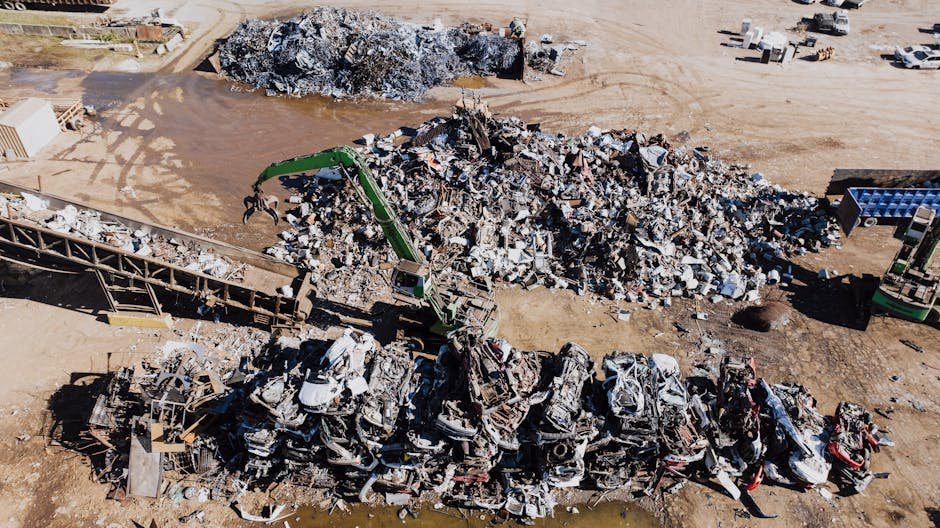
The landscape of the Australian recycling industry is undergoing a massive shift. As we look at Local Scrap Yards In 2026, we see a move toward higher automation, precision sorting, and stringent environmental compliance. Modern facilities are no longer dusty lots; they are high-tech operations utilizing X-ray fluorescence (XRF) analyzers to identify alloys with atomic precision. This technological leap allows facilities like the Crg Scrap Yard to process complex materials that were previously considered landfill-bound. The industry is currently driven by the demand for secondary raw materials, which are essential for decarbonizing the steel and aluminum production sectors. By diverting tons of metal from landfills, the local sector provides a critical buffer against global commodity supply chain disruptions.
Understanding Metal Grades and Classification
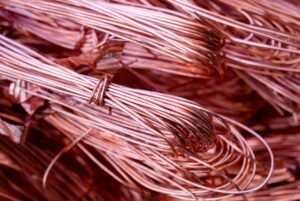
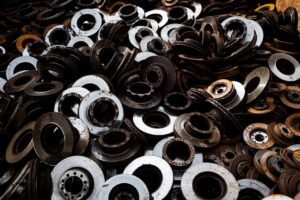
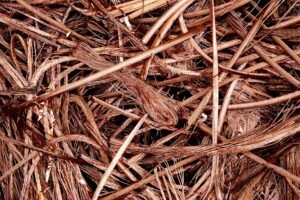
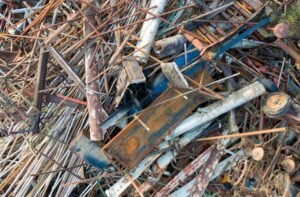
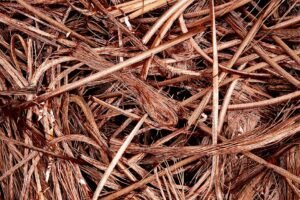
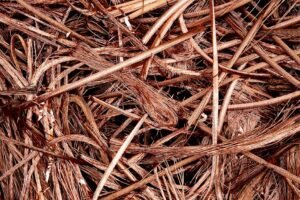
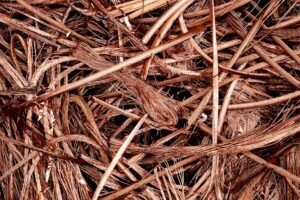
To maximize your profit and efficiency, you must categorize your scrap before arrival. Metals are broadly divided into ferrous and non-ferrous categories. Ferrous metals, such as iron and steel, are magnetic and generally trade at lower volumes but higher weights. Non-ferrous metals, including copper, aluminum, brass, and lead, are highly sought after due to their infinite recyclability without loss of properties. For specific regional insights, refer to our detailed analysis on Scrap Yard Campbelltown: Grades, Recycling, and best practices for preparation. Copper, for example, is graded by purity; ‘bright and shiny’ copper fetches the highest premium, while copper with heavy insulation or oxidation is downgraded. Aluminum is similarly graded by its alloy composition—extruded aluminum (window frames) commands a different price point than cast aluminum (engine blocks). Understanding these distinctions is the primary skill of a successful scrap trader.
The Lifecycle of Recycled Metal
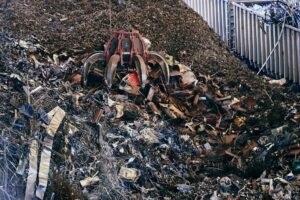
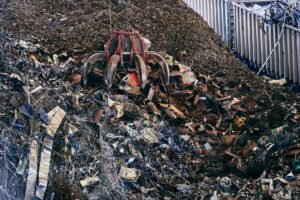
The recycling process is a marvel of industrial efficiency. Once metal arrives at a local scrap yard, it undergoes a rigorous sequence of operations. First, it is weighed on certified scales to establish a baseline. Next, it is sorted—often using magnetic separators for ferrous materials and eddy current separators for non-ferrous items. Shredding is the next phase, where massive machines reduce the metal into ‘shred,’ which is then cleaned of contaminants like plastics, rubber, and glass. This clean material is then compressed into dense bales or briquettes, making it ideal for transport to smelting facilities. By visiting Scrap Trade Australia, you can learn more about the specific downstream processes that transform your scrap into new industrial products. This closed-loop system is essential for maintaining the integrity of our manufacturing sector.
Environmental Benefits and Sustainability
The environmental case for metal recycling is irrefutable. Recycling one tonne of steel saves approximately 1,100 kilograms of iron ore, 630 kilograms of coal, and 55 kilograms of limestone. Furthermore, processing recycled aluminum requires 95% less energy than producing primary aluminum from bauxite ore. This massive energy saving translates to a significant reduction in greenhouse gas emissions. A local scrap yard acts as a guardian of these resources, ensuring that materials are kept in the loop rather than ending up in our oceans or landfills. As environmental regulations tighten, the role of these yards in promoting a circular economy will become even more critical to Australia’s national sustainability targets.
Strategic Preparation Tips for Maximum Value
Preparation is the difference between a mediocre payout and a high-value transaction. Always strip insulation from copper wires if you have the tools, as ‘clean’ copper is significantly more valuable than ‘insulated’ copper. Separate your metals by type before you arrive; mixing steel with aluminum often results in the entire load being downgraded to the lowest common denominator price. Remove non-metallic attachments like plastic handles, rubber seals, or glass from your scrap. If you are dealing with large quantities, invest in a magnet to verify your ferrous loads. Keep your metals dry, as moisture adds weight that does not count toward your payout and can lead to oxidation, which lowers the quality of the material. By treating your scrap as a refined commodity rather than ‘trash,’ you align yourself with the standards expected by professional recycling operations.
Future Trends in Metal Trading
The future of the scrap industry is digital. We are seeing a shift toward real-time pricing transparency and digital tracking of scrap origins, often referred to as ‘digital product passports.’ These systems allow manufacturers to verify the recycled content of the materials they purchase, which is becoming a requirement for green building certifications and government procurement contracts. Additionally, the rise of electric vehicles (EVs) has created a massive new stream of scrap, particularly in the form of lithium-ion batteries and high-grade copper wiring looms. Local facilities are currently upgrading their safety and handling protocols to accommodate these specialized materials. Staying informed about these shifts will ensure you remain competitive in the market, whether you are a hobbyist or a commercial waste manager. For those looking to scale their operations, visit Scrap Trade to stay updated on the latest industry developments and market reports.
Operational Safety and Legal Compliance
Safety is the cornerstone of any reputable scrap yard. When visiting, always wear high-visibility vests, steel-capped boots, and protective gloves. Heavy machinery, moving vehicles, and sharp metal edges present constant hazards. Beyond physical safety, legal compliance is paramount. In Australia, scrap yards are required to keep detailed records of transactions to prevent the trade of stolen goods. Expect to be asked for identification and to provide details about the origin of your scrap. This regulatory framework protects the integrity of the industry and ensures that the recycling sector remains a trusted partner in the community. By adhering to these standards, you contribute to a professional and secure environment that benefits all stakeholders.
Frequently Asked Questions
How do I know if my metal is ferrous or non-ferrous?
The simplest test is to use a magnet. If the magnet sticks to the metal, it is ferrous (iron or steel); if it does not, it is non-ferrous, such as copper, aluminum, or brass.
Why is it important to separate my scrap before arriving at the yard?
Mixing different grades of metal often results in the entire load being valued at the price of the lowest-grade material. Sorting your scrap ensures you receive the highest possible price for each specific type of metal.
What documentation do I need to sell scrap metal?
Most Australian scrap yards require a valid government-issued photo ID, such as a driver’s license, to process payments. This is a legal requirement to ensure transparency and prevent the sale of stolen property.
Does the condition of the metal affect the price?
Yes, cleanliness is a primary factor in pricing. Metals that are free of contaminants like plastic, rubber, insulation, or heavy rust are considered ‘clean’ and command a significantly higher market price than dirty or mixed scrap.