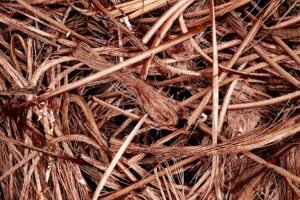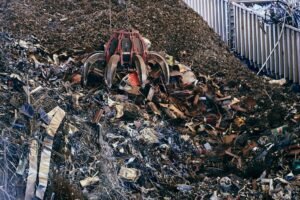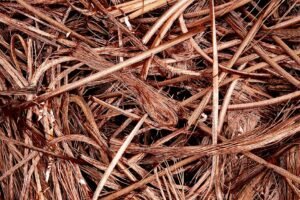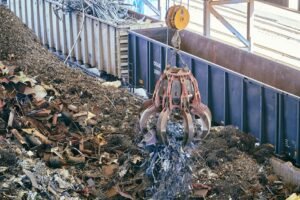

For industrial contractors, plumbers, and local tradespeople, artarmon brass recycling represents a significant opportunity to turn waste into profit while supporting the circular economy. Brass is one of the most valuable non-ferrous metals found in construction and demolition sites, and understanding how to process it correctly is essential for any professional looking to optimize their scrap metal returns.
Understanding the Value of Brass in the Scrap Market
Brass is an alloy primarily composed of copper and zinc. Its versatility, corrosion resistance, and aesthetic appeal make it a staple in plumbing, electrical, and decorative hardware. In the context of artarmon brass recycling, distinguishing between different grades of brass is the single most important factor in determining the final payout. When you visit a facility for Metal Recycling Near Me, the yard operator will assess your material based on its purity, cleanliness, and alloy composition.
Yellow brass is the most common form encountered in the industry. It typically contains roughly 60-70% copper and 30-40% zinc. Because it is so ubiquitous—found in faucets, valves, and various brass fittings—it is the primary driver of the scrap market. However, you must be careful with contaminants. Steel screws, rubber washers, or plastic components attached to your brass will downgrade your material, leading to a lower brass price per kg. By cleaning your scrap before arriving at a collection point, you ensure that you are paid for premium material rather than mixed-grade scrap.
Identifying and Sorting Your Scrap Metal
Effective recycling begins with accurate identification. Many people confuse bronze with brass, or even copper-plated steel with solid brass. To test your scrap, use a magnet. Brass is non-ferrous and will not attract a magnet. If your item sticks, it is likely steel or iron, which drastically reduces its value. For those searching for Scrap Metal Recycling Near Me, arriving with pre-sorted loads is the best way to expedite the weighing process and ensure transparency.
When dealing with brass pipe, look for the specific golden or reddish-yellow hue. If the metal is dull or shows signs of heavy oxidation, it may still be valuable, but it is worth cleaning the surface to verify the alloy underneath. In Artarmon, local scrap yards prioritize clean loads that are free from lead, glass, or excessive grease. If you are a regular trader, participating in the Recycling Community can provide you with real-time insights into market fluctuations and local demand for specific brass grades.
Maximizing Your Returns: The Brass Price per kg
The brass price per kg is not static; it fluctuates based on global copper prices, manufacturing demand, and the strength of the Australian dollar. To stay ahead, you need to monitor these trends. High-quality yellow brass will always command a higher price than contaminated or ‘dirty’ brass. If you have large quantities of brass fittings, consider separating them from larger pipes, as some yards have specific pricing tiers for small components versus heavy industrial-grade piping.
Professional recyclers often use a scrap metal trading platform to track historical data and predict price movements. By selling when the market is high, you can increase your profit margins by significant percentages. Furthermore, if you are also managing other materials, such as aluminium, you might want to look into aluminium recycling artarmon to consolidate your logistics and reduce transportation costs. Efficiency in logistics is just as important as the price per kg when calculating your net profit.
Logistics and Facilities in the Artarmon Area
Artarmon is a hub for industrial activity, making it a strategic location for scrap metal management. When looking for artarmon brass recycling services, proximity is key to minimizing fuel consumption and time spent in traffic. A professional facility will offer accurate weighing scales, which should be certified and visible to the customer. Transparency in weighing is a hallmark of a reputable buyer.
If you are new to the industry, you can find comprehensive resources on the scrap trade website to help you understand how to prepare your site for scrap removal. Large-scale contractors often require bin services, where the recycling facility drops off a skip bin at your site. Once filled with brass and other non-ferrous metals, the facility collects it, weighs it, and processes the payment. This ‘set-and-forget’ model is ideal for construction sites where safety and space management are priorities.
Environmental Impact and the Circular Economy
Recycling brass is an environmentally responsible choice that saves significant energy compared to primary production. Extracting and refining copper and zinc from raw ore is an energy-intensive process that leaves a massive carbon footprint. By contrast, melting down scrap brass requires a fraction of that energy. When you choose to recycle, you are directly contributing to the conservation of natural resources and reducing the volume of waste sent to landfills.
Furthermore, brass is infinitely recyclable. It can be melted down and re-cast into new brass fittings, musical instruments, or architectural hardware without losing its fundamental properties. This makes it a perfect candidate for the circular economy. By engaging with local recycling initiatives, you are not just making money; you are participating in a global effort to reduce industrial waste and promote sustainability in the Sydney region.
Common Pitfalls in Scrap Trading
One of the most common mistakes beginners make is failing to account for ‘dirty’ scrap. If you bring a load of brass that is heavily contaminated with steel or plastic, the yard will either reject the load or apply a significant ‘dirty’ deduction. Always take the time to strip away non-metal components. Use a grinder or basic hand tools to remove steel screws or plastic inserts from your brass pipe collections. A few minutes of extra work can be the difference between a standard payout and a premium one.
Another pitfall is ignoring the importance of documentation. If you are selling large volumes of scrap, keep records of your sales. This helps you track your income and understand which materials are providing the best return on investment. For those looking for specific local services, checking the listing for brass recycling artarmon will provide you with contact details for reputable local buyers who handle high-volume commercial accounts.
Advanced Tips for Industrial Scrap Management
For large-scale operations, scrap management should be an integrated part of your workflow. Implement a color-coded bin system on your site: one for copper, one for brass, one for aluminium, and one for steel. This prevents cross-contamination and ensures that your scrap is ready for the yard the moment it is collected. When your team is trained to sort at the source, you reduce the labor costs associated with post-collection sorting.
Additionally, keep an eye on the global copper market. Since brass is largely copper, its value is tethered to the copper exchange. If you see a major dip in copper prices, it might be wise to hold onto your scrap for a few weeks if you have the storage space. Conversely, if prices are peaking, it is the perfect time to clear out your inventory. Utilizing digital tools to receive price alerts can help you time your sales for maximum profit.
The Future of Metal Recycling in Sydney
The landscape of metal recycling is changing. With increasing regulations regarding waste management and a growing emphasis on sustainability, the industry is becoming more professional and tech-driven. We are seeing more integration between scrap yards and digital platforms, making it easier for traders to get quotes, schedule pickups, and access market data. As a participant in this industry, staying informed is your greatest asset.
Whether you are a small-time collector or a large demolition contractor, the principles of successful recycling remain the same: sort your materials, clean your scrap, monitor the market, and build relationships with reliable buyers. By following these guidelines, you ensure that your contribution to artarmon brass recycling is both profitable and sustainable for years to come.
Conclusion: Taking Action Today
Recycling brass is a smart business decision that benefits both your bottom line and the environment. By mastering the nuances of material identification, market timing, and proper sorting, you can transform scrap metal into a reliable revenue stream. Artarmon offers excellent infrastructure for this activity, and by leveraging the resources available through trusted industry networks, you can streamline your operations and maximize your returns. Start by cleaning your current stock, checking the latest brass price per kg, and contacting a reputable buyer to schedule your next drop-off or pickup. Your commitment to proper recycling practices helps maintain the integrity of the industry and ensures a cleaner, more efficient future for all.
Frequently Asked Questions
How do I know if my scrap is actually brass?
Use a magnet to test the metal; brass is non-ferrous and will not be attracted to the magnet. Additionally, brass typically has a distinct golden or yellowish hue, whereas bronze is more reddish-brown.
What is considered ‘dirty’ brass in a scrap yard?
Dirty brass refers to items that have non-metallic attachments like rubber washers, plastic handles, steel screws, or excessive grease. Cleaning these materials before selling significantly increases the value of your scrap.
Does the brass price per kg change daily?
Yes, the price of brass fluctuates based on global copper market trends, supply and demand, and currency exchange rates. It is recommended to check current rates with your local recycler before finalizing a large sale.
Why is it important to sort my scrap before visiting a yard?
Sorting your scrap ensures you get the highest possible price for each specific metal grade. Mixed loads are often paid at the ‘lowest common denominator’ rate, meaning you lose money on your high-value brass.