
Navigating the complex world of metal recycling requires a deep understanding of the industry. Whether you are an industrial manufacturer, a construction contractor, or a private individual looking to scrap dealer services, the process of recovering value from waste is both an economic opportunity and an environmental necessity. As global demand for raw materials increases, the role of a certified scrap dealer has shifted from simple waste management to a critical link in the global circular economy. If you are searching for a scrap dealer near me, it is essential to partner with an organization that prioritizes transparency, safety, and sustainable processing standards.
Understanding the Fundamentals of the Scrap Trade
To truly grasp the industry, one must first understand What Is Scrap Trade. At its core, this industry is the backbone of metal manufacturing. Unlike primary production, which involves mining and refining ore—an energy-intensive and environmentally destructive process—recycling scrap metal requires significantly less energy. For instance, recycling aluminum saves approximately 95% of the energy required to produce it from bauxite ore. A professional scrap dealer acts as an aggregator, collecting disparate materials, sorting them by chemical composition, and preparing them for smelters.
The industry is global, and while we operate locally in Australia, we often look at international trends to understand market fluctuations. For example, the market for a Scrap Dealer India network provides insight into how developing economies handle high-volume metal recovery. In Australia, the standards are strictly regulated by environmental protection agencies, ensuring that hazardous materials are handled correctly. When you decide to Sell Scrap, you are not just clearing space; you are contributing to a global supply chain that keeps industries running without depleting virgin natural resources.
Comprehensive Guide to Metal Scrap Grades
The value of your scrap is determined by its grade. A reputable scrap metal dealer will always grade your material based on purity, weight, and market demand. Understanding these grades is the best way to ensure you are getting a fair price.
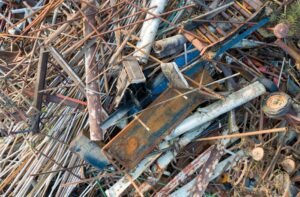
- Ferrous Metals: These contain iron and are magnetic. Common examples include steel, cast iron, and wrought iron. Because of their abundance, they are generally lower in price per kilogram but are recycled in massive volumes.
- Non-Ferrous Metals: These do not contain iron and include copper, aluminum, brass, lead, and stainless steel. These are highly valuable due to their conductivity, corrosion resistance, and relative scarcity.
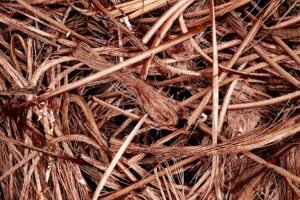
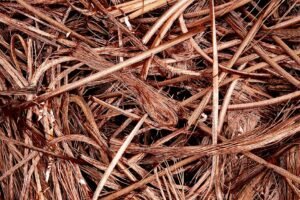
- Copper Grades: Copper is the gold standard of the scrap world. “Bare Bright” copper (uninsulated, clean, and shiny) fetches the highest prices. Number 1 and Number 2 copper follow, depending on the presence of solder, paint, or oxidation.
- Aluminum Grades: Aluminum is categorized by its application, such as cast aluminum, extruded aluminum (window frames), and sheet aluminum.
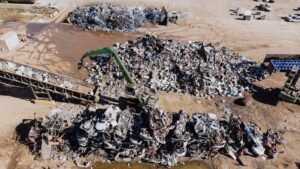
When you visit a professional metal recycling facility, you will notice that the sorting process is rigorous. Contamination is the enemy of recycling. If a batch of high-grade copper is mixed with steel, the entire load may be downgraded. This is why commercial scrap providers often use X-ray fluorescence (XRF) analyzers to determine the exact alloy composition of a piece of metal.
How the Recycling Process Works: From Collection to Melt
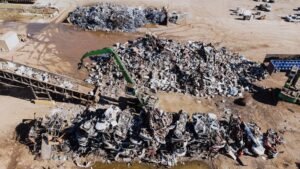
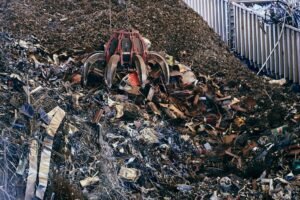
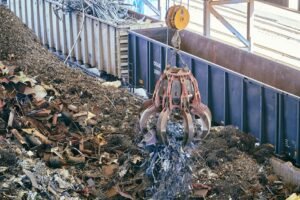
The journey of a piece of scrap metal from your site to a finished product involves several sophisticated stages. It begins with the collection phase, where a scrap recycling platform coordinates logistics to pick up bulk materials. Once the material reaches the yard, the following steps occur:
- Sorting and Separation: Using magnets, eddy current separators, and manual inspection, the dealer separates ferrous from non-ferrous materials.
- Processing: Large items are sheared, shredded, or baled to reduce volume. This makes transportation to smelters more efficient.
- Cleaning: Any attachments, such as plastic insulation on wires or rubber on steel, are removed.
- Melting and Refining: The processed scrap is sent to furnaces where it is melted down. Because metals can be recycled indefinitely without losing their properties, this molten metal is cast into ingots, which are then sold to manufacturers to create new products.
This closed-loop system is why the scrap industry is so vital. We reduce the need for landfills and decrease the carbon footprint of the manufacturing sector. By choosing to work with an experienced dealer, you ensure that your materials are processed through these certified channels rather than ending up in a skip bin destined for a landfill.
Environmental Benefits of Metal Recycling
The environmental impact of recycling cannot be overstated. Mining is one of the most resource-intensive industries on the planet. By recycling, we mitigate the following:
- Energy Consumption: As mentioned, recycling aluminum uses 95% less energy than primary production. For steel, the savings are around 75%.
- Greenhouse Gas Emissions: Less energy used in production means fewer fossil fuels burned, resulting in a significant reduction in CO2 emissions.
- Land Use and Habitat Destruction: Mining operations require massive tracts of land, often leading to deforestation and the displacement of wildlife. Recycling reduces the pressure to open new mines.
- Water Usage: The refining of ore requires vast amounts of water. Metal recycling is a relatively dry process by comparison.
Every tonne of steel recycled saves over a tonne of iron ore, 630 kg of coal, and 55 kg of limestone. When you choose to recycle, you are actively participating in a sustainable future. It is a simple act with a massive cumulative effect on our planet’s health.
Practical Tips for Maximizing Your Scrap Returns
If you are looking to get the best value for your scrap, organization is key. Here are some expert tips to prepare your materials before heading to the yard:
- Segregate Your Metals: Never mix your copper with your steel. If you have a large volume, keep different grades in separate, clearly labeled bins.
- Remove Non-Metal Attachments: If you have an old appliance, removing the plastic casing, rubber seals, or glass will increase the value of the metal content.
- Strip Your Wires: While some yards accept insulated wire, stripping it to get to the bare copper will significantly increase the price per kilogram.
- Keep It Clean: Dirt, oil, and debris add weight that you aren’t being paid for, and they contaminate the load. A clean load is always easier to process and faster to weigh.
- Know the Market: Metal prices fluctuate daily based on the London Metal Exchange (LME). Check current rates before selling large volumes.
Building a relationship with a trusted dealer is also crucial. A long-term partner will provide you with accurate scales, fair grading, and consistent pricing, even when the market is volatile.
Safety and Compliance in the Scrap Industry
Safety is the top priority in any professional scrap yard. Handling heavy metals, operating machinery, and managing hazardous waste requires strict adherence to safety protocols. When you visit a facility, always follow the site rules, wear high-visibility clothing, and stay within designated walkways. Furthermore, compliance with environmental regulations is non-negotiable. A legitimate dealer will have the necessary licenses to handle and dispose of potentially hazardous items like lead-acid batteries or gas cylinders. If a dealer offers to take items without asking questions about their source or composition, it is a red flag. Always choose a partner who operates with integrity and full regulatory compliance.
The Future of the Scrap Industry
The future of the scrap trade is digital and transparent. We are moving toward a world where every piece of scrap can be tracked from its point of origin to its end use. Technologies like blockchain are being explored to ensure the provenance of recycled materials, which is increasingly important for manufacturers who want to prove their products are made from sustainable, recycled content. As we look ahead, the demand for high-quality scrap will only continue to rise. Electric vehicles, renewable energy infrastructure, and advanced electronics all require vast amounts of copper, aluminum, and rare earth metals. The scrap industry will be the primary provider of these materials, ensuring that we can build the technology of tomorrow without exhausting the Earth’s finite resources.
Conclusion: Why Partnering with the Right Dealer Matters
Choosing the right scrap dealer is about more than just finding the highest price; it is about finding a partner who understands the value of your materials and the importance of sustainable practice. By choosing a professional, you ensure that your waste is handled with the highest level of care, maximizing your financial return while minimizing your environmental impact. Whether you are a small business owner or a large industrial entity, the principles of proper sorting, cleaning, and responsible disposal remain the same. Start by assessing your waste streams today, and reach out to a professional who can help you turn your scrap into a valuable asset. The circular economy starts with you, and with the right partner, you can make a meaningful difference in the global supply chain.
Frequently Asked Questions
How do I know if my metal is ferrous or non-ferrous?
The easiest way is to use a magnet. If the magnet sticks to the metal, it is a ferrous metal like steel or iron; if it does not stick, it is a non-ferrous metal such as copper, aluminum, or brass.
Why do scrap metal prices change so often?
Scrap metal prices are tied to global commodity markets, specifically the London Metal Exchange. Factors like supply and demand, currency fluctuations, and manufacturing output cause these prices to shift daily.
Can I recycle items with plastic or rubber attached?
While some scrap yards accept items with attachments, you will get a much better price if you remove them. Contaminants like plastic and rubber make the recycling process more difficult and lower the overall grade of the metal.
What items are generally not accepted by scrap dealers?
Most dealers will not accept hazardous materials such as radioactive waste, asbestos, sealed containers like fire extinguishers that haven’t been purged, or items containing PCBs. Always check with your local yard before bringing in questionable materials.