
Navigating the landscape of an industrial scrap yard requires more than just a basic understanding of metal types; it demands a strategic approach to material management and market timing. Whether you are a manufacturing firm looking to offload production waste or a contractor clearing a site, understanding how these facilities operate is the first step toward maximizing the value of your assets. As a professional metal recycler, we provide the infrastructure necessary to bridge the gap between waste generation and sustainable manufacturing.
Understanding the Industrial Scrap Yard Ecosystem
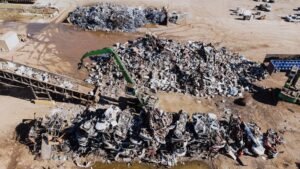
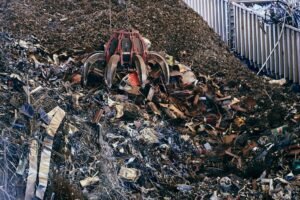
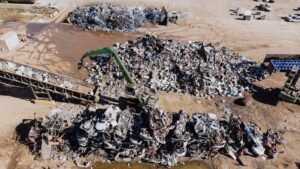
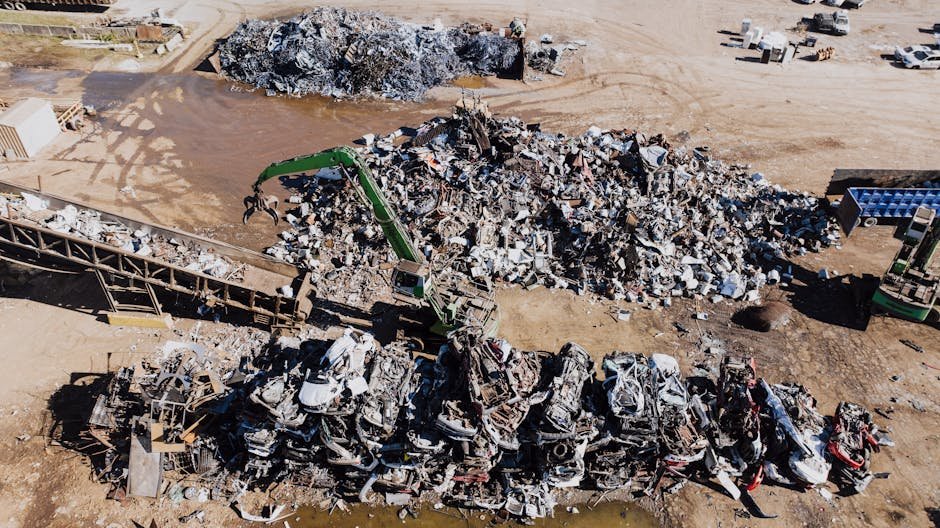
The modern industrial scrap yard functions as the backbone of the circular economy. Unlike residential drop-off points, these facilities are engineered to handle high-volume, high-density materials—from structural steel beams to complex copper alloys. When you engage with a professional facility, you aren’t just dumping waste; you are participating in a sophisticated supply chain. Many businesses find that partnering with a reliable Metal Scrap Yard Near Me allows them to streamline their logistics and ensure that materials are processed according to international quality standards.
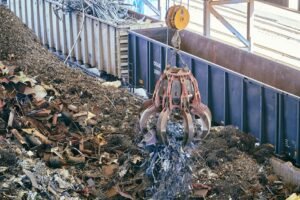
Processing at these sites involves a rigorous sequence of sorting, shearing, torching, and baling. This preparation is critical because mills and foundries require specific chemical compositions and physical dimensions to maintain their furnace efficiency. By utilizing an Industrial Scrap Trading Platform B2b Marketplace, businesses can gain real-time visibility into market pricing, ensuring that every tonne of scrap contributes to their bottom line rather than becoming a disposal cost.
Decoding Metal Grades: Ferrous vs. Non-Ferrous
To succeed in scrap trading, one must master the classification of metals. The industry is broadly divided into two categories: ferrous and non-ferrous, each with its own market dynamics and processing requirements.
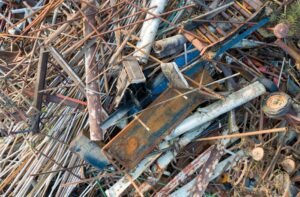
- Ferrous Metals: These contain iron and are magnetic. Common grades include HMS (Heavy Melting Steel) 1 & 2, plate and structural steel, and turnings or borings. These are the workhorses of the construction and automotive industries.
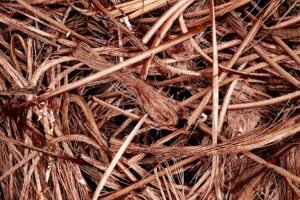
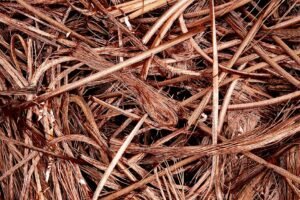
- Non-Ferrous Metals: These do not contain iron and are generally more valuable due to their scarcity and infinite recyclability. Key grades include copper (No. 1 bright wire, No. 2 copper), aluminium (extrusions, cast, sheet), stainless steel (304, 316), and brass.
At a high-capacity Crg Scrap Yard, advanced analytical tools like X-ray fluorescence (XRF) scanners are used to verify the elemental composition of these metals. This ensures that the purity levels meet the stringent requirements of the end-user, whether it be a domestic foundry or an international export buyer.
The Mechanics of Metal Recycling: From Site to Smelter
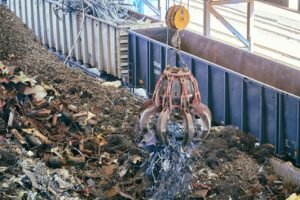
The journey of a piece of scrap metal is a marvel of industrial engineering. It begins at the point of origin, where segregation is key. Contamination—such as plastic, rubber, or hazardous fluids—can drastically reduce the value of a load. Once the material arrives at a professional recycling depot, it undergoes a multi-stage transformation:
- Inspection and Weighing: Vehicles are weighed on certified weighbridges to establish a baseline for payment.
- Sorting and Separation: Using magnetic separators for ferrous metals and eddy current separators for non-ferrous metals, the facility strips away impurities.
- Size Reduction: Shredders and hydraulic shears break down massive industrial structures into furnace-ready pieces.
- Baling: Loose materials are compressed into dense cubes, making them easier to transport and store.
For those located in specific industrial hubs, specialized facilities like the scrap yard minto offer localized solutions that reduce transport costs and carbon footprints, proving that proximity to processing infrastructure is a vital component of operational efficiency.
Environmental Benefits and the Circular Economy
The environmental case for utilizing an industrial scrap yard is overwhelming. Recycling metal consumes significantly less energy than extracting virgin ore. For instance, recycling aluminium saves approximately 95% of the energy required to produce it from bauxite. By keeping these materials in the cycle, we reduce the need for destructive mining practices and decrease the greenhouse gas emissions associated with primary smelting.
Furthermore, metal is infinitely recyclable; it does not lose its physical properties through the recycling process. This means that a steel beam recycled today could become a component in a new vehicle or a piece of infrastructure tomorrow. This circularity is the cornerstone of sustainable industrial development in Australia, and businesses that prioritize scrap recovery are increasingly recognized for their commitment to ESG (Environmental, Social, and Governance) goals.
Strategic Trading: How to Buy and Sell Effectively
Whether you are looking to source raw materials or offload excess inventory, the ability to industrial scrap for sale is a critical business skill. The market is volatile, influenced by global demand, currency fluctuations, and geopolitical events. To navigate this, savvy operators use digital platforms to track price trends.
For smaller operators or those with specialized needs, a walk-in service can provide immediate liquidity. However, for large-scale industrial players, long-term contracts and dedicated logistics management are preferred. By leveraging a centralized platform, you can compare offers from multiple buyers and sellers, ensuring that you are always getting the best market rate for your specific grade of material.
Operational Excellence: Best Practices for Scrap Management
To maximize returns, your internal scrap management processes must be as disciplined as your production processes. Here are three practical tips for industrial sites:
- Source Segregation: Train your staff to separate metals at the source. Mixing copper with steel, or different grades of aluminium, will result in a lower “mixed” price rather than the premium price of a pure grade.
- Cleanliness Matters: Remove non-metallic attachments like bolts, plastic housing, or hydraulic hoses. The cleaner the material, the higher the grade.
- Logistics Planning: Coordinate your scrap removal with your production schedule. Efficient bin rotation and timely collections prevent site clutter and safety hazards, while also reducing the frequency of transport, which lowers your logistics costs.
The Future of Metal Recycling in Australia
The Australian scrap industry is currently undergoing a digital transformation. The integration of IoT, blockchain for material tracking, and advanced AI for sorting is making the industry more transparent and efficient than ever before. As we move toward a greener future, the role of the industrial scrap yard will only grow in importance. By embracing these technologies and maintaining strict adherence to quality standards, Australian businesses can position themselves as leaders in the global supply chain, turning waste into wealth and ensuring a sustainable future for the next generation.
Conclusion: Partnering for Success
Choosing the right partner for your scrap metal needs is a strategic decision that impacts your bottom line and your environmental footprint. Whether you are searching for a reliable Crg Scrap Yard or exploring the benefits of an Industrial Scrap Trading Platform B2b Marketplace, the goal remains the same: efficient, transparent, and sustainable material recovery. By understanding the grades, optimizing your onsite practices, and staying informed about market conditions, you can turn your industrial scrap into a consistent revenue stream. Remember, every tonne of metal recovered is a step toward a more efficient industrial sector. Start by auditing your current scrap generation and identifying the most valuable streams, then connect with a professional metal recycler to begin your journey toward optimized resource management.
Frequently Asked Questions
Frequently Asked Questions
What is the difference between ferrous and non-ferrous scrap?
Ferrous metals contain iron and are magnetic, such as steel and iron. Non-ferrous metals do not contain iron and are non-magnetic, including valuable materials like copper, aluminium, brass, and stainless steel.
How can I get the best price for my industrial scrap?
To maximize your returns, ensure your scrap is properly segregated by grade and free from contamination like plastic, rubber, or dirt. Using a professional trading platform helps you track market prices to sell when demand is high.
Why is it important to use a certified recycling depot?
Certified depots adhere to environmental regulations and safety standards, ensuring that hazardous materials are handled correctly. They also provide accurate weighing and grading, which is essential for fair payment.
Can I bring my scrap directly to an industrial yard?
Many industrial yards offer walk-in services for smaller quantities, but it is always best to contact the facility beforehand. This ensures they accept your specific material type and allows you to confirm their current operating hours and weighbridge requirements.