
When you’re ready to turn unwanted copper into cash, understanding how scrap copper buyers operate is essential for getting the best return and complying with Australian regulations.
1. Overview of the Australian Scrap Copper Market
Australia’s scrap copper market is driven by a strong construction sector, extensive electrical infrastructure and a growing emphasis on circular economy practices. According to the Australian Bureau of Statistics, more than 150,000 tonnes of copper are processed annually, with a significant portion originating from post‑consumer and post‑industrial sources.
Key players include large metal recycling firms, regional scrap yards and specialised metal buyers who focus exclusively on copper. These entities compete on price, service speed and compliance credentials. For sellers, the most reliable source of up‑to‑date information is the Scrap Copper hub, which aggregates current market trends and buyer listings.
2. How to Identify Trusted Scrap Copper Buyers
Not every metal buyer offers the same level of trustworthiness. Follow these criteria to vet a potential partner:
- Licensing and accreditation: Verify that the buyer holds an Australian Business Number (ABN) and is a member of the Australian Scrap Metal Association (ASMA). Membership indicates adherence to ethical sourcing and environmental standards.
- Transparent pricing: Reputable buyers publish daily or weekly copper scrap price per kg and explain the factors influencing price fluctuations.
- Track record: Look for customer testimonials, case studies or references from local businesses. A buyer that openly shares its processing facilities and audit reports is less likely to engage in illegal dumping.
- Convenient logistics: Many trusted buyers provide on‑site collection, scheduled pick‑ups or a network of drop‑off points, reducing transport costs for sellers.
For a curated list of vetted buyers, the Copper Scrap Group offers a directory of ASMA‑registered members across New South Wales, Victoria, Queensland and Western Australia.
3. Understanding Copper Grades and Their Impact on Pricing
Copper is not a single commodity; it is classified by purity, form and preparation method. The most common grades you’ll encounter are:
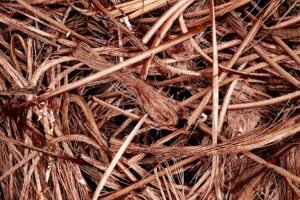
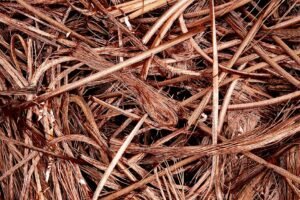
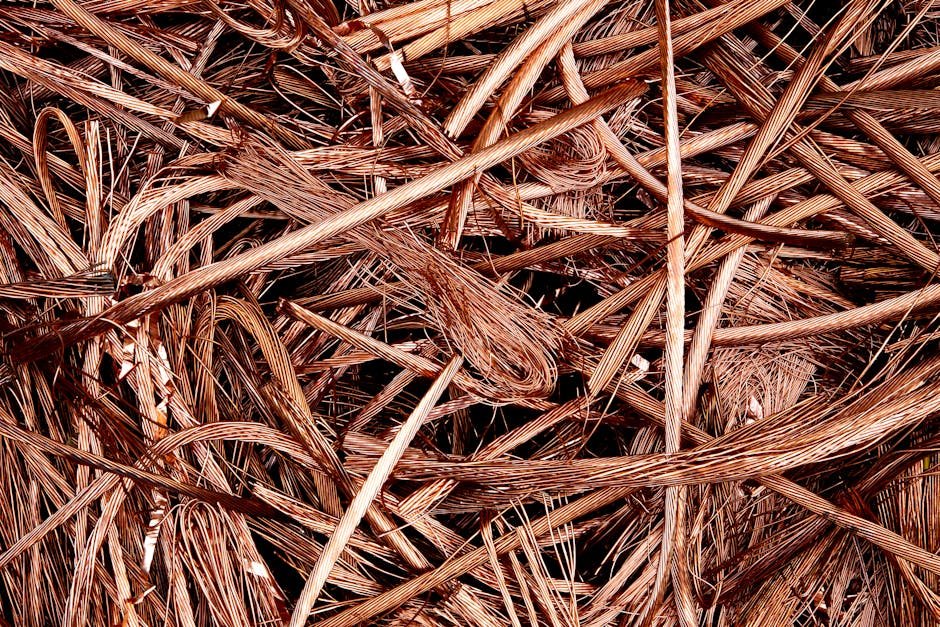
- Bare bright copper: Untreated copper with a bright, shiny surface, typically harvested from new‑construction wiring. This grade commands the highest price because it requires minimal processing.
- Number 2 copper: Also known as #2 or #2 grade, this includes copper that has been stripped of insulation but may contain minor contaminants such as brass or steel. It is still valuable but priced slightly lower than bare bright copper.
- Copper wire: Includes insulated or uninsulated wire. Insulated wire is stripped before sale; the stripping process can affect the final price depending on labor costs.
- Copper pipe: Often sourced from plumbing projects. Pipe may contain solder or fittings that must be removed, influencing the grade classification.
- Mixed scrap: A blend of copper with other metals (e.g., aluminium, steel). Buyers will separate the copper, which reduces the offered price.
Accurate grading is vital because buyers calculate offers based on the weight of each grade multiplied by the current Scrap Copper Prices Near Me. Mis‑grading can lead to lower payouts or even rejection of the load.
4. The Pricing Mechanism: Copper Price per Kg and Market Factors
The baseline for any offer is the global copper price, quoted in US dollars per tonne on the London Metal Exchange (LME). Australian buyers convert this figure to Australian dollars and then to a per‑kilogram rate, adjusting for:
- Exchange rates: Fluctuations between USD and AUD directly affect the local price.
- Domestic supply/demand: Construction booms in Sydney or Melbourne can raise local demand, increasing the price per kg.
- Purity premium: Bare bright copper may receive a 5‑10% premium over standard grades.
- Processing costs: Stripping, shredding and smelting expenses are deducted before the final offer.
Because these variables change daily, most buyers update their rates in real time. For the most accurate figure, consult the copper scrap price per kg page, which aggregates live pricing from multiple sources.
5. Step‑by‑Step Process for Selling Scrap Copper
Following a clear workflow ensures you receive a fair price and stay compliant with environmental regulations:
- Gather and sort: Separate copper by grade (bare bright, #2, wire, pipe). Remove non‑copper attachments such as steel clamps or brass fittings.
- Weigh accurately: Use a calibrated industrial scale. Record the weight for each grade; most buyers require documentation for audit purposes.
- Obtain quotes: Contact at least three vetted buyers. Provide details on grade, weight and location. Use the online quote tool on the Scrap Trade platform for instant estimates.
- Schedule collection or drop‑off: Choose the buyer offering the best net price after accounting for transport costs. Many buyers offer free pick‑up for loads over a certain threshold.
- Complete paperwork: Sign a sales agreement that outlines the price per kg, total weight, and any deductions. Retain a copy for tax records.
- Receive payment: Most reputable buyers pay via bank transfer within 24‑48 hours of delivery. Some offer instant cash for smaller loads.
Throughout the process, maintain clear communication with the buyer and keep records of each transaction. This practice not only protects you financially but also builds a reputation that can lead to better offers in the future.
6. Environmental Benefits of Copper Recycling
Copper recycling is a cornerstone of Australia’s sustainability agenda. The environmental advantages include:
- Energy savings: Recycling copper uses up to 85% less energy than extracting primary copper from ore, reducing greenhouse‑gas emissions.
- Resource conservation: Each tonne of recycled copper saves approximately 1.5 million kg of ore, conserving land and water resources.
- Reduced landfill waste: Diverting copper from landfill prevents soil and water contamination from metal leaching.
- Circular economy support: Recycled copper re‑enters the supply chain, supporting industries ranging from renewable energy to telecommunications.
By selling scrap copper to an accredited metal buyer, you contribute directly to these environmental outcomes. Many buyers also provide certificates of recycling that can be used for corporate sustainability reporting.
7. Practical Tips for Maximising Returns
Implement these strategies to ensure you get the highest possible payout:
- Stay informed: Monitor the LME copper price and local market news weekly. Prices can swing 5‑10% within a month.
- Maintain cleanliness: Clean copper wire of insulation and remove oil or grease from pipe. Cleaner material reduces processing costs and improves the offered price.
- Bundle loads: Larger, well‑sorted loads often qualify for premium rates and free collection.
- Leverage relationships: Building a long‑term relationship with a trusted buyer can unlock loyalty discounts or early‑payment incentives.
- Consider timing: Prices typically peak during construction season (September–March) and dip during the holiday period.
For additional guidance on related metals, explore our article on scrap lead buyers. Understanding the broader metals market can help you diversify and optimise your scrap portfolio.
Ready to start selling? Visit ScrapTrade Australia for a nationwide network of licensed buyers and instant pricing tools.
Frequently Asked Questions
What documentation is required when selling scrap copper?
Buyers typically ask for a valid ABN, proof of ownership for the material, and a weight ticket from a calibrated scale. Providing a sales agreement and a recycling certificate can also streamline payment.
How often do scrap copper prices change?
Prices are updated daily to reflect changes in the LME copper price, exchange rates and local demand. Checking the latest rates on a reputable platform before each sale ensures you receive a fair offer.
Can I sell mixed copper scrap without sorting?
Yes, but mixed scrap receives a lower price because the buyer must separate and clean the copper. Sorting by grade before delivery maximises your net revenue.
Is copper recycling environmentally beneficial?
Absolutely. Recycling copper saves up to 85% of the energy required for primary production, reduces landfill waste, and conserves natural resources, supporting Australia’s circular economy goals.