
If you are looking for professional scrap copper recycling Merrylands services, you have come to the right place. Copper is one of the most valuable non-ferrous metals in the global economy, and its infinite recyclability makes it a cornerstone of sustainable industrial practices in Australia. Whether you are a local tradesperson, a demolition contractor, or a homeowner clearing out a renovation site, understanding how to grade, prepare, and trade your copper can significantly impact your bottom line. As part of our commitment to the local industry, we provide this comprehensive resource to help you navigate the complexities of metal recycling.
Understanding Copper Grades: Maximizing Your Return
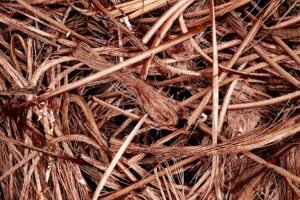
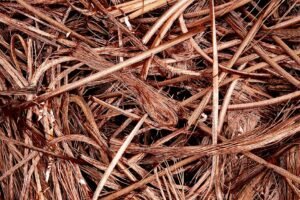
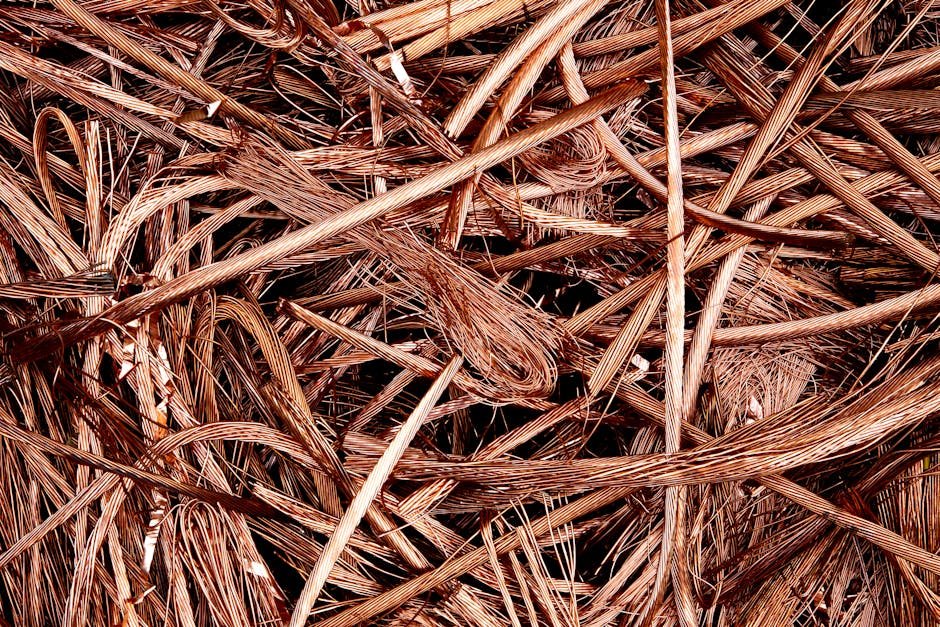
To get the best copper price per kg, you must understand how scrap yards grade materials. Copper is not a one-size-fits-all commodity; its value is determined by its purity, oxidation levels, and the presence of contaminants like plastic, solder, or other metals. The most sought-after grade is bare bright copper, which consists of clean, unalloyed, uncoated, and uninsulated copper wire that is at least 16 gauge in thickness. This material is highly prized because it requires minimal processing before it can be melted down.
Moving down the scale, we encounter number 2 copper. This category includes copper wire that has been burnt, contains slight oxidation, or has minor impurities. While it commands a lower price than bare bright, it remains a high-value scrap item. Understanding these distinctions is vital for anyone involved in the Scrap Trading Vs Recycling Business sector. If you are dealing with large volumes of copper pipe, ensure that it is free from heavy paint, lead solder, or excessive brass fittings, as these contaminants can downgrade your material to a lower price bracket.
For those located in nearby suburbs, the principles remain the same. We often assist clients looking for scrap copper recycling yagoona or those managing projects requiring scrap copper recycling strathfield. Regardless of your specific location, the goal is to maximize the purity of your load. Stripping insulation from copper wire is the single most effective way to increase your payout. While it takes time, the price differential between insulated cable and clean, bright copper is substantial. Always use a professional wire stripper to avoid damaging the copper core, which can reduce its value.
The Lifecycle of Scrap Copper: How Recycling Works
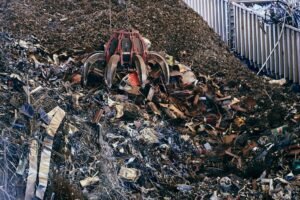
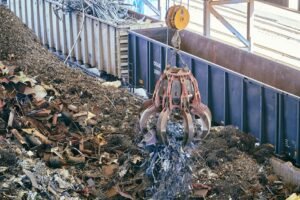
The process of recycling copper is a sophisticated industrial operation that transforms waste into a vital resource. Once your scrap reaches a facility, it undergoes a rigorous sorting process. Advanced technology, including X-ray fluorescence (XRF) analyzers and magnetic separators, is used to ensure the purity of the metal. For those curious about the broader market, joining a Copper Scrap Group can provide deeper insights into how these global supply chains function.
After sorting, the copper is shredded or granulated to remove remaining insulation or non-metallic attachments. The granulated copper is then melted in high-temperature furnaces. Unlike many other materials, copper does not lose its chemical or physical properties during the recycling process. It can be recycled indefinitely, which is why it is considered a ‘green’ metal. This closed-loop system is essential for the Australian economy, as it reduces the need for energy-intensive mining and smelting of virgin ore.
When you look for Scrap Metal Recycling Near Me, you are participating in a circular economy. By choosing to recycle rather than discard, you are preventing valuable materials from ending up in landfills, where they would otherwise leach heavy metals into the soil. We encourage all our partners to visit Scrap Trade to stay updated on the latest industry standards and to utilize our professional metal trading platform for the most accurate market data.
Environmental Benefits of Copper Recycling
The environmental case for scrap copper recycling Merrylands is overwhelming. Mining for virgin copper is an incredibly destructive process that involves massive open-pit excavations, deforestation, and the displacement of local ecosystems. Furthermore, the energy required to extract and refine copper from ore is significantly higher than the energy required to recycle existing scrap. Recycling copper uses approximately 85% less energy than producing it from raw ore.
By recycling, we also drastically reduce greenhouse gas emissions. The smelting process for virgin ore releases sulfur dioxide and other particulate matter into the atmosphere, contributing to acid rain and poor air quality. Recycled copper, by contrast, requires only a fraction of the heat to melt, resulting in a much smaller carbon footprint. This is a critical factor for Australian businesses aiming to meet ESG (Environmental, Social, and Governance) targets.
Furthermore, recycling preserves the finite supply of copper in the earth’s crust. While copper is abundant, it is not infinite. As global demand for renewable energy technologies—such as electric vehicles, wind turbines, and solar panels—continues to skyrocket, the demand for copper will only increase. Efficient recycling ensures that we can meet this demand without the need for constant, destructive new mining projects. Every kilogram of copper you recycle is a contribution to a more sustainable future for Australia.
Practical Tips for Preparing Your Scrap
Preparation is the key to profitability. If you want to get the most out of your scrap copper recycling Merrylands efforts, follow these expert tips:
- Sort by Grade: Never mix your high-grade bare bright with lower-grade number 2 copper. Keep them in separate bins to ensure you are paid the highest possible price for each category.
- Remove Contaminants: Take the time to remove steel screws, plastic fittings, and rubber gaskets from your copper pipe. A clean load is always worth more than a contaminated one.
- Strip Your Wire: If you have a large volume of insulated wire, investing in a wire stripping machine is a smart financial decision. The copper value alone is often double or triple the value of the insulated cable.
- Keep it Clean: Store your copper in a dry, covered area. While copper doesn’t rust like iron, heavy oxidation (green patina) can sometimes lead to a downgrade in the eyes of a scrap buyer.
- Know the Market: The copper price per kg fluctuates daily based on the London Metal Exchange (LME). Check our platform regularly to understand when the market is peaking before you head to the yard.
By treating your scrap as a valuable asset rather than trash, you elevate your business operations and contribute to a more efficient local economy. Whether you are a small-scale collector or a large industrial firm, these practices will help you maintain a competitive edge.
Safety and Compliance in Scrap Trading
Safety is paramount when handling scrap metal. Copper wire and pipe can have sharp edges, and industrial sites often present risks like heavy machinery and uneven surfaces. Always wear appropriate Personal Protective Equipment (PPE), including cut-resistant gloves, steel-toed boots, and high-visibility clothing. If you are dismantling equipment, ensure that electrical power is completely disconnected before touching any wiring.
Compliance is equally important. In Australia, scrap metal dealers must adhere to strict regulations to prevent the trade of stolen goods. Always be prepared to provide identification when selling your scrap. This is not just a legal requirement; it is a standard practice that protects the integrity of the entire industry. Reputable scrap yards will have clear signage and documented procedures for receiving materials, ensuring that the entire transaction is transparent and legal.
For those managing large-scale demolition projects, having a dedicated logistics plan for your scrap is essential. This includes securing your site to prevent unauthorized access to your valuable scrap piles and ensuring that your transport methods comply with local road safety laws. If you are unsure about how to handle specific hazardous materials often found alongside copper, such as lead-lined pipes or asbestos-containing insulation, always consult with a professional hazardous waste disposal service before attempting to move the material.
The Future of the Copper Industry
The future of scrap copper recycling Merrylands is inextricably linked to the global energy transition. As we shift away from fossil fuels, the demand for copper for electrical infrastructure will continue to outpace supply. This ‘electrification of everything’ means that recycled copper will become even more valuable in the coming decades. Australia is uniquely positioned to lead in this space, given our robust mining history and our growing expertise in circular economy practices.
Technological advancements are also changing the game. We are seeing the introduction of AI-driven sorting machines that can identify different alloys with near-perfect accuracy, reducing the need for manual labor and increasing the purity of output. These innovations mean that even ‘difficult’ scrap—such as complex electronic waste containing small amounts of copper—will become easier and more profitable to recycle in the future.
As a participant in this market, staying informed is your best defense against volatility. By engaging with industry resources, tracking the copper price per kg, and maintaining high standards of material preparation, you are not just making money—you are supporting a vital industry that powers the modern world. Whether you are a local resident or a business owner, your participation in the recycling loop matters. Keep your materials clean, stay informed on market trends, and continue to support local, ethical recycling businesses to ensure a greener, more prosperous Australia for everyone.
Frequently Asked Questions
What is the difference between bare bright and number 2 copper?
Bare bright copper is clean, unalloyed, and uncoated copper wire, which commands the highest price. Number 2 copper includes wire or pipe that may have slight oxidation, solder, or other minor impurities, resulting in a lower market value.
How can I get the best copper price per kg for my scrap?
To maximize your return, strip all insulation from wires, remove all non-metallic contaminants like plastic or steel, and sort your copper by grade. Selling your scrap when the market is high and dealing with reputable, transparent buyers will also ensure you get the best value.
Is it worth the effort to strip insulation from copper wire?
Yes, stripping insulation is almost always worth the effort. The price difference between insulated cable and bare bright copper is significant, and for large volumes, the time spent stripping is usually offset by the substantially higher payout.
Why is copper recycling considered environmentally friendly?
Recycling copper uses up to 85% less energy than mining and refining virgin ore. It also prevents heavy metals from entering landfills and reduces the environmental destruction associated with large-scale open-pit mining operations.