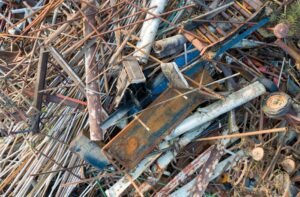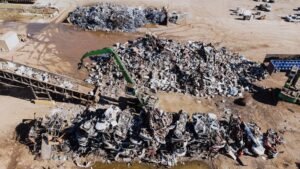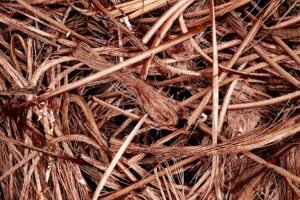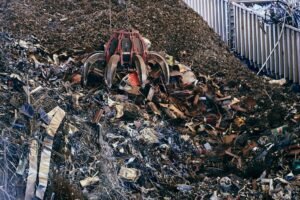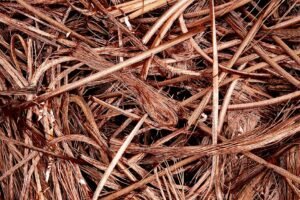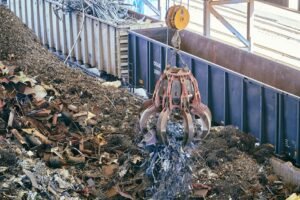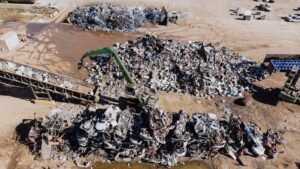

When it comes to scrap copper recycling Merrylands West, understanding the nuances of the market is essential for both commercial contractors and residential renovators. Copper is one of the most highly valued industrial metals in Australia, prized for its exceptional conductivity and infinite recyclability. Whether you are clearing out a job site or managing industrial waste, navigating the complexities of metal grades and market fluctuations is the key to maximizing your returns. This comprehensive guide serves as your authoritative resource for everything related to the copper trade in Western Sydney.
The Economics of Scrap Copper Recycling Merrylands West
The local scrap industry in Western Sydney has evolved significantly over the last decade. As global demand for copper rises—driven by the transition to renewable energy and the expansion of telecommunications infrastructure—the scrap copper recycling Merrylands West sector has become a vital link in the circular economy. Understanding the difference between a Scrap Trading Vs Recycling Business is crucial for those looking to enter the market or simply optimize their scrap disposal. While traders focus on the arbitrage of metal prices, recyclers emphasize the processing and refinement of materials. For residents and tradespeople in the area, partnering with a professional facility ensures that your scrap is handled according to environmental regulations and provides the most accurate copper price per kg.
When you bring your materials to a facility, you are participating in a global supply chain. Copper is a non-ferrous metal, meaning it does not lose its chemical properties during the recycling process. This makes it a permanent resource. Because of this, the scrap market is highly sensitive to the London Metal Exchange (LME) prices. By staying informed about these trends, you can time your scrap sales to coincide with market peaks, ensuring you receive the highest possible payout for your efforts.
Understanding Copper Grades: From Bare Bright to Number 2
Not all scrap copper is created equal. To get the best value, you must be able to categorize your materials correctly. The grading system is standardized across the industry to reflect the purity and processing requirements of the metal. If you are ever unsure about your inventory, consulting with the Copper Scrap Group can provide you with the technical expertise needed to identify specific alloys and purity levels. Here is a breakdown of the most common grades you will encounter:
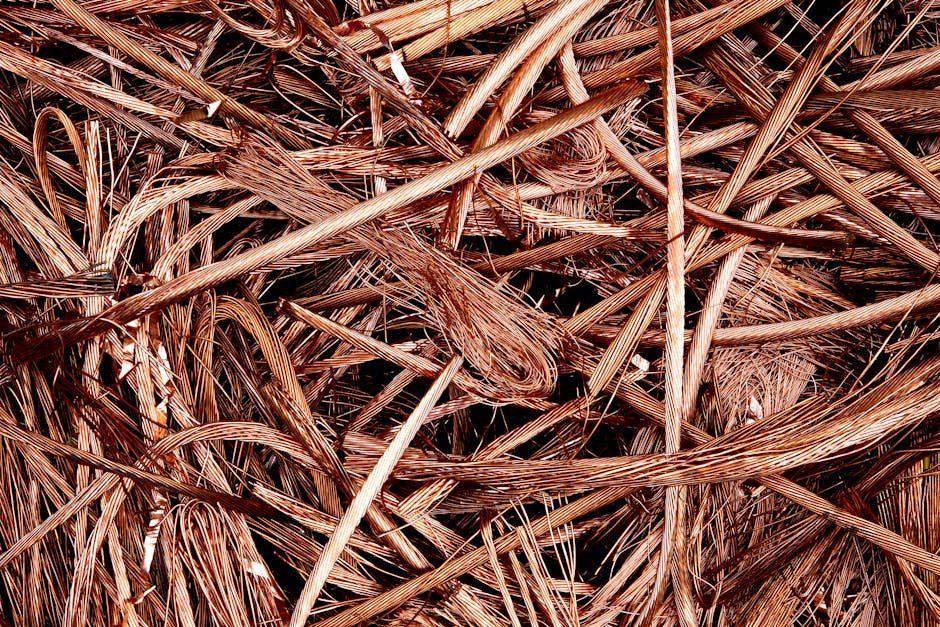
- Bare Bright Copper: This is the gold standard of scrap. It consists of clean, unalloyed, uncoated, and uninsulated copper wire, typically 16 gauge or thicker. It must be free of paint, solder, or oxidation to qualify for the premium price.
- Number 1 Copper: This grade includes clean copper pipe or tubing that is free of fittings, solder, or paint. It is essentially high-quality, non-insulated copper that has been stripped of any contaminants.
- Number 2 Copper: This category includes copper that has some level of contamination, such as solder, paint, or minor oxidation. It may also include wire that has been stripped but still contains some impurities.
- Insulated Copper Wire: This is copper wire that still has its plastic or rubber coating. The value here depends on the “recovery rate”—the percentage of actual copper content remaining after the insulation is stripped away.
By segregating your scrap into these grades before visiting a facility, you significantly reduce the labor required by the recycler, which often translates into a higher payout for you. Mixing high-grade wire with low-grade contaminated pipe will inevitably result in the entire batch being priced at the lower rate, so precision at the source is vital.
How the Recycling Process Works
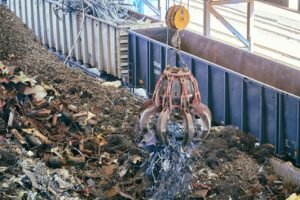
The journey from a construction site in Western Sydney to a new copper product is a fascinating industrial process. Once you drop off your scrap, it undergoes a rigorous sequence of steps. First, the material is weighed on certified scales to ensure transparency. This is where you receive your payment based on the current market rate. From there, the material is sorted by grade. For large quantities, advanced sensor-based sorting technology may be used to separate different alloys and remove non-metallic contaminants.
Once sorted, the copper is often shredded or chopped into smaller pieces to make it easier to handle and melt. If the copper is insulated, it goes through a granulator, which separates the plastic insulation from the copper strands. These granules are then cleaned and processed. Finally, the copper is melted in a furnace, refined to remove any remaining impurities, and cast into ingots or rods. These are then sold to manufacturers who turn them back into scrap metal recycling services for new electrical wiring, plumbing components, or automotive parts.
For those looking for Scrap Metal Recycling Near Me, choosing a facility that utilizes state-of-the-art processing equipment is essential. Modern facilities not only provide better accuracy in weighing but also ensure that the recycling process is as energy-efficient as possible, minimizing the carbon footprint of the entire operation.
Environmental Benefits of Copper Recycling
The environmental impact of recycling copper is profound. Mining for virgin copper is an incredibly energy-intensive process that involves massive excavation, water consumption, and the release of greenhouse gases. By contrast, recycling copper requires up to 85% less energy than producing it from raw ore. This massive reduction in energy consumption directly translates to lower carbon emissions, making scrap recycling a cornerstone of sustainable industrial practices.
Furthermore, recycling prevents copper from ending up in landfills. While copper is not toxic in the same way as lead or mercury, it is a finite resource that should never be wasted. By keeping copper in the loop, we reduce the need for destructive mining practices that often damage local ecosystems and water tables. When you choose to recycle your scrap, you are actively contributing to a cleaner future and helping to preserve natural resources for the next generation. It is a simple, actionable step that has a global ripple effect.
Practical Tips for Maximizing Your Scrap Returns
If you are looking to optimize your returns, preparation is everything. First, always strip your wires if you have the time and the right tools. While insulated wire has value, the copper inside is worth significantly more once the plastic is removed. However, be careful not to damage the wire itself during the stripping process. Second, keep your scrap clean. Remove any steel fittings, brass valves, or plastic attachments from your copper pipes. These contaminants are considered “foreign material” and will lower the grade of your scrap.
Third, keep your scrap dry and protected from the elements. While copper doesn’t rust, oxidation can occur, which might lead a recycler to downgrade your material to Number 2. Storing your scrap in a covered area or a container will keep it in pristine condition. Finally, build a relationship with your local recycler. Frequent traders often gain access to better pricing tiers or specialized logistics support. Whether you are near scrap copper recycling merrylands or searching for scrap copper recycling homebush west, consistency and quality are the two factors that will always earn you the best rates.
The Future of the Copper Trade
The future of the copper market is inextricably linked to the electrification of the global economy. As electric vehicles (EVs) become more common and home energy storage systems grow in popularity, the demand for high-quality copper will only increase. This creates a long-term upward pressure on copper prices. For those involved in the scrap trade, this means that every kilogram of copper you recycle today is a valuable asset in the global supply chain. The industry is also moving toward greater transparency, with digital platforms making it easier than ever to track prices and find reputable buyers.
Conclusion
Recycling copper is more than just a way to make extra money; it is a vital contribution to the environment and the economy. By understanding the grades, the recycling process, and the importance of proper preparation, you can ensure that you are getting the best value for your scrap. Whether you are a professional contractor or a homeowner, the resources available in Western Sydney make it easy to participate in this circular economy. Always prioritize safety, stay informed about market trends, and partner with reputable recyclers to make the most of your scrap copper.
Frequently Asked Questions
Frequently Asked Questions
How do I know if my copper is Number 1 or Number 2?
Number 1 copper is clean, unalloyed, and free of solder, paint, or oxidation. Number 2 copper includes materials that have some level of contamination, such as solder, paint, or minor corrosion.
Is it worth stripping my own copper wire?
Yes, stripping wire generally increases its value significantly because you are selling pure copper rather than copper with plastic insulation. However, ensure you have the proper tools to avoid damaging the copper strands during the process.
How does the copper price per kg change?
Copper prices fluctuate based on global supply and demand, influenced by the London Metal Exchange. Factors such as mining output, industrial growth, and the transition to green energy technologies drive these daily price changes.
Why is it important to recycle copper locally?
Recycling locally reduces transport-related emissions and supports the local economy in Western Sydney. It ensures that your metal is processed responsibly and efficiently, keeping valuable resources within the domestic supply chain.