
When it comes to scrap copper recycling Revesby, understanding the nuances of the local market is essential for both contractors and industrial businesses. As Revesby continues to grow as a hub for light industry and residential development, the demand for efficient metal recovery services has never been higher. Whether you are clearing out a construction site or managing a manufacturing facility, knowing how to identify, sort, and trade your copper effectively can significantly impact your bottom line.
Understanding Copper Grades: What You Need to Know
To maximize the value of your scrap, you must first understand the grading system used by recyclers. Copper is not a one-size-fits-all commodity; its value is determined by its purity, insulation status, and physical condition. When you engage in scrap copper recycling Revesby, you will encounter several primary classifications that dictate the current scrap metal market rates.
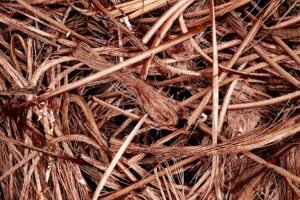
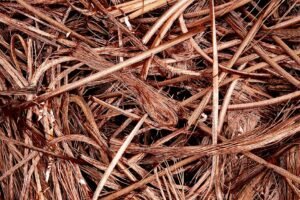
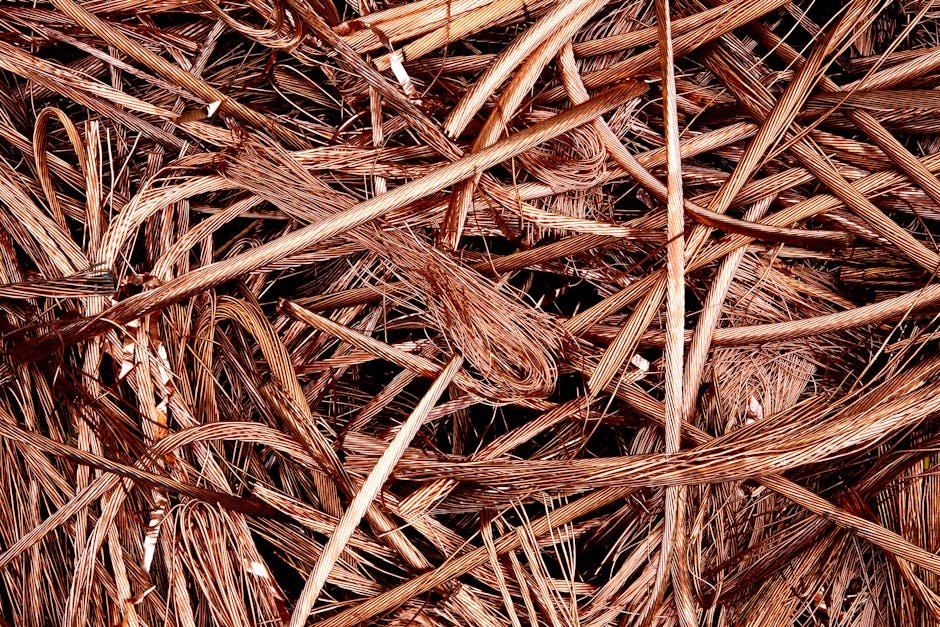
Bare Bright Copper: This is the highest grade of copper, consisting of clean, unalloyed, and uncoated copper wire. It must be free of insulation, paint, or oxidation. Because it is essentially pure metal ready for immediate melting, it commands the highest copper price per kg. If you are stripping copper wire, ensuring it is free of all plastic coating is the key to achieving this premium grade.
Number 1 Copper: This grade includes clean copper pipe and heavy-gauge wire that is free of solder, paint, or other contaminants. It is slightly less valuable than bare bright but remains a high-demand item for refineries.
Number 2 Copper: This category encompasses copper that is slightly oxidized or contains small amounts of solder or other impurities. It is the most common grade found in general construction debris. Understanding the difference between these grades is crucial when you look for Scrap Metal Recycling Near Me to ensure you are receiving fair market value for your specific haul.
The Process of Copper Recycling: From Site to Refinery
The journey of a copper pipe from a demolition site in Revesby to a new product is a sophisticated industrial process. Initially, the material is collected and transported to a specialized facility. The first step is physical inspection and sorting. Using advanced technology, including X-ray fluorescence (XRF) analyzers, recyclers can determine the exact chemical composition of the metal.
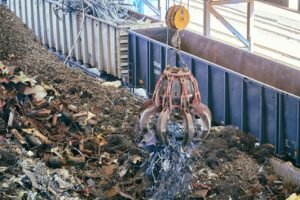
Once sorted, the copper is often shredded to break it down into smaller, more manageable pieces. This process is vital for removing non-metallic contaminants like plastic, rubber, or wood. For those interested in the broader industry, understanding the difference between Scrap Trading Vs Recycling Business models can provide insight into why certain facilities offer better pricing or services than others. After shredding, the copper is melted in a furnace, refined to remove any remaining impurities, and cast into ingots or rods for manufacturers to use in new electrical components, plumbing systems, or architectural features.
Environmental Benefits of Recycling Copper
The environmental case for scrap copper recycling Revesby is compelling. Mining for virgin copper is an energy-intensive process that involves massive excavation, ore processing, and chemical leaching, all of which have significant carbon footprints. By contrast, recycling copper requires up to 85% less energy than producing it from raw ore.
Furthermore, copper is a 100% recyclable material, meaning it can be melted down and repurposed indefinitely without losing its physical or chemical properties. This circularity is a cornerstone of sustainable resource management. By participating in local recycling initiatives, businesses in the Revesby area contribute to a reduction in landfill waste and a decrease in the environmental degradation associated with open-pit mining. For those managing large-scale projects, joining a Copper Scrap Group can provide valuable networking opportunities and insights into sustainable supply chain practices.
Maximizing Your Returns: Tips for Copper Sellers
To get the best return on your scrap, preparation is everything. Start by segregating your materials at the source. Mixing different grades of copper—such as clean pipe with insulated wire—will result in the entire lot being downgraded to the lowest common denominator. Always strip insulation from copper wire whenever possible, as the weight of the plastic coating is often deducted from the total weight, and the copper itself is worth more when exposed.
Keep your scrap dry and clean. Oxidation (the green tarnish on copper) can sometimes lead to downgrading if it is severe. Additionally, keep an eye on the daily copper price per kg, as the market is volatile and influenced by global demand. If you are located in nearby suburbs, you might also want to check resources for scrap copper recycling bankstown or scrap copper recycling auburn to compare logistics and services. Always work with reputable traders who provide transparent weighing and grading processes. For more information on navigating the Australian scrap market, visit Scrap Trade Australia for industry-standard practices.
The Future of Copper in the Green Economy
As the world transitions toward renewable energy, the demand for copper is projected to skyrocket. Copper is the backbone of the electric vehicle (EV) revolution, renewable energy grids, and high-efficiency electrical infrastructure. Because copper is essential for conducting electricity with minimal resistance, its role in a decarbonized future is irreplaceable.
This surge in demand means that the scrap market will become increasingly competitive. Facilities that prioritize efficient processing and fair pricing will be the ones that thrive. For the Revesby community, this means that every kilogram of copper recycled is not just waste management; it is a contribution to the global supply of a critical material needed for the green transition. By staying informed about market trends and maintaining high standards of sorting, you are positioning yourself as a vital link in this essential supply chain.
Safety and Compliance in Scrap Handling
Handling scrap metal involves inherent risks. Sharp edges, heavy loads, and potential exposure to hazardous materials (like old insulation or lead-based solder) require strict adherence to safety protocols. When transporting large quantities of copper, ensure your vehicle is rated for the weight and that the load is properly secured. Compliance with local environmental regulations is also mandatory; ensure that the facility you choose adheres to EPA standards for waste management and hazardous material handling.
Professional recyclers in Revesby are equipped with the machinery to handle large volumes safely, from industrial shears to magnetic separators. Never attempt to burn insulation off wires, as this releases toxic fumes and is illegal in many jurisdictions. Always choose a licensed facility that prioritizes worker safety and environmental stewardship, ensuring that your scrap is handled with the professionalism it deserves.
Technological Advancements in Sorting
The scrap metal industry is undergoing a digital transformation. Modern facilities are now using AI-driven optical sorting systems that can identify and separate different types of metals in milliseconds. These machines use high-resolution cameras and sensors to distinguish between various alloys based on color, texture, and shape. This technology allows for much higher purity levels in the final product, which in turn increases the market value of the recycled copper.
For the average seller, this means more accurate grading and fairer pricing. When you visit a facility in Revesby, look for those that invest in modern sorting technology. It is a sign of a professional operation that can handle complex loads and provide you with a detailed breakdown of your materials. As technology continues to evolve, the gap between traditional scrap yards and high-tech material recovery facilities will widen, favoring those who embrace innovation.
Conclusion: Your Role in the Circular Economy
Recycling is more than just a way to make extra money; it is a fundamental pillar of modern industrial sustainability. By participating in scrap copper recycling Revesby, you are helping to close the loop on resource consumption. Whether you are a tradesperson, a homeowner, or a business owner, your decisions regarding how you manage your scrap metal have a tangible impact. By sorting your materials, staying informed about market prices, and choosing reputable recycling partners, you ensure that valuable resources are returned to the production cycle, reducing the need for destructive mining and saving significant amounts of energy.
The copper market is dynamic and essential to our future. By engaging with local resources and understanding the grading and recycling processes, you can maximize the value of your scrap while supporting a more sustainable, circular economy. Start today by organizing your scrap, checking the latest market rates, and connecting with local experts who can help you turn your waste into a valuable asset.
Frequently Asked Questions
What is the most valuable type of scrap copper?
Bare bright copper is the most valuable grade. It consists of clean, uninsulated, and unoxidized copper wire that is ready for immediate melting.
How does the copper price per kg change?
Copper prices are determined by global supply and demand, influenced by industrial production, construction activity, and the transition to green energy technologies.
Should I strip insulation off copper wire?
Yes, stripping insulation is highly recommended. It moves the material from a lower grade to ‘bare bright,’ significantly increasing its value per kilogram.
Why is recycling copper better than mining?
Recycling copper requires up to 85% less energy than extracting and refining virgin ore, while also preventing the environmental damage associated with large-scale mining.