
The Ultimate Guide to Scrap Metal Recycling Sydney
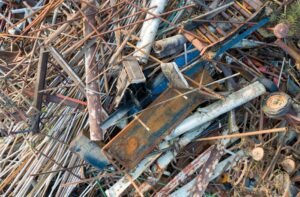
Engaging in scrap metal recycling Sydney is a critical component of the circular economy, transforming industrial and domestic waste into valuable commodities. Whether you are a construction firm in Western Sydney, a residential renovator on the North Shore, or an industrial manufacturer, understanding the nuances of metal grades and market dynamics is essential for both economic gain and environmental stewardship.
The Current Landscape of Scrap Metal Recycling Sydney
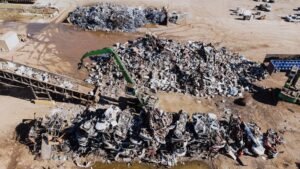
The industry in New South Wales has evolved significantly over the past decade. As urban density increases across Greater Sydney, the demand for sustainable waste management solutions has skyrocketed. Professional recycling facilities now act as the backbone of the local manufacturing sector, providing high-quality secondary raw materials that reduce the need for energy-intensive virgin ore extraction. When you look for Scrap Metal Recycling Near Me, you are tapping into a sophisticated logistics network that spans from the industrial hubs of Western Sydney to the commercial centers of the North Shore.
The shift toward professionalized recycling is not just about waste diversion; it is about resource security. By treating metal as a permanent asset rather than trash, businesses in Sydney can hedge against commodity price volatility. If you are planning your operations for the future, you should learn how to Sell Scrap Metal Near Me In 2026 to ensure you are positioned to take advantage of emerging market trends and technological advancements in refining.
Understanding Metal Grades: Ferrous vs. Non-Ferrous
To maximize the value of your scrap, you must distinguish between the two primary categories: ferrous and non-ferrous metals. Ferrous metals contain iron and are magnetic, while non-ferrous metals do not contain iron and are generally more valuable due to their resistance to corrosion and their infinite recyclability.
Ferrous Metals
- Steel: Found in structural beams, rebar, and appliances. It is the most recycled material on the planet.
- Cast Iron: Common in heavy machinery and older plumbing fixtures.
- Wrought Iron: Often found in architectural elements and fencing.
Non-Ferrous Metals
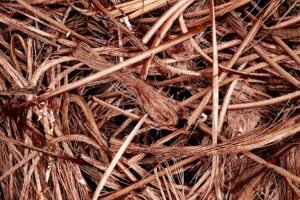
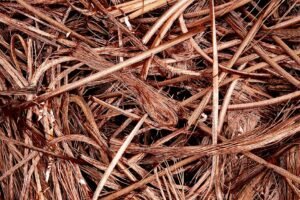
- Copper: Highly sought after due to its conductivity. You will find it in electrical wiring, plumbing pipes, and roofing materials.
- Aluminium: Lightweight and durable, common in window frames, cans, and automotive parts.
- Brass: An alloy of copper and zinc, frequently used in fittings, valves, and musical instruments.
- Stainless Steel: Contains chromium, making it rust-resistant. Common in kitchen equipment and medical instruments.
For those located in the northern suburbs, finding reliable north sydney scrap metal recycling services is crucial for handling these specific grades correctly. Proper sorting at the source significantly increases the purity of the scrap, which directly correlates to the price you receive at the weighbridge.
How the Recycling Process Works
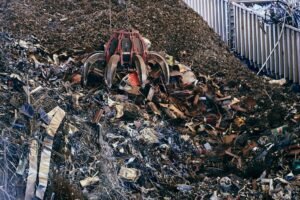
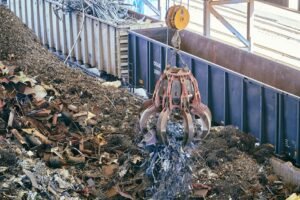
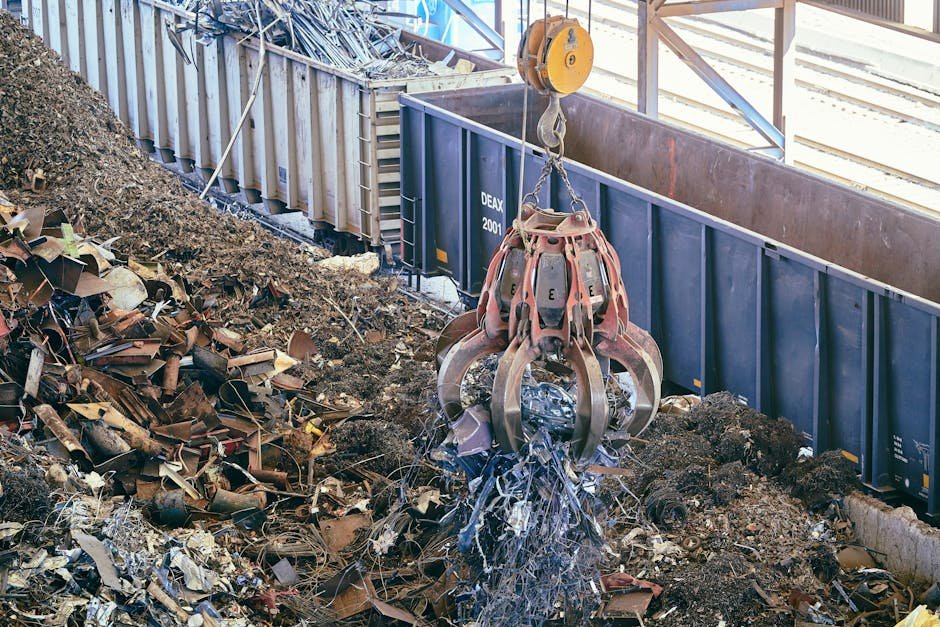
The journey of a piece of scrap metal from a demolition site in Greater Sydney to a new product is a multi-stage process. First, collection and transportation involve specialized logistics to move bulk materials safely. Once the material reaches the facility, it undergoes rigorous sorting. Advanced technology, such as X-ray fluorescence (XRF) analyzers and magnetic separators, ensures that metals are classified by their exact chemical composition.
After sorting, the metal is processed. This may involve shredding, shearing, or baling to reduce volume for transport. In some cases, the metal is melted down into ingots or billets. This entire process is a prime example of the Scrap Trading Vs Recycling Business distinction; trading focuses on the movement of commodities, while recycling focuses on the physical transformation of the material. For those seeking specialized scrap metal recycling north sydney, understanding this transformation process helps in negotiating better rates based on the end-use of the material.
Environmental Benefits of Recycling in New South Wales
The environmental impact of recycling in New South Wales is profound. Producing steel from recycled scrap requires up to 75% less energy than producing it from virgin iron ore. For aluminium, the energy savings can reach as high as 95%. By participating in the scrap ecosystem, businesses and individuals in Sydney are actively lowering their carbon footprint and reducing the demand for environmentally destructive mining operations.
Furthermore, recycling prevents hazardous materials from leaching into the soil and groundwater. Old appliances, for example, often contain refrigerants and other chemicals that require professional handling. By utilizing certified recycling partners, you ensure that these materials are processed according to strict EPA guidelines, keeping our waterways and parks clean.
Logistics and Collection in Greater Sydney
Logistics remain the biggest hurdle in the scrap industry. Whether you are operating in the busy streets of Western Sydney or the coastal regions of the North Shore, efficient collection is key. Many professional scrap yards offer bin services for construction sites, allowing for the systematic separation of metals on-site. This not only keeps the site clean but also maximizes the value of the material by preventing contamination between different metal grades.
If you are a contractor, it is vital to establish a relationship with a facility that understands the specific regulatory landscape of NSW. A reputable partner will provide clear documentation, weighing reports, and environmental compliance certificates, which are increasingly important for large-scale tender submissions. For more information on industry standards, visit the leading Australian scrap metal resource for insights into best practices.
Economic Strategies for Scrap Sellers
To get the best returns, you need to treat your scrap as a business asset. Start by auditing your waste streams. Are you separating your copper cabling from your steel beams? Are you keeping your brass fittings separate from your aluminium? Contamination is the fastest way to lower your payout. Even small amounts of steel in a bin of copper can downgrade the entire load to a lower price tier.
Timing is also critical. Global commodity markets fluctuate daily. While you cannot predict every movement, you can stay informed by following global copper and steel indexes. By keeping your scrap clean, dry, and sorted, you make it easier for the recycler to process, which often leads to better pricing tiers. For comprehensive market data and trading tools, you can visit our main platform here to stay updated on current market conditions.
Future-Proofing Your Scrap Operations
As we move toward 2030, the focus on ‘urban mining’ will intensify. With raw materials becoming more expensive and harder to source, the scrap already sitting in our buildings and infrastructure will become the primary source of supply for new manufacturing. Businesses that build robust recycling protocols today will be the ones that thrive tomorrow. By investing in on-site sorting infrastructure and training staff on metal identification, you turn a disposal cost into a revenue stream.
Whether you are managing a large-scale demolition project in Western Sydney or a small workshop, the principles remain the same: keep it clean, keep it sorted, and work with reputable, licensed recyclers who provide transparency. The scrap metal recycling Sydney industry is evolving, and those who embrace these changes will find themselves at a significant competitive advantage in the coming years.
Conclusion
Scrap metal recycling is more than just a waste management task; it is a vital pillar of the Australian economy and a necessary step toward a sustainable future. By understanding the grades, the processes, and the environmental impact, you can contribute to a circular economy while optimizing your own financial outcomes. From the bustling industrial zones of Western Sydney to the specialized needs of the North Shore, the infrastructure is there to support your efforts. Start by auditing your current waste, connecting with a professional recycler, and treating your metal as the valuable resource it truly is.
Related: Sell Scrap Metal Near Me In 2026
Frequently Asked Questions
What is the most valuable scrap metal to recycle?
Copper is generally the most valuable scrap metal due to its high demand in electrical and plumbing applications. Other high-value metals include brass, stainless steel, and aluminium, though prices fluctuate based on global market conditions.
How do I prepare my scrap metal for the best price?
To get the best price, ensure your metal is clean, dry, and free of non-metallic contaminants like plastic, rubber, or wood. Sorting your metals by type (e.g., separating copper from steel) is the most effective way to maximize your payout.
Is it legal to scrap metal in New South Wales?
Yes, but it is strictly regulated. You must ensure you are dealing with a licensed facility that complies with NSW EPA regulations to ensure that hazardous materials are handled correctly and that all transactions are documented.
Why does the price of scrap metal change so often?
Scrap metal prices are tied to global commodity markets, which are influenced by supply and demand, manufacturing output, and international trade policies. Because these factors change daily, scrap prices at local yards also adjust accordingly.