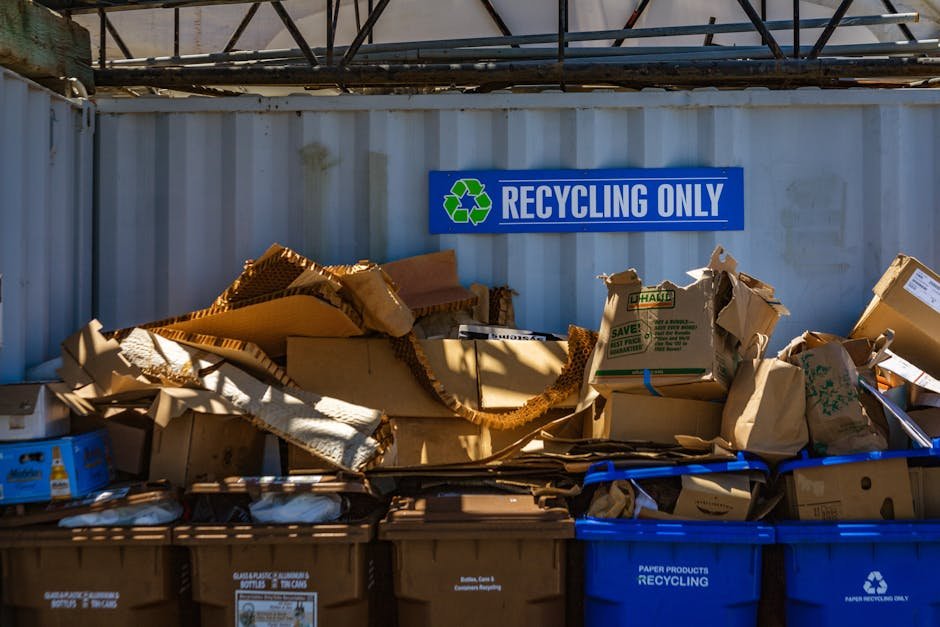

When it comes to recycling wollongong, the city stands as a vital hub for industrial and residential resource recovery. As a coastal city with a deep-rooted history in steel manufacturing and heavy industry, Wollongong has unique opportunities to lead the charge in the Australian circular economy. Whether you are a tradesperson, a local business owner, or a resident clearing out a garage, understanding the logistics of scrap metal is essential for both environmental stewardship and financial gain.
The Economic and Environmental Impact of Recycling in Wollongong
The industrial landscape of the Illawarra region makes the efficient management of scrap metal not just an environmental necessity, but an economic driver. By choosing to engage with professional recycling services, you are participating in a global supply chain that reduces the need for virgin ore extraction. Mining iron, copper, and aluminum is energy-intensive and environmentally destructive; recycling these metals consumes significantly less energy—up to 95% less for aluminum, for instance.
For those searching for Metal Recycling Near Me, the options in Wollongong are robust. The city benefits from proximity to major transport routes, allowing for the efficient movement of scrap to smelting facilities. When you recycle locally, you support the broader Recycling Community, which works to keep the Illawarra clean and sustainable. By diverting scrap from landfills, we prevent heavy metals from leaching into our groundwater and soil, protecting the unique biodiversity of the escarpment and the coastline.
Understanding Ferrous vs. Non-Ferrous Metals
To maximize your return when visiting a facility for recycling wollongong, you must first understand the distinction between ferrous and non-ferrous metals. Ferrous metals contain iron and are magnetic. Common examples include steel, iron, and carbon steel. These are typically found in construction beams, old appliances, and heavy machinery. While they are usually lower in value per kilogram than non-ferrous metals, their sheer volume makes them a staple of the scrap industry.
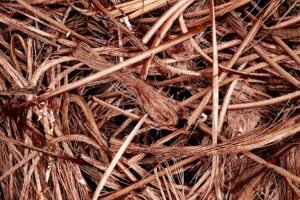
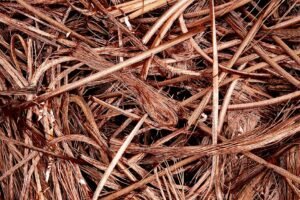
Non-ferrous metals, on the other hand, do not contain iron and are non-magnetic. These include copper, brass, aluminum, lead, and stainless steel. These metals are highly sought after due to their durability and infinite recyclability. Copper wiring, for example, is a high-value item frequently sought by contractors. If you are looking for Scrap Metal Recycling Near Me, ensure you separate your metals beforehand. Sorting your scrap by type—magnetic versus non-magnetic—can significantly increase the payout you receive at the weighbridge.
The Process: From Scrap Yard to New Product
The journey of a piece of scrap metal is a fascinating look at modern industrial engineering. Once you drop off your materials at a Wollongong recycling center, the process begins with weighing. Authorized facilities use certified scales to ensure transparency. After weighing, the metal is inspected for contaminants, such as plastics, rubber, or hazardous materials. Contamination is the primary reason for lower payouts, so cleaning your scrap before arrival is a pro tip for any serious recycler.
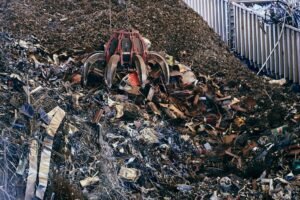
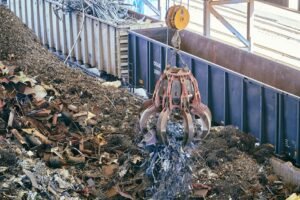
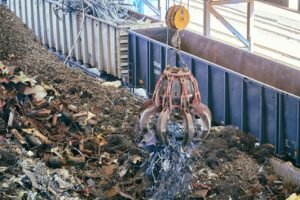
Once sorted, the metal is processed using shears, shredders, or balers to reduce volume for transport. It is then sent to smelters where it is melted down into ingots or billets. These raw materials are then sold back to manufacturers to create new products, ranging from car parts to beverage cans. This closed-loop system is the definition of a circular economy. For specialized services, such as car recycling wollongong, the process involves the safe removal of fluids and hazardous components like batteries before the steel frame is crushed and recycled.
Maximizing Your Returns: Tips for Wollongong Residents
If you are looking to turn your scrap into cash, preparation is key. First, keep your metals dry. Rust and oxidation can affect the weight and the quality of the metal, potentially lowering its value. Second, strip your copper wires. While it takes time, the difference in price between “insulated copper” and “bright and shiny” copper is substantial. Third, be aware of market fluctuations. Metal prices, much like stocks, rise and fall based on global demand.
For those interested in the broader Australian market, you can visit Scrap Trade Australia for industry insights and pricing trends. Additionally, if you have operations or contacts in other regions, you might find it useful to compare services with those in willaston recycling to understand the national standards and best practices. Always ensure you are dealing with a licensed facility that provides a fair, transparent weigh-in process. You can find a comprehensive directory of reputable partners at Scrap Trade to ensure your materials are handled by professionals.
Safety and Legal Considerations in Scrap Recycling
Safety is the number one priority when handling scrap metal. Sharp edges, heavy loads, and hidden hazards are common risks. Always wear heavy-duty gloves, steel-toed boots, and high-visibility clothing when transporting or unloading scrap. If you are dealing with large items like industrial machinery or old engines, ensure you have the proper lifting equipment. Never attempt to cut or dismantle pressurized tanks or sealed units, as these can be extremely dangerous.
Legally, the scrap metal industry is strictly regulated in New South Wales to prevent the trade of stolen goods. Expect that any reputable facility will ask for identification and log your details. This is a standard procedure meant to protect the community and ensure that the recycling industry remains a legitimate and safe sector. By cooperating with these regulations, you contribute to the integrity of the recycling industry in Wollongong.
The Future of Recycling in the Illawarra
The future of recycling wollongong is bright, with new technologies emerging to improve the efficiency of metal recovery. Automated sorting systems using sensors and X-ray fluorescence (XRF) are becoming more common, allowing facilities to identify metal alloys with near-perfect accuracy. This precision means that even complex scrap mixtures can be separated and recycled, further reducing the reliance on mining.
Furthermore, as Wollongong transitions toward a greener economy, the role of scrap metal will only grow in importance. The demand for metals like lithium, cobalt, and copper—essential for electric vehicles and renewable energy infrastructure—is skyrocketing. By recycling the scrap we already have, we are essentially building the “urban mines” of the future. The Illawarra region is perfectly positioned to leverage its industrial heritage to become a leader in this transition, provided that residents and businesses continue to prioritize responsible recycling practices.
Building a Sustainable Community Through Collective Action
Individual actions, when multiplied by thousands, create systemic change. Every kilogram of metal diverted from a landfill in Wollongong represents a small victory for the environment. By choosing to work with local recyclers, you are not only cleaning up your own property but also contributing to the health of the local ecosystem. We encourage all residents to educate their neighbors and local businesses about the benefits of proper waste management.
If you are a business owner, consider implementing a scrap management plan. This can include designated bins for different metal types and scheduled pickups by local recycling firms. By creating a culture of sustainability, we can ensure that Wollongong remains a beautiful and productive place to live and work. Remember that the value of scrap metal is not just in the cash you receive, but in the legacy of conservation you leave for future generations.
Conclusion: Taking the Next Step
Recycling is more than just a chore; it is an essential component of a modern, responsible society. By engaging with the professional services available in Wollongong, you are supporting a vital industry that bridges the gap between waste and resources. Whether you are recycling a few aluminum cans or a truckload of industrial steel, your contribution matters.
Use the resources provided in this guide to find the right facility for your needs, stay informed about market trends, and always prioritize safety. The path to a cleaner, more sustainable Wollongong starts with the decision to recycle. Start today, sort your scrap, and be part of the solution.
Frequently Asked Questions
What items are considered scrap metal?
Scrap metal includes anything made of metal that has reached the end of its life, such as copper piping, aluminum cans, steel beams, car parts, and old household appliances. Both ferrous (magnetic) and non-ferrous (non-magnetic) metals are accepted.
Do I need to clean my metal before recycling?
Yes, cleaning your scrap is highly recommended. Removing non-metal attachments like plastic, rubber, or wood will significantly increase the value of your scrap at the weighbridge.
Why is there a price difference between metals?
Prices are determined by global market demand, the purity of the metal, and the cost of processing. Non-ferrous metals like copper and brass are generally more valuable because they are rarer and more energy-efficient to recycle than ferrous metals like steel.
Is it safe to recycle car batteries?
Yes, but they must be handled with extreme care due to the lead and acid content. Most professional recycling centers in Wollongong have specific protocols for safely receiving and processing batteries.