
Understanding scrap on is essential for anyone involved in metal recycling, from small‑scale collectors to large industrial processors, because it determines price, handling requirements, and compliance with Australian standards.
What Is Scrap On and Why It Matters
Scrap on is the industry term used to describe the point at which discarded metal becomes ready for collection, grading, and re‑processing. It encompasses the physical state of the material (cleaned, sorted, and free of hazardous contaminants) and the administrative state (proper documentation, ownership verification, and market‑ready pricing). In Australia, scrap on is governed by the Australian Steel Institute (ASI) and the Department of Industry, Science, Energy and Resources, which set guidelines for quality and traceability.
When metal reaches the scrap on stage, it can be sold on the open market, traded through platforms like Australian scrap marketplace, or processed in a furnace to produce new steel, aluminium, or copper. The transition from waste to resource reduces the need for virgin ore extraction, cuts energy consumption, and supports a circular economy.
Key Grades of Scrap Metal
Accurate grading is the backbone of scrap on because it directly influences price per tonne and downstream processing efficiency. The most common grades in Australia include:
- Ferrous Scrap: Includes steel and iron. Sub‑categories are:
- Heavy Melting Steel (HMS 1 & 2): Large, clean steel pieces such as beams, plates, and pipe sections. HMS 2 allows up to 1% copper content, while HMS 1 is stricter (≤0.5% copper).
- Stainless Steel Scrap: High‑grade alloy scrap, typically sorted by alloy type (304, 316, etc.) and cleanliness.
- Vehicle Shredder Residue (VSR): Mixed ferrous material from automotive recycling, requiring additional processing to remove non‑metal contaminants.
- Non‑Ferrous Scrap: Includes aluminium, copper, brass, zinc, and lead. Sub‑categories are:
- Aluminium Cans (ALU‑C): Clean, sorted beverage cans, often sold by weight at a premium due to high recycling rates.
- Copper Wire (CWW): Stripped copper from electrical wiring, valued for its high conductivity.
- Brass Turnings (BR‑T): Small, clean pieces generated from machining, sold by weight and purity.
Each grade has specific tolerances for contaminants such as paint, oil, plastic, or other metals. The stricter the grade, the higher the price per tonne, reflecting the lower processing cost for recyclers.
The Recycling Process: From Collection to Re‑melting
The journey of scrap on begins at the point of generation – factories, construction sites, demolition projects, or household discards. The process can be broken down into five core stages:
- Collection and Transportation: Licensed haulers gather scrap, ensuring it is segregated by grade and securely loaded to prevent loss or contamination. In Australia, the National Heavy Vehicle Registration Scheme (NHVRS) mandates tracking for loads above 12 tonnes.
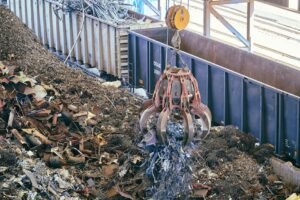
- Initial Sorting: At a collection centre, magnets separate ferrous from non‑ferrous metals. Additional equipment such as eddy‑current separators and optical sorters remove aluminum, copper, and plastics.
- Cleaning and De‑contamination: High‑pressure water jets, shredders, and manual picking eliminate rust, oil, and non‑metal debris. For hazardous materials, specialized facilities follow the Australian Work Health and Safety (WHS) guidelines.
- Grading and Certification: Certified inspectors weigh, test for copper content (using X‑ray fluorescence), and issue a grade certificate. This documentation is essential for the scrap on stage because buyers rely on it for pricing and compliance.
- Re‑melting and Refining: Graded scrap is fed into electric arc furnaces (EAF) for steel or reverberatory furnaces for copper. The furnace temperature, residence time, and flux additives are calibrated based on the grade to achieve target alloy composition.
After re‑melting, the molten metal is cast into billets, slabs, or ingots, ready for downstream manufacturers. The entire loop can be completed within 24‑48 hours for high‑volume operations, illustrating the efficiency of modern scrap on systems.
Environmental Benefits of Scrap Metal Recycling
Scrap on delivers measurable environmental gains across several metrics:
- Energy Savings: Recycling steel saves up to 74% of the energy required to produce virgin steel from iron ore. Aluminium recycling uses only 5% of the energy needed for primary production.
- Greenhouse Gas Reduction: The Australian Department of Climate Change reports that every tonne of recycled steel avoids approximately 1.8 tonnes of CO₂e emissions, while aluminium avoids 8‑10 tonnes.
- Landfill Diversion: In 2023, Australian recycling facilities diverted over 2.3 million tonnes of metal from landfill, reducing soil and water contamination risks.
- Resource Conservation: Recycling reduces demand for bauxite, copper ore, and iron ore, preserving natural habitats and reducing mining‑related biodiversity loss.
These benefits align with the Australian Government’s National Waste Policy, which targets a 70% recycling rate for metals by 2030. Companies that prioritize scrap on can claim carbon credits under the Emissions Reduction Fund, further incentivising sustainable practices.
Economic Impact and Market Dynamics in Australia
The scrap metal sector contributes roughly AUD 12 billion annually to the Australian economy and employs over 30,000 workers across collection, processing, and export. Key market drivers include:
- Global Steel Prices: Fluctuations in Asian steel demand directly affect Australian scrap on pricing, as the majority of exported scrap goes to China, Japan, and South Korea.
- Infrastructure Investment: Government spending on roads, rail, and renewable energy projects generates large volumes of construction scrap, boosting domestic supply.
- Regulatory Changes: Recent amendments to the Export Control (Materials) Act impose stricter reporting on high‑grade copper and aluminium, influencing export volumes.
Digital platforms such as Scrap and Scrap Near Me In 2026 have transformed the marketplace by providing real‑time pricing, transparent transaction records, and automated compliance checks. These tools reduce transaction costs by up to 15% and enable smaller operators to access national markets.
Practical Tips for Sellers and Buyers
Whether you are a scrap collector, a construction contractor, or a metal processor, adhering to best practices improves profitability and compliance.
- Document Every Load: Use electronic waybills that capture grade, weight, and origin. This data is required for the What Is Scrap Trade verification process and for audit trails.
- Maintain Clean Grades: Remove all non‑metal contaminants before delivery. Even a 2% contamination rate can reduce price by 5‑10%.
- Leverage Local Networks: Search for scrap near me to reduce haulage costs and carbon footprint.
- Stay Updated on Standards: ASI’s “Scrap Metal Grading Guide” is revised annually. Subscribe to industry newsletters to avoid price penalties.
- Negotiate Volume Discounts: Large, consistent shipments often qualify for lower freight rates and premium pricing on high‑grade HMS 2.
For buyers, conducting a pre‑purchase assay using portable XRF devices can verify copper content in HMS 2 shipments, ensuring you pay the agreed price. For sellers, investing in a mobile shredding unit can increase the proportion of high‑grade material, directly boosting revenue per tonne.
Regulations, Standards and Compliance
Australian scrap on operations must comply with several layers of legislation:
- National Environment Protection Measure (NEPM) for Waste: Sets limits on hazardous substances in scrap, such as lead, cadmium, and PCBs.
- Work Health and Safety Act 2011: Requires safe handling of heavy loads, proper PPE, and training for workers involved in loading and unloading scrap.
- Customs and Export Controls: The Department of Home Affairs monitors high‑grade aluminium and copper exports to prevent illegal dumping.
- Australian Accounting Standards (AASB 1029 – Inventories): Guides how scrap inventories are valued on balance sheets, influencing financial reporting.
Non‑compliance can result in fines up to AUD 500,000, loss of licence, and reputational damage. Implementing an internal compliance dashboard that tracks each metric against regulatory thresholds can mitigate risk.
Future Outlook: Technology and Sustainability Trends
Emerging technologies are reshaping scrap on dynamics:
- Artificial Intelligence Sorting: AI‑driven vision systems can identify metal types with 98% accuracy, reducing manual sorting labor.
- Blockchain Traceability: Platforms are piloting blockchain to record every transaction from generator to end‑user, providing immutable proof of origin for ESG reporting.
- Renewable‑Powered Furnaces: Green steel initiatives are integrating hydrogen‑based reduction, which will increase demand for high‑purity scrap on to meet low‑carbon specifications.
Companies that adopt these innovations early will secure premium contracts and align with Australia’s net‑zero by 2050 targets.
Conclusion
Scrap on is more than a logistical checkpoint; it is a critical lever for economic value, environmental stewardship, and regulatory compliance in Australia’s metal recycling ecosystem. By understanding grades, mastering the recycling workflow, and leveraging digital marketplaces, stakeholders can maximise profit while contributing to a circular economy. The continued evolution of technology and policy will only heighten the importance of precise grading, transparent documentation, and sustainable practices.
For a comprehensive directory of verified buyers and sellers, visit ScrapTrade Australia services and explore the full suite of tools designed to streamline your scrap on operations.
Related: scrap in
Frequently Asked Questions
What factors determine the price of scrap on?
Price is driven by grade purity, market demand, global commodity prices, and logistical costs such as transport and handling. Higher grades like HMS 1 command premium rates due to lower processing expenses.
How can I ensure my scrap meets Australian grading standards?
Separate metals by type, remove all non‑metal contaminants, and use certified weighing scales. Obtain a grade certificate from an accredited inspector before sale.
Is recycling scrap metal better for the environment than producing new metal?
Yes; recycling saves up to 74% of the energy for steel and 95% for aluminium, significantly reducing CO₂ emissions and conserving natural resources.
Can small businesses benefit from digital scrap platforms?
Digital platforms provide real‑time pricing, secure transactions, and compliance tools, allowing small operators to access larger markets and achieve better margins.