
Navigating the complex landscape of scrap recycling Sydney requires more than just a basic understanding of metal collection; it demands an appreciation for the circular economy that drives industrial growth in Australia. From the bustling construction sites of Western Sydney to the specialized demolition projects across the North Shore, metal is the backbone of our infrastructure. Understanding how to participate in this market effectively is essential for both commercial entities and private individuals looking to contribute to a sustainable future.
The Fundamentals of Scrap Recycling Sydney
At its core, the industry is about resource recovery. When we talk about scrap recycling Sydney, we are referring to the sophisticated process of diverting metals from landfills and reintroducing them into the manufacturing supply chain. This is not merely about clearing out a garage; it is about high-level resource management. For those looking to get started, finding a reliable partner is the first step. You can easily find a Scrap Metal Recycling Near Me to ensure your materials are handled by professionals who adhere to strict environmental standards.
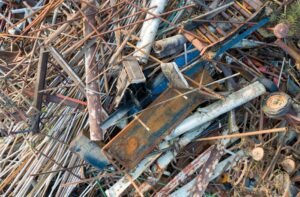
The process begins with collection. Whether it is demolition waste, automotive parts, or industrial offcuts, every piece of metal has a value. Once collected, metals are segregated into ferrous (containing iron) and non-ferrous categories. This sorting is critical because the chemical properties of these metals dictate their future use. For instance, while steel is magnetic and abundant, non-ferrous metals like copper and aluminium are highly prized for their conductivity and resistance to corrosion. If you are specifically dealing with high-value electrical cabling or plumbing materials, you should research scrap copper sydney to understand current market pricing and preparation requirements.
Understanding Metal Grades and Market Value
Not all scrap is created equal. The value of your metal is determined by its grade, purity, and the current market demand. In the context of scrap recycling Sydney, understanding these grades is the difference between a minor payout and a significant return on investment. Ferrous metals include steel, iron, and stainless steel. These are typically sold in bulk and are essential for the construction industry. Non-ferrous metals, however, are the “gold” of the recycling world. These include copper, brass, lead, zinc, and aluminium.
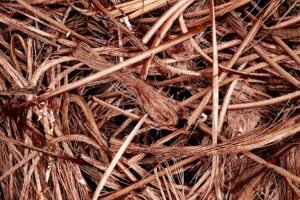
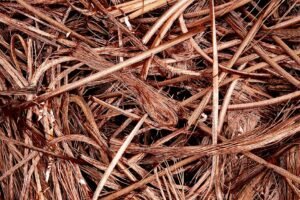
Copper, for example, is graded based on its cleanliness—whether it is ‘bright and shiny’ (stripped of insulation) or ‘burnt’ (which carries a lower value). Aluminium is often graded by its form, such as extruded sections, cast aluminium, or sheet metal. Because the market fluctuates daily based on the London Metal Exchange (LME) and local demand in New South Wales, it is vital to stay informed. Many users find it helpful to distinguish between the operational aspects of the industry by reading about Scrap Trading Vs Recycling Business, which clarifies how these entities function differently within the supply chain.
The Environmental and Economic Impact
The environmental argument for recycling is irrefutable. Mining for virgin ore is an energy-intensive process that leaves massive scars on the landscape. By recycling metal, we save up to 95% of the energy required to produce new aluminium and 75% for steel. In a region as environmentally conscious as New South Wales, the push toward sustainable industrial practices is stronger than ever. Recycling reduces greenhouse gas emissions, conserves water, and prevents toxic leachates from entering our soil and waterways.
Beyond the environmental benefits, there is a robust economic engine at play. The scrap industry creates thousands of jobs across Greater Sydney, from logistics and transport to specialized sorting and processing. When you choose to recycle, you are supporting a local ecosystem that keeps resources within Australia rather than exporting raw waste. To truly grasp the scale of this industry, it is worth exploring What Scrap Trade Actually Is, as it provides context on how global commodity prices influence local collection efforts.
Navigating the Industry: Choosing the Right Partner
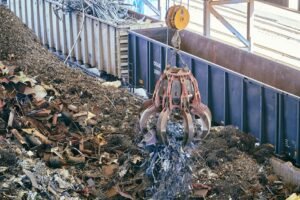
When searching for scrap dealers sydney, it is important to choose a partner who offers transparency. A professional dealer should provide clear weight measurements, fair grading, and competitive pricing based on real-time data. Whether you are a tradesperson working on a site in Western Sydney or a homeowner cleaning out a shed in the North Shore, the experience should be seamless. A reputable dealer will have the equipment to handle large volumes, including weighbridges and heavy-duty loading machinery.
Always inquire about the facility’s compliance with EPA regulations. In New South Wales, waste management is strictly governed, and you want to ensure that your scrap is being processed in a facility that prioritizes safety and environmental protection. For those looking for comprehensive resources on how to manage their metal waste, the Scrap.Trade platform offers a wealth of information for both beginners and industry veterans. Similarly, for professional-grade insights and market updates, visiting the official Scrap Trade website can help you stay ahead of industry trends.
Operational Logistics: From Collection to Processing
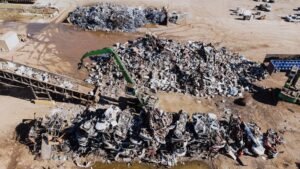
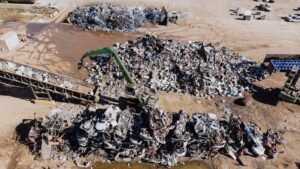
The logistics of moving scrap metal are often underestimated. In a sprawling metropolitan area like Sydney, transport efficiency is key. Large-scale recycling operations utilize hook-lift bins, flatbed trucks, and crane-mounted vehicles to collect materials from industrial sites. For smaller quantities, drop-off centers are the most common solution. The goal is to minimize the carbon footprint of the collection process itself, which is why many companies are optimizing their routes across the Greater Sydney region.
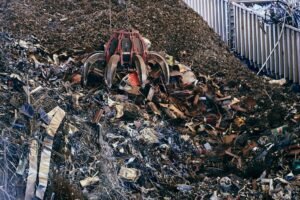
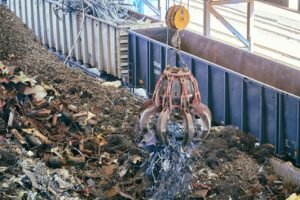
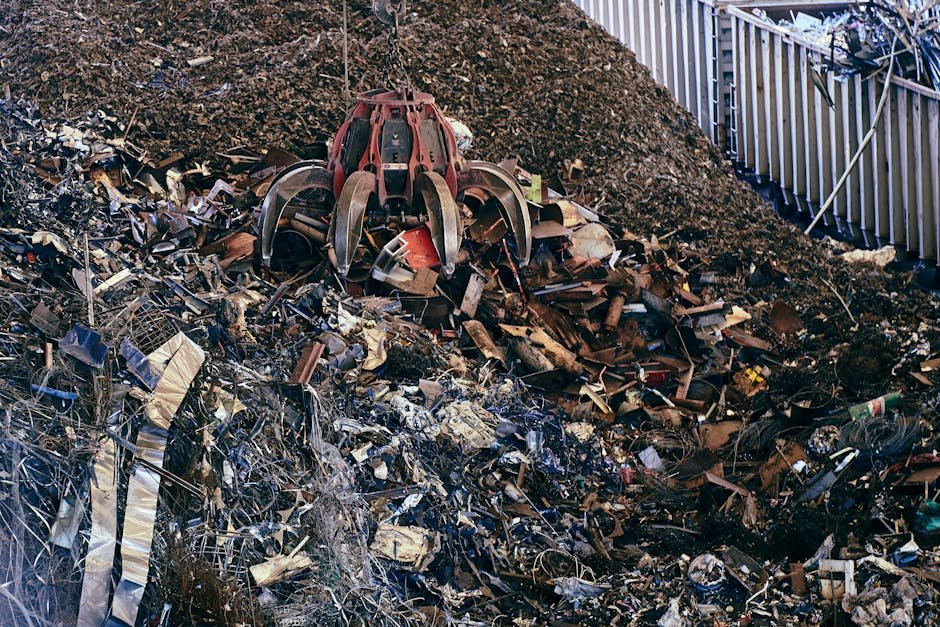
Once the metal arrives at the processing facility, it undergoes a series of transformations. First, it is weighed. Then, it is inspected for contaminants. If you are recycling copper or aluminium, any plastic, rubber, or steel attachments must be removed to achieve the highest grade. The metal is then shredded or sheared into smaller, uniform pieces. This increases the surface area for smelting, making the melting process more efficient. Finally, the metal is baled or stored in bulk, ready to be shipped to smelters where it will be cast into new ingots, ready to start its life cycle all over again.
Future Trends in Metal Recycling
The future of the industry is being shaped by technology. We are seeing the rise of automated sorting systems that use X-ray fluorescence (XRF) and optical sensors to identify metal alloys with extreme precision. This reduces human error and allows for higher purity levels in recycled materials. Furthermore, the push for “circularity” in the construction sector means that more developers are looking for ways to incorporate recycled steel into new builds, creating a closed-loop system that drastically reduces the carbon footprint of new infrastructure.
In Sydney, we are seeing a shift toward more localized processing hubs. This reduces the need for long-haul transport and fosters stronger ties between the recycling industry and local manufacturing. As we move toward a net-zero future, the role of scrap recycling will only become more critical. By participating in this system, every individual and business in New South Wales is playing a part in a global movement toward sustainability.
Practical Tips for Maximizing Your Scrap Value
If you want to get the most out of your scrap, preparation is key. Here are a few expert tips to follow:
- Separate your metals: Don’t mix copper with steel. Sorting your scrap before you arrive at the yard will save you time and ensure you get the best price for each grade.
- Clean your materials: Remove non-metal components like insulation, plastic handles, or wood. Clean metal is always worth more than contaminated scrap.
- Keep it dry: While most metals can handle the weather, keeping your scrap under cover prevents oxidation and maintains the integrity of the material.
- Understand the market: Prices change. If you have a large stockpile, keep an eye on market trends to decide the best time to sell.
- Build relationships: If you are a regular supplier, find a dealer you trust. Consistent business often leads to better service and more reliable pricing.
By following these simple steps, you contribute to a more efficient recycling chain and ensure that you are compensated fairly for your efforts. Whether you are dealing with small quantities of household scrap or large-scale industrial waste, the principles of cleanliness, sorting, and market awareness remain the same. The recycling industry in Sydney is a vital component of our economy and our environment, and your participation is what makes it work.
Frequently Asked Questions
What is the most valuable metal to recycle?
Non-ferrous metals like copper, brass, and high-grade aluminium typically command the highest prices due to their scarcity and the energy required to mine them from scratch.
Do I need a license to sell scrap metal in Sydney?
For private individuals, you generally do not need a license, but you must provide valid government-issued identification to comply with anti-theft regulations in New South Wales.
How do I know if my metal is ferrous or non-ferrous?
The easiest way is to use a magnet; if the magnet sticks to the metal, it is ferrous (like steel or iron). If it does not stick, it is likely a non-ferrous metal such as copper, aluminium, or brass.
Why is it important to strip insulation from copper wire?
Stripping insulation removes the plastic contaminant, allowing the copper to be classified as ‘bright and shiny’ or ‘number 1’ grade, which fetches a significantly higher price than insulated or burnt wire.