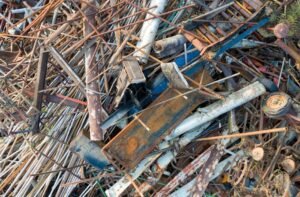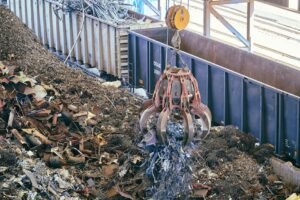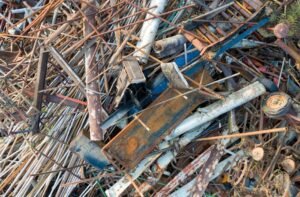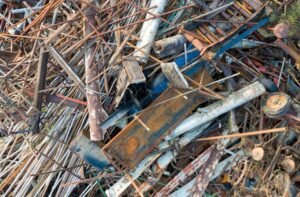

Scrapping online has transformed the way Australian businesses and individuals turn metal waste into profit, providing a fast, transparent, and regulated pathway from scrap to new product.
Why Scrapping Online Matters in 2024
In the past decade, the Australian scrap metal market has shifted from traditional yard‑to‑yard transactions to a sophisticated digital ecosystem. The rise of platforms such as the Scrap Trade marketplace enables sellers to list online scraps with real‑time market data, while buyers can source specific grades from coast to coast. This shift reduces transaction costs, shortens payment cycles, and improves traceability, which is essential for compliance with the Australian Government’s waste‑tracking legislation. Moreover, the convenience of digital tools aligns with broader sustainability goals, allowing more material to be diverted from landfill and re‑entered into the circular economy.
According to the Department of Industry, Science, Energy and Resources, metal recycling in Australia avoided the emission of over 12 million tonnes of CO₂e in 2022 alone. By moving the entire process online, participants gain access to better price discovery, faster logistics, and data‑driven insights that help them optimise their scrap streams. The synergy between technology and recycling expertise is why Why Scrap Trade Online Is Growing is a frequently asked question among industry stakeholders.
Understanding Grades of Scrap Metal
Accurate grading is the cornerstone of any successful scrapping online operation. Grades determine the material’s purity, alloy composition, and ultimately its market value. Below is a concise overview of the most common grades encountered in Australian markets:
- Ferrous Metals: Includes mild steel, stainless steel, and cast iron. Mild steel (grade 1018) is the most abundant and typically commands lower prices, while stainless steel (grade 304/316) commands premium rates due to its corrosion resistance.
- Non‑Ferrous Metals: Aluminium (AA3003, AA6061), copper (C110, C122), brass, and zinc. Aluminium is lightweight and highly recyclable, often fetching high rates because of its demand in the automotive and packaging sectors.
- Precious Metal Content: Small amounts of gold, silver, or palladium can be present in electronic scrap. Even trace quantities can significantly increase the overall value when correctly identified.
- Mixed or Contaminated Loads: These contain a blend of ferrous and non‑ferrous metals, plastics, or other contaminants. While they are less valuable per tonne, they are still marketable when processed correctly.
Online platforms typically provide detailed grading guidelines and allow sellers to upload photos, weight certificates, and assay reports. This transparency helps buyers verify quality before purchase, reducing disputes and returns. For those new to the process, reading the Why Scrap Sellers Are Moving Online article can clarify how digital grading tools streamline the entire workflow.
How Recycling Works: From Collection to Re‑Manufacture
The recycling chain begins the moment a piece of metal is placed in a collection bin. In a scrapping online scenario, the journey is digitised at each stage:
- Collection & Transport: Licensed haulers pick up the scrap, often using GPS‑tracked trucks that feed data back to the online portal. This real‑time tracking ensures compliance with the National Waste Report and provides sellers with proof of transport.
- Sorting & Segregation: At the processing facility, advanced sensors—such as X‑ray fluorescence (XRF) and laser‑based sorting—separate metals by grade. The data is instantly uploaded to the seller’s account, confirming the exact composition of the load.
- Processing: Depending on the grade, metals are shredded, melted, or chemically treated. For example, aluminium is shredded, cleaned, and melted at temperatures around 660 °C, while copper undergoes electrolytic refining to achieve high purity.
- Re‑Manufacture: The molten metal is cast into ingots or billets, which are then sold to manufacturers for new products ranging from automotive parts to building materials.
Each step adds value and reduces the environmental footprint of the original material. By using a digital platform, every transaction is recorded, creating an audit trail that satisfies both corporate sustainability reporting and government regulations.
Environmental Benefits of Scrapping Online
Scrapping online amplifies the ecological advantages of traditional recycling by minimising unnecessary transport, reducing energy consumption, and improving material recovery rates. Key benefits include:
- Reduced Greenhouse Gas Emissions: Transport optimisation algorithms cut average haul distances by up to 30 %, directly lowering diesel‑related CO₂ emissions.
- Higher Recovery Rates: Precise grading and automated sorting increase the purity of recycled metal, meaning less virgin ore extraction and lower associated mining impacts.
- Conservation of Natural Resources: Recycling aluminium saves up to 95 % of the energy required to produce primary aluminium, while copper recycling saves 85 % of the energy needed for new production.
- Landfill Diversion: Digital marketplaces make it easier for small generators—such as construction sites or households—to find a buyer, preventing metal waste from ending up in landfill.
These outcomes align with Australia’s National Waste Policy, which targets a 70 % recycling rate for metals by 2030. By participating in a Online Scrap Auction, sellers contribute to a national strategy that balances economic growth with environmental stewardship.
Practical Tips for Maximising Value When Scrapping Online
To achieve the best price and smooth transaction, consider the following proven strategies:
- Know the Current Market: Use tools like the price scrapping calculator to monitor daily price fluctuations for each grade.
- Separate Grades Early: Pre‑sorting at the source reduces processing fees and increases the final price per tonne.
- Maintain Clean, Dry Loads: Moisture and contaminants such as paint or oil lower the metal’s value and may incur additional cleaning charges.
- Document Weight Accurately: Use calibrated scales and upload the certificate to the platform; transparent documentation speeds up payment.
- Leverage Auctions: For high‑value grades like stainless steel or copper, an online auction can drive competitive bidding and push prices above the spot market.
Remember that the speed of payment often depends on the platform’s verification process. Choosing a reputable service that offers electronic funds transfer within 48 hours can improve cash flow for small businesses.
Using Online Platforms: Features That Make a Difference
Modern scrapping online platforms integrate several features designed to simplify the seller experience:
- Real‑Time Pricing Dashboards: Live feeds of commodity prices allow sellers to time their listings for optimal returns.
- Automated Quote Generation: By entering weight and grade, the system instantly produces a binding quote, reducing back‑and‑forth negotiations.
- Secure Payment Gateways: Encrypted transactions protect both parties and ensure compliance with Australian financial regulations.
- Logistics Coordination: Integrated haulage services can be booked directly through the portal, often at discounted rates due to volume aggregation.
- Data Analytics: Sellers receive monthly reports on volume, revenue, and market trends, supporting strategic decision‑making.
Platforms that also host an Online Scrap Auction give sellers the flexibility to choose between fixed‑price listings and competitive bidding, depending on the material’s market dynamics.
Regulatory Compliance and Safety Considerations
Australia’s waste‑management framework imposes strict obligations on scrap generators, transporters, and processors. Key regulatory points include:
- National Waste Report (NWR) Registration: All commercial scrap dealers must be listed on the NWR to legally trade metal waste.
- Environmental Protection Licences (EPL): Facilities that melt or treat metals need an EPL, ensuring emissions are within permitted limits.
- Work Health and Safety (WHS) Standards: Proper PPE, lift plans, and safe handling procedures must be documented and followed.
- Documentation: A chain‑of‑custody record—often generated automatically by online platforms—proves that the material has been transferred responsibly.
Failure to comply can result in hefty fines and loss of market access. By using a compliant online service, sellers automatically inherit the platform’s audit‑ready records, simplifying their own reporting obligations.
Future Trends: The Next Wave of Digital Scrap Trading
Looking ahead, several emerging technologies will further reshape scrapping online:
- Blockchain Traceability: Immutable ledgers will enable end‑to‑end verification of metal provenance, boosting buyer confidence and potentially unlocking premium pricing.
- Artificial Intelligence (AI) Grading: Machine‑learning models trained on millions of XRF scans will predict grades with sub‑percent accuracy, reducing manual inspection costs.
- IoT‑Enabled Bins: Smart collection containers will weigh and identify metals on‑site, instantly updating the seller’s dashboard.
- Carbon Credit Integration: Platforms may allow sellers to earn tradable carbon credits for each tonne of metal recycled, adding a new revenue stream.
Early adopters who integrate these innovations will gain a competitive edge, positioning themselves as leaders in Australia’s circular economy. For a deeper dive into how digital transformation is influencing the scrap sector, explore the article on Why Scrap Trade Online Is Growing.
Conclusion: Turning Waste into Wealth Through Scrapping Online
Scrapping online is more than a convenience; it is a strategic lever for profitability, compliance, and sustainability. By understanding grades, leveraging digital tools, and adhering to regulatory standards, Australian sellers can maximise revenue while contributing to national environmental targets. Whether you are a small construction firm, a large manufacturing plant, or an individual with household metal waste, the digital marketplace offers a transparent, efficient, and eco‑friendly pathway to turn scrap into cash.
Ready to start? Visit ScrapTrade Australia to create your free account, upload your first load, and experience the future of metal recycling today.
Related: online scraps
Frequently Asked Questions
What are the main grades of scrap metal in Australia?
The primary grades include ferrous metals like mild steel and stainless steel, non‑ferrous metals such as aluminium, copper, brass, and zinc, and precious‑metal‑containing electronic scrap. Each grade has distinct market values based on purity and alloy composition.
How does scrapping online improve environmental outcomes?
Online platforms optimise transport routes, reduce haul distances, and enable precise sorting, which together lower greenhouse‑gas emissions, increase material recovery rates, and conserve natural resources compared with traditional methods.
Can I sell mixed or contaminated scrap online?
Yes, most platforms accept mixed loads, but they are priced lower. Pre‑sorting and cleaning before listing can significantly improve the price per tonne and reduce processing fees.
What documentation is required for online scrap transactions?
A valid weight certificate, grade verification (often via XRF or photos), and a chain‑of‑custody record generated by the platform are typically required to ensure compliance and secure payment.