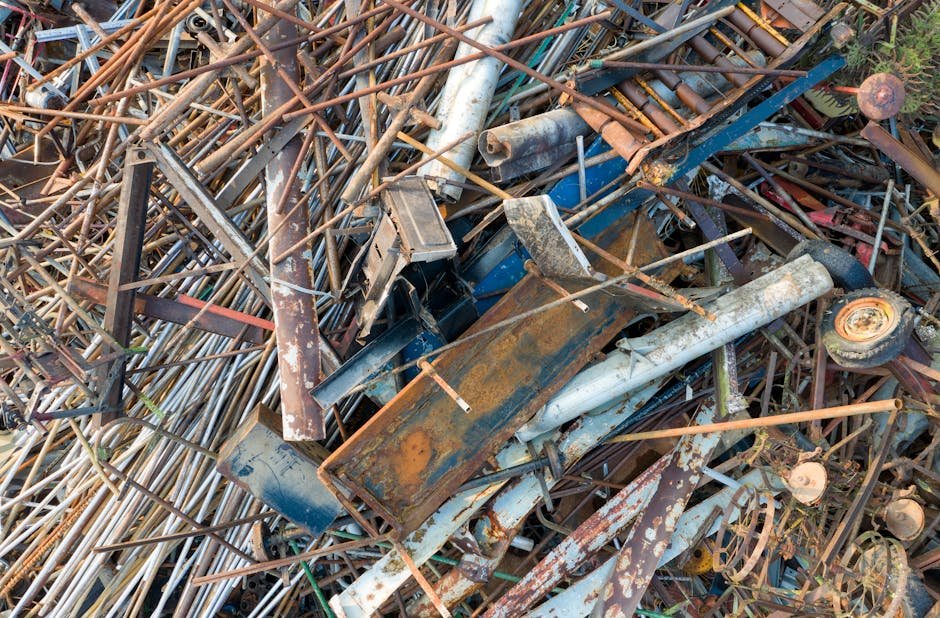

Understanding the nuances of scrapts is the first step toward participating in the circular economy, where discarded metal finds new life in industrial manufacturing. As Australia moves toward more sustainable infrastructure, the role of professional scrap metal recycling becomes increasingly critical for both businesses and individual traders. Whether you are managing industrial demolition debris or simply clearing out a workshop, knowing how to categorize your materials ensures you receive fair market value while contributing to a greener future.
The Fundamentals of Metal Classification
In the industry, we often refer to the collective pool of recyclable metals as scrapts, a term that encompasses everything from household aluminum to heavy-duty industrial copper. Proper classification is the cornerstone of the recycling process. Metals are generally divided into two main categories: ferrous and non-ferrous.
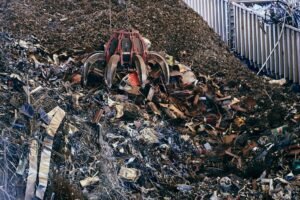
- Ferrous Metals: These contain iron and are magnetic. Common examples include carbon steel, alloy steel, wrought iron, and cast iron. Because of their high volume and relative abundance, they are the backbone of the construction and automotive industries.
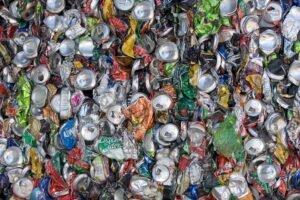
- Non-Ferrous Metals: These do not contain iron and are prized for their resistance to rust and superior conductivity. This category includes copper, aluminum, brass, lead, and zinc. Because these metals do not lose their chemical properties during the recycling process, they can be recycled infinitely without degradation.
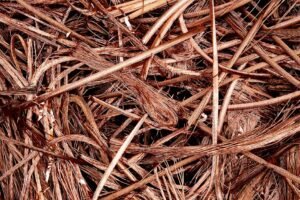
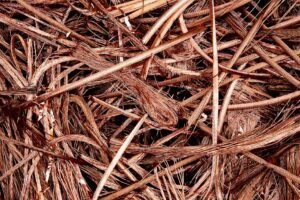
When you engage with a platform like global scrap metal trading, you will quickly learn that purity is the most important factor in determining the value of your materials. Contamination—such as plastic coatings on copper wire or steel bolts attached to aluminum beams—can significantly lower the grade and, consequently, the price of your load.
How the Recycling Process Works
The journey of scrap metal from a pile of waste to a raw manufacturing input is a highly engineered process. Once material is collected, it undergoes a series of rigorous steps to ensure it meets industrial standards. First, the material is sorted. Advanced facilities use magnets, eddy currents, and X-ray fluorescence (XRF) technology to separate metals with high precision.
After sorting, the metal is shredded. Shredding breaks the material into small, uniform pieces, which increases the surface area for the next stage: melting. By melting the metal down into molten form, impurities can be skimmed off the top. The molten metal is then cast into ingots or billets, which are ready to be sold to manufacturers. For those looking to streamline their logistics and find reputable buyers, utilizing Australian scrap metal market services provides the transparency needed to navigate these complex supply chains effectively.
The Environmental Imperative
The environmental case for managing scrapts efficiently is overwhelming. Mining virgin ore is an energy-intensive process that involves massive land disruption, habitat destruction, and significant water usage. By contrast, recycling metal requires a fraction of the energy. For instance, recycling aluminum uses approximately 95% less energy than producing new aluminum from bauxite ore.
Beyond energy savings, recycling reduces the carbon footprint associated with the entire supply chain. It prevents metals from ending up in landfills, where they can leach harmful toxins into the groundwater over time. By keeping metals in circulation, we reduce the demand for new mining operations, effectively preserving natural landscapes for future generations. This transition to a circular economy is not just an ethical choice; it is a business imperative in the modern regulatory climate.
Maximizing Value in the Scrap Market
To get the most out of your scrap, you must treat it like a commodity. Market prices fluctuate daily based on global supply and demand, geopolitical events, and currency exchange rates. To maximize your returns, consider the following strategies:
- Clean your scrap: Removing non-metallic attachments like rubber, wood, or glass increases the grade and value of your metal.
- Sort by type: Never mix your metals. A small amount of copper mixed into a bin of aluminum will result in the entire load being downgraded to “mixed scrap” prices.
- Track the market: Use digital platforms to monitor price trends. Selling during a market peak can make a significant difference in your bottom line.
- Prepare for transport: Large, organized loads are easier for recycling facilities to process, which can sometimes lead to better pricing agreements.
The Future of Metal Recycling Technology
Innovation is driving the scrap industry forward. New technologies, such as AI-powered sorting robots and advanced spectral imaging, are making it easier to identify and separate complex alloys. This means that even “dirty” scrap that was previously considered waste can now be recovered. As these technologies become more affordable, we expect to see an increase in the recovery rate of precious metals from electronic waste, a growing segment of the industry.
Regulatory Compliance and Safety
Operating within the scrap industry requires adherence to strict environmental and safety regulations. In Australia, facilities must comply with state-based environmental protection laws to ensure that hazardous materials, such as lead-acid batteries or mercury-containing switches, are handled safely. As a trader, you play a role in this chain of custody. Always ensure you are working with licensed facilities that prioritize environmental stewardship and worker safety. Improper handling of scrap can lead to severe environmental penalties and safety hazards for your team.
In conclusion, the management of scrapts is a vital component of the global economy. By understanding how to classify, prepare, and trade your metal, you are not only securing a better financial return but also contributing to a more sustainable planet. Whether you are a small-scale recycler or a large industrial entity, the principles remain the same: purity, organization, and a commitment to the circular economy will always yield the best results.
Frequently Asked Questions
What is the most valuable type of scrap metal?
Non-ferrous metals like copper and brass typically command the highest prices due to their high demand and infinite recyclability. Prices can vary based on purity levels and current global market conditions.
Why does mixing different types of metal lower the price?
Mixing metals creates ‘contaminated’ loads that are difficult to process and melt down. Recyclers must spend extra time and resources to separate these materials, which reduces the overall value of the shipment.
How can I find the current price for my scrap?
You can track market trends by using dedicated scrap trading platforms or checking local metal exchange indices. Prices change frequently, so it is best to check just before you plan to sell.
Is it worth recycling small amounts of scrap?
While small amounts may not yield significant individual profit, consistent recycling prevents waste from entering landfills. Many facilities offer drop-off services that make it easy to contribute to environmental goals even with smaller loads.