
When you are selling copper, understanding the nuances of the Australian metal market is the difference between a modest payout and a significant profit. As a high-demand industrial commodity, copper remains the gold standard for scrap collectors and tradespeople alike. Whether you are a demolition contractor, an electrician, or a homeowner clearing out a shed, the process of selling copper requires a strategic approach to grading and timing. By mastering the classification of materials—ranging from bare bright copper to lower-value number 2 copper—you position yourself to capture the highest possible copper price per kg. This guide serves as your comprehensive authority on navigating the scrap metal industry, ensuring that every kilogram you bring to a scrap dealer is valued at its true market potential.
Understanding Copper Grades and Market Value
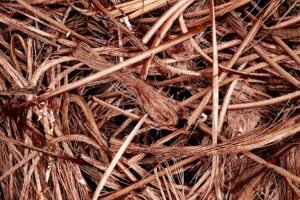
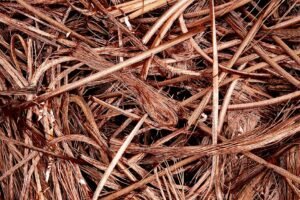
The first step in selling copper is accurate identification and sorting. Copper is not a monolith; its value is dictated by purity, contamination levels, and the cost of processing. The highest grade, known as ‘Bare Bright,’ consists of unalloyed, uncoated, and uninsulated copper wire that is clean and free of any oxidation or debris. This grade commands the highest price because it is ready for immediate recycling. Conversely, ‘Number 2 Copper’ includes wire that may have slight oxidation, solder, or paint, or pipe that has been used and contains fittings. When preparing your load, you must understand that even a small amount of contamination—such as plastic insulation, brass fittings, or steel screws—can downgrade your entire batch to a lower price tier. For those looking to dive deeper into the technicalities of metal recycling, our guide on Maximizing Your Returns in Australian Scrap Metal Recycling provides essential insights into processing efficiency. Always aim to strip your copper wire using a wire stripping machine; the labor involved in removing PVC insulation is almost always offset by the significantly higher price per kilogram paid for bright, clean wire.
Where to Sell and Finding the Best Price
Choosing the right partner is vital. You should look for a licensed Scrap Copper yard that operates with transparency and integrity. When searching for ‘where to sell,’ prioritize facilities that use calibrated, public-facing scales so you can witness the weighing process firsthand. You can easily find local options by searching for Scrap Copper Prices Near Me to compare daily rates. It is a common misconception that all scrap dealers offer the same price; in reality, prices fluctuate based on the dealer’s export contracts, local demand, and their own overheads. Establishing a relationship with a reliable dealer is often better than chasing the absolute highest price for a single load. If you are part of a larger network, joining a Copper Scrap Group can provide you with real-time intelligence on regional price trends, helping you decide whether to sell today or hold your stock for a better market window. Always verify the dealer’s credentials and check their reputation through industry associations like the Australian Council of Recycling (ACOR).
The Importance of Preparation and Processing
Processing your scrap is the most effective way to increase your profit margins. For instance, copper pipe that has been used in plumbing often contains brass or lead-tin solder. If you leave these fittings attached, the yard will purchase the material as ‘Number 2’ or ‘Mixed’ copper. By simply removing the fittings with a hacksaw or a pipe cutter, you can often upgrade the material to ‘Number 1’ status, which commands a premium. Furthermore, consider the environmental impact and the logistics of your load. Large, loose piles of copper wire are difficult to transport and handle. Bundling your wire and organizing your scrap into clearly labeled bins not only speeds up the transaction at the yard but also demonstrates to the dealer that you are a professional operator. This, in turn, can lead to better long-term pricing agreements. Remember that scrap yards are businesses; they value customers who bring in clean, well-sorted material because it reduces their own labor costs. For more information on professional standards, visit Scrap Trade for industry-wide best practices.
Documentation and Compliance Requirements
In Australia, the scrap metal industry is heavily regulated to prevent the trade of stolen goods. When you arrive at a yard, you must be prepared to provide valid photo identification, such as a driver’s license or passport. Most states now require scrap dealers to record the details of the seller, the vehicle registration, and in some cases, the bank account details for electronic funds transfer (EFT). Cash payments for scrap metal are strictly regulated or outright banned in several Australian states to discourage illicit activity. Familiarize yourself with the local legislation in your state, as compliance is not just a legal requirement but a hallmark of a professional seller. Maintaining a simple logbook of your sales—including dates, weights, and the prices received—will help you track your revenue and understand the trends in the market over time. For official resources and industry updates, check Scrap Trade Australia to stay informed on the latest regulatory changes affecting the sector.
Market Trends and Timing Your Sale
Copper is a global commodity, and its price is heavily influenced by the London Metal Exchange (LME) and the strength of the Australian dollar. When the AUD is weak against the USD, the price of copper in Australia tends to rise, as the commodity is traded internationally in US dollars. Following global economic news—particularly manufacturing data from China, the world’s largest consumer of copper—can give you a ‘heads-up’ on where the market is heading. If you have a large volume of material, you might choose to store it during periods of market volatility and sell when the price hits a peak. However, for smaller quantities, the cost of storage and the risk of theft usually outweigh the potential gains from timing the market. The best strategy for most individuals is to sell consistently, ensuring that you are always moving your inventory and maintaining a steady cash flow rather than speculating on future price movements. Keep an eye on daily market reports to ensure the price you are offered matches the current global sentiment.
Operational Safety and Material Handling
Safety is non-negotiable when handling scrap metal. Copper pipe and wire can have sharp, jagged edges that pose a significant risk of deep cuts and infections. Always wear heavy-duty, cut-resistant gloves and sturdy, steel-toed boots when loading and unloading your scrap. If you are stripping wire, be cautious of the blades used in manual or electric stripping machines. Furthermore, consider the weight of your load; overloading your vehicle can lead to mechanical failure or legal issues on the road. Distribute the weight evenly across your trailer or truck bed to ensure stability during transport. If you are dealing with large volumes of industrial scrap, consider hiring a skip bin from a reputable recycler to manage the collection process safely. By prioritizing safety, you protect yourself and your equipment, allowing you to focus on the business of maximizing your scrap returns. Never attempt to burn insulation off copper wire; this is illegal in most Australian jurisdictions due to toxic emissions, and it will significantly degrade the quality of the copper, making it worthless to reputable scrap dealers.
Building Long-Term Relationships with Dealers
The most successful scrap sellers view their relationship with the dealer as a partnership. Once you have identified a yard that offers fair pricing and professional service, stick with them. Over time, as you become a regular, you may be able to negotiate better rates or receive faster service during peak hours. Dealers appreciate consistent, high-quality, and well-sorted material. If you can provide a reliable supply of clean copper, you become a preferred client. This is especially important for tradespeople who generate scrap as a byproduct of their daily work. By integrating scrap management into your business workflow, you turn a waste product into a consistent revenue stream. Always ask your dealer for feedback on your sorting; they will often tell you exactly what they need to see to pay the top-tier price. This collaborative approach is the hallmark of professional scrap trading and will ensure that you remain profitable regardless of fluctuations in the global copper market.
Frequently Asked Questions
Why is it important to strip insulation from copper wire?
Stripping insulation removes non-metallic material, allowing the copper to be classified as a higher grade like ‘Bare Bright.’ This significantly increases the price per kilogram compared to selling insulated wire.
Can I get paid in cash for selling copper in Australia?
Most Australian states have implemented legislation banning cash payments for scrap metal to combat the trade of stolen goods. You should expect to receive payment via electronic funds transfer (EFT) directly to your bank account.
What is the difference between Number 1 and Number 2 copper?
Number 1 copper is clean, unalloyed, and free of oxidation or solder, while Number 2 copper may contain minor contamination such as solder, paint, or slight oxidation. Number 1 copper commands a higher market price.
How often do scrap copper prices change?
Scrap copper prices are tied to the London Metal Exchange and currency fluctuations, meaning they can change daily. It is recommended to check current local rates with your dealer on the day you intend to sell.