
Successfully selling junk metal requires more than just gathering old pipes and wires; it demands a strategic approach to material classification, market timing, and logistics. Whether you are a tradesperson clearing a site or a homeowner cleaning out a shed, the Australian scrap industry operates on strict grading standards that dictate your payout. By understanding how to prepare your load and identifying where to sell, you can transform what many consider waste into a significant revenue stream. This guide provides the professional insights needed to navigate the complexities of the scrap metal market, ensuring you secure the best price for every kilogram you trade.
The Strategic Importance of Sorting and Grading
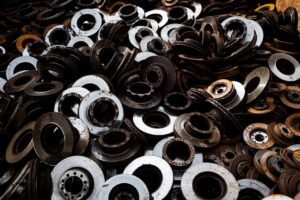
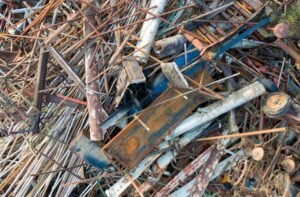
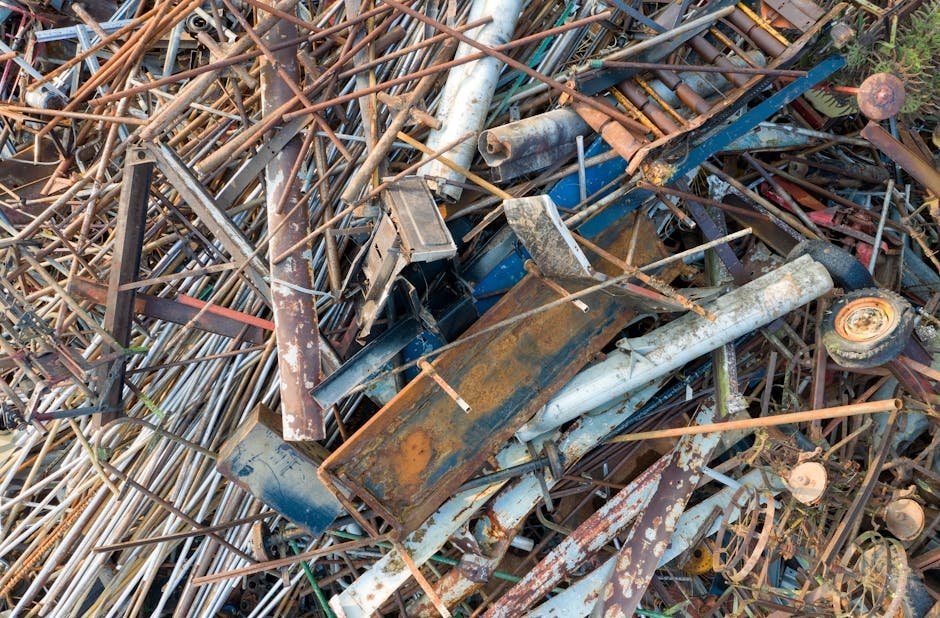
The primary driver of your profit margin is the purity of your load. Scrap dealers operate on tight margins and prioritize clean, sorted material because it saves them labor costs in processing. When you arrive at a yard with mixed loads, you are often paid the lowest common denominator price—usually the rate for ‘mixed light steel’—which is significantly lower than the price for clean copper or aluminum. To optimize your earnings, you must separate your metals into distinct categories: ferrous (magnetic, like iron and steel) and non-ferrous (non-magnetic, like copper, brass, aluminum, and stainless steel).
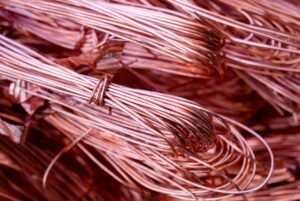
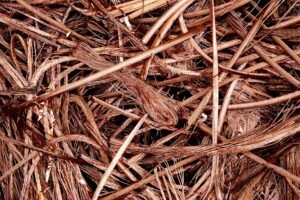
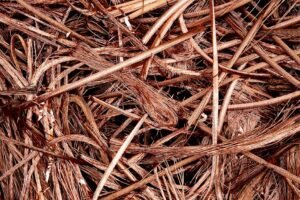
Beyond basic separation, you must remove ‘attachments.’ A copper pipe with solder, brass fittings, or plastic insulation significantly degrades the grade of the copper. For those dealing with specialized industrial waste, consulting a Telecom Scrap Metal Selling Guide can help you understand how to strip cables effectively to reach the high-value bright shiny copper grade. Similarly, if you are managing HVAC decommissioning, our Hvac Scrap Metal Selling Guide provides the necessary steps to safely remove compressors and coils, which are high-value components that should never be sold as mixed steel.
Practical tip: Use a strong magnet to test your materials. If it sticks, it is ferrous. If it does not, it is likely non-ferrous and worth significantly more. Keep a dedicated area in your workshop or garage for sorting as you work. This habit prevents the accumulation of ‘dirty’ scrap that requires hours of labor to clean later. Remember, the goal of selling junk metal is to provide the dealer with a ‘ready-to-melt’ product, which commands the highest market premium.
Understanding Market Trends and Scrap Metal Prices
The scrap industry is a global commodities market. Scrap Metal Prices fluctuate daily based on international demand, particularly from manufacturing hubs in Asia. To ensure you receive the best price, you should track these trends. While you cannot influence global commodity prices, you can influence your timing. If you have a large volume of non-ferrous scrap, it is often worth holding onto it until the market hits a peak, provided you have the storage space.
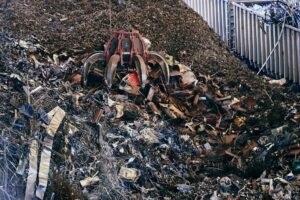
Many sellers make the mistake of visiting the first yard they find. Instead, research local yards and compare their ‘buy’ prices. Some yards specialize in heavy industrial steel, while others focus on high-value non-ferrous materials. If you have a massive load of aluminum extrusions, find a yard that has a specific export contract for that material. They will invariably pay more than a generalist yard that has to move your material through a middleman. You can find reputable yards through professional scrap metal networks in Australia to ensure you are dealing with licensed, ethical operators.
Furthermore, consider the logistics of your sale. If you have a large quantity of material, the cost of fuel and time spent driving to a yard can eat into your profits. In such cases, look for services offering Fast Metal Junk Pickup: Cash for Scrap Today. While the price per kilogram might be slightly lower than if you delivered it yourself, the savings in time and vehicle wear-and-tear often result in a higher net profit for the project.
Legal Requirements and Documentation
The Australian scrap metal industry is strictly regulated to prevent the trade of stolen goods. When selling junk metal, you are legally required to provide specific identification. Most states require a current driver’s license or a passport, along with proof of your residential address. Some jurisdictions also mandate that yards record the vehicle registration number used to deliver the scrap.
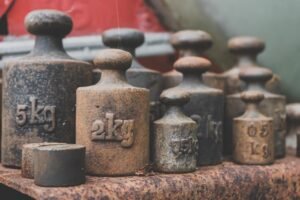
Be wary of any scrap dealer who does not ask for identification. This is a red flag indicating an unlicensed or ‘backyard’ operator. Dealing with these entities is not only illegal but also risky, as they often lack the equipment to accurately weigh your material, leading to ‘short-weighing’ scams. A professional yard will use certified, calibrated scales, often with a digital display visible to you during the weighing process. Always request a printed receipt that itemizes the weights and grades of the materials you sold. This documentation is essential for your business records and tax reporting.
In addition to personal ID, if you are a business owner selling large quantities of scrap, you may need to provide an ABN and a tax invoice. This is particularly important for contractors who are disposing of demolition waste. By maintaining a clean paper trail, you protect yourself from potential audits and ensure that you are operating within the framework of state environmental and trade laws. If you are unsure about the documentation required in your specific state, contact the local environmental protection authority or a verified industry association.
Maximizing Value: The Professional Approach
To truly master the art of selling junk metal, you must treat it as a secondary revenue stream for your business or household. This means investing in the right tools. A simple angle grinder with a metal-cutting disc, a pair of heavy-duty bolt cutters, and a set of wire strippers can increase the value of your scrap pile by 30% to 50% compared to selling the items in their raw, assembled state.
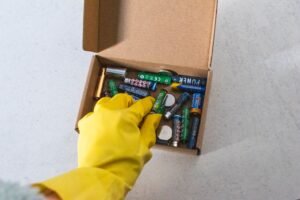
Consider the ‘hidden’ value in common items. For example, electric motors contain copper windings that are very valuable, but they are often sold as part of a heavy steel motor casing. If you have the tools to dismantle the casing and extract the copper, you are essentially doubling the value of that item. However, always weigh the labor cost against the potential gain. If it takes three hours to extract $10 worth of copper, your time is better spent elsewhere. Focus your efforts on high-yield items like copper piping, aluminum window frames, brass plumbing fixtures, and lead-acid batteries.
Another strategy is to build a long-term relationship with a specific yard. When you become a regular, reliable supplier of clean, well-sorted scrap, yard managers are more likely to offer you ‘above-board’ pricing. They value consistency. If you can guarantee a certain volume of high-quality material every month, you can negotiate a standing price agreement that protects you from minor market dips. This level of professional engagement is what separates the casual seller from the expert who consistently achieves the best price in the market.
Environmental Responsibility and Sustainable Disposal
Beyond the financial incentives, selling junk metal is a cornerstone of the circular economy. By recycling metal, you are significantly reducing the energy requirements and carbon emissions associated with mining and refining virgin ores. For instance, recycling aluminum uses 95% less energy than producing it from bauxite. When you choose to recycle through a legitimate scrap metal recycling facility, you are contributing to a massive reduction in landfill waste and environmental degradation.
Many modern scrap yards are now integrating advanced sorting technologies, such as X-ray fluorescence (XRF) analyzers, to identify metal alloys with precision. This allows for the recovery of specialty metals that were previously discarded. As a seller, your role is to ensure that hazardous materials, such as gas cylinders, sealed containers, or radioactive materials, are not mixed into your scrap. These items pose severe risks to yard workers and can lead to immediate rejection of your load. Always purge containers and ensure they are safe for handling before transport.
Furthermore, look for yards that are ISO-certified or members of the Australian Scrap Metal Recycling Association (ASMR). These certifications indicate that the yard adheres to strict environmental management standards, including the proper handling of fluids (like oil or coolant) that may be trapped in your scrap. Selling to these yards ensures that your waste is processed responsibly, which is an increasingly important factor for businesses looking to improve their corporate social responsibility (CSR) profile.
Logistics: Transportation and Safety
Safety is the most overlooked aspect of the scrap trade. Metal is heavy, sharp, and potentially unstable. When transporting large loads, use a trailer with high sides or a flatbed truck with proper tie-down points. Ensure your load is covered to prevent debris from falling onto the road, which is a legal requirement in most Australian states. If you are hauling heavy steel, distribute the weight evenly over the axles to ensure vehicle stability.
When unloading at the yard, follow the site instructions implicitly. Most yards have designated traffic flow patterns and specific drop-off zones for different metal types. Wear high-visibility clothing, steel-capped boots, and gloves. The scrap yard environment is industrial; treat it with the same caution you would a construction site. If you are unsure where to place your material, ask the yard staff before you start unloading. They are there to assist you and will appreciate your adherence to safety protocols.
Finally, keep a logbook of your sales. Tracking the date, the yard location, the weight, the grade, and the final payout allows you to analyze your performance over time. You might notice that certain times of the year yield better results or that specific items are consistently underperforming. This data-driven approach turns the act of selling junk metal into a refined, profitable process. By combining safety, legal compliance, and market knowledge, you position yourself to capture the maximum value from every piece of metal you recycle, ensuring that your efforts contribute both to your bottom line and to a more sustainable future for Australia.
Related: Scrap Metal Prices
Frequently Asked Questions
What is the most valuable metal to sell at a scrap yard?
Copper is consistently the most valuable common scrap metal, particularly bright shiny copper wire and clean copper piping. Other high-value materials include brass, stainless steel, and aluminum extrusions.
Do I need an ABN to sell scrap metal in Australia?
While individuals can sell scrap metal without an ABN, businesses or contractors disposing of site waste are generally required to provide an ABN and a tax invoice. Check your specific state regulations as some require business registration for large-scale transactions.
Why is my scrap metal price lower than the market rate I saw online?
The prices you see online are often ‘spot’ prices for massive, industrial-grade quantities. Local scrap yards must deduct their operational costs, transportation, and processing fees, which results in a lower payout for smaller or unrefined loads.
How can I tell if my metal is ferrous or non-ferrous?
Use a magnet; if the metal sticks to the magnet, it is ferrous (iron or steel) and generally worth less. If the magnet does not stick, it is non-ferrous (such as copper, aluminum, or brass) and typically commands a higher price.