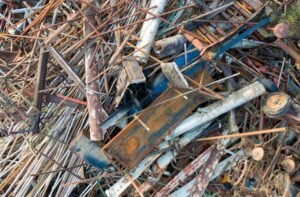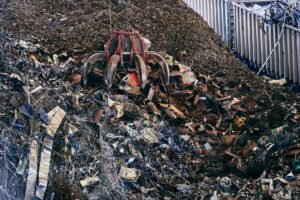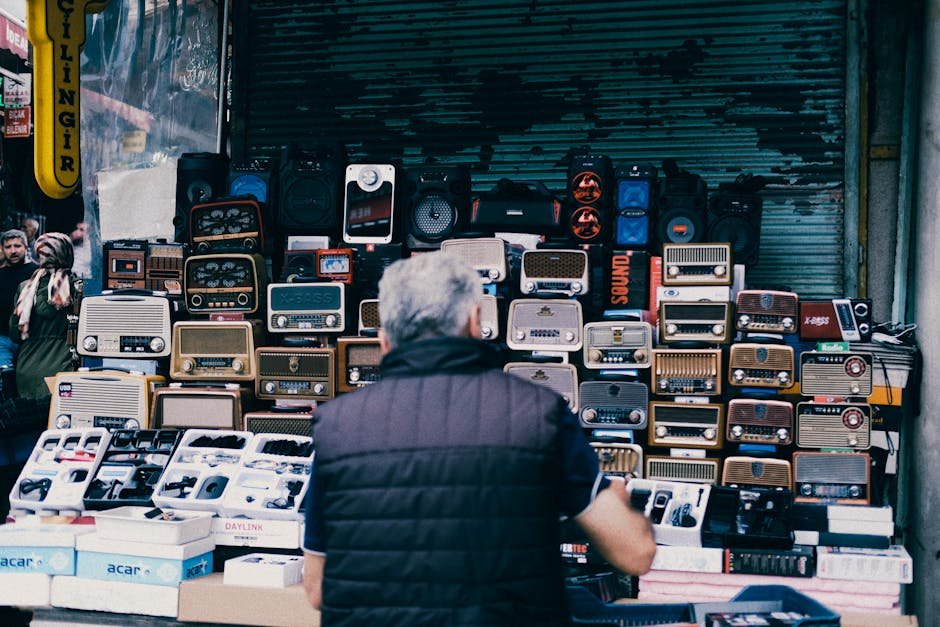

When you are selling second hand electronics in the Australian market, the difference between a mediocre payout and a high-value return often comes down to preparation, timing, and choosing the right buyer. Whether you are offloading a single high-end smartphone or a bulk load of decommissioned office hardware, understanding the lifecycle value of your devices is essential. The process of selling second hand electronics requires a strategic approach that balances data security, physical condition, and market demand. In this comprehensive guide, we will explore the nuances of the secondary market, from consumer-grade gadgets to industrial-grade components that might be better suited for a professional scrap metal dealer. By following these professional protocols, you can transform unused assets into significant liquid capital.
Maximizing Your Returns: The Strategy for Best Price
Achieving the best price for your electronics is not an accident; it is the result of meticulous preparation. Before listing your items, you must understand the current market valuation. High-demand items like iPhones, gaming consoles, and enterprise-grade laptops hold their value significantly longer than generic peripherals. To capture the best price, your listing must be professional. High-resolution photography, detailed descriptions of any cosmetic wear, and proof of purchase are non-negotiable. Furthermore, knowing when to sell is critical. For instance, selling a previous-generation device just before a new model launch typically results in a sharp depreciation. If you are dealing with bulk quantities of obsolete tech, you should look beyond retail marketplaces and contact a professional scrap metal recycling facility that specializes in electronic waste recovery. These facilities often pay based on the precious metal content—gold, silver, and copper—found within circuit boards, which can sometimes exceed the resale value of the device itself. Always check the Telecom Scrap Metal Selling Guide to understand how specific components, such as wiring and connectors, impact your final payout. If you are dealing with automotive-related electronics or complex assemblies, you might find that some components have secondary utility; for instance, if you are also clearing out a garage, you might find Second Hand Wheels for Sale – Low Prices, Fast Delivery, which can be bundled into your overall clearance strategy to attract buyers looking for comprehensive tech or mechanical solutions.
Where to Sell: Navigating Marketplaces and Scrap Dealers
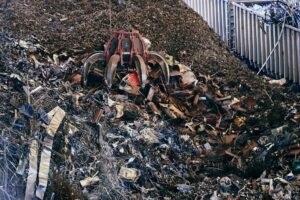
Choosing where to sell depends entirely on the condition and volume of your electronics. For functional, consumer-grade items, platforms like Facebook Marketplace, Gumtree, and eBay remain the dominant forces in Australia. These platforms offer the widest reach but require you to manage inquiries, negotiate prices, and handle logistics. However, when selling second hand electronics that are damaged, outdated, or strictly for parts, these retail platforms often fall short. This is where the professional scrap economy becomes your primary avenue for liquidity. A legitimate scrap dealer will assess your items based on their intrinsic material value. When you decide where to sell, consider the cost of your time. If you have hundreds of units of e-waste, the time required to photograph and list each item on a consumer marketplace is inefficient. Instead, securing a bulk deal with an e-waste recycler provides immediate cash for scrap and ensures that the items are processed in an environmentally compliant manner. Before finalizing any transaction, it is vital to perform due diligence. You must know How To Verify Scrap Buyers Before Selling to avoid scams and ensure that you are dealing with a licensed facility. Furthermore, always cross-reference your buyer’s credentials using the steps outlined in How To Verify Scrap Buyers Before Selling 2 to protect your financial interests and ensure compliance with local environmental regulations regarding e-waste disposal.
Data Security and Documentation Requirements
The most overlooked aspect of selling electronics is data sanitization. Before any device leaves your possession, you must ensure that all personal or corporate data is irrecoverably wiped. A factory reset is rarely sufficient for sensitive information; use industry-standard software to overwrite storage drives multiple times. When selling second hand electronics to a professional recycler, documentation is equally important. You will likely be required to provide proof of ownership, especially for high-value enterprise equipment. This prevents the circulation of stolen goods and is a standard requirement for reputable recyclers. Maintain a ledger of your serial numbers and, if possible, obtain a Certificate of Destruction if the items are being scrapped rather than resold. This protects you from liability should the hardware be recovered in a compromised state later. Always keep digital copies of your transaction receipts and any communication with the buyer. If you are selling to a scrap dealer for cash for scrap, ensure they provide a weighbridge ticket or a detailed manifest of the materials received. This transparency is the hallmark of a professional transaction and ensures you are paid accurately for the weight and grade of the metals provided.
The Economics of E-Waste: Why Scrap Value Matters
In the Australian market, the value of electronics is intrinsically linked to the global commodities market. Printed Circuit Boards (PCBs) contain trace amounts of gold, palladium, and copper that recyclers extract through sophisticated smelting processes. When you sell to a recycler, you are essentially selling the raw material value rather than the utility value of the device. This is why, for broken or obsolete tech, you will often find that a scrap dealer can offer a more consistent price than a private buyer. The best price for scrap is dictated by current London Metal Exchange (LME) prices. A savvy seller keeps an eye on these market trends. If copper prices are surging, your pile of old server cables and connectors will yield a significantly higher return. Understanding these market dynamics allows you to time your sales for maximum profit. Do not simply accept the first offer. Reach out to multiple recyclers, ask for their current price per kilogram for specific grades of e-waste, and compare their terms. Some buyers offer free collection for large volumes, which effectively increases your net profit by reducing your overhead costs. Always prioritize buyers who are transparent about their grading process; they should be willing to explain how they categorize your items into high-grade (high gold content) and low-grade (steel/plastic heavy) materials.
Logistics and Preparation for Bulk Sales
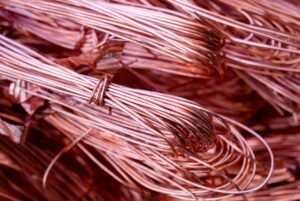
When you are moving large quantities of electronics, logistics become the biggest hurdle. Preparing your inventory for a scrap dealer requires sorting. If you mix high-value components with low-value steel casing, you will likely be paid at the lowest common denominator rate. Spend the time to separate your plastics, your steel, your copper wiring, and your circuit boards. This level of organization not only speeds up the weighing process at the scrap yard but also signals to the buyer that you are an informed seller. A professional, organized load is treated with more respect and is less likely to be undervalued. If you are selling items that still have some secondary market value, consider a hybrid approach: strip the high-value components for scrap and sell the chassis or non-electronic parts separately. This granular approach is how professional recyclers and traders maximize their margins. Always ensure your transport is secure and that you have a clear manifest of what is being delivered. Never leave your items at a yard without a signed receipt or a weight verification slip. By maintaining strict control over your inventory, you eliminate the risk of disputes and ensure that you are getting the absolute maximum return for your assets.
Sustainable Practices and Future-Proofing
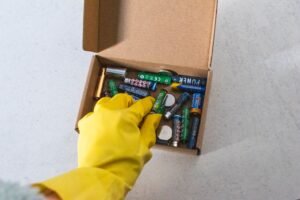
The secondary electronics market is under increasing scrutiny regarding environmental impact. As a seller, you play a role in the circular economy. Choosing to sell to a certified recycler rather than disposing of items in general waste prevents hazardous materials like lead, mercury, and cadmium from leaching into the environment. Many Australian states have strict regulations regarding e-waste, and by choosing a reputable buyer, you ensure that your items are processed according to the highest environmental standards. This is not just a moral imperative; it is a practical one. Businesses that document their sustainable disposal practices can often use this in their own ESG (Environmental, Social, and Governance) reporting. When you are selling second hand electronics, look for recyclers who hold ISO certifications or are members of reputable industry bodies. These organizations are held to higher standards of accountability and are more likely to provide fair, market-rate pricing for your scrap. By participating in this ecosystem, you are not just clearing space—you are contributing to a sustainable future where precious materials are reclaimed and reused, reducing the need for destructive mining practices. This is the gold standard of responsible asset management, ensuring that your financial gain is matched by your commitment to the planet.
Frequently Asked Questions
What is the most important step before selling electronics?
The most important step is to perform a secure data wipe using professional software to ensure no personal or sensitive information remains on the device. Simply deleting files or performing a basic factory reset is often insufficient for complete data destruction.
How do I know if I am getting the best price for my scrap electronics?
To ensure you get the best price, you should obtain quotes from at least three different licensed scrap dealers and compare them against current global metal commodity prices. Always ensure the buyer is transparent about their grading process and provides a clear breakdown of the material value.
Is it better to sell to a private buyer or a scrap dealer?
If the device is functional and relatively new, a private buyer on a marketplace will usually offer a higher price. If the device is broken, obsolete, or you are selling in bulk, a professional scrap dealer is the superior choice as they pay for the intrinsic material value of the components.
What documents should I keep when selling scrap electronics?
You should always keep a detailed manifest of the items sold, a signed receipt from the buyer, and a weighbridge ticket if applicable. If you are selling large quantities of e-waste, requesting a Certificate of Destruction is also recommended to protect yourself from future liability.