
Understanding the nuances of the best scrap catalytic converter market is essential for anyone looking to maximize value from automotive recycling. As global demand for precious metals fluctuates, knowing how to identify, grade, and process these components is a vital skill for scrap dealers and automotive workshops alike. Whether you are looking to Sell My Catalytic Converter or simply want to understand the underlying market dynamics, this guide provides the authoritative insight required to navigate the industry.
The Science Behind the Best Scrap Catalytic Converter Grades
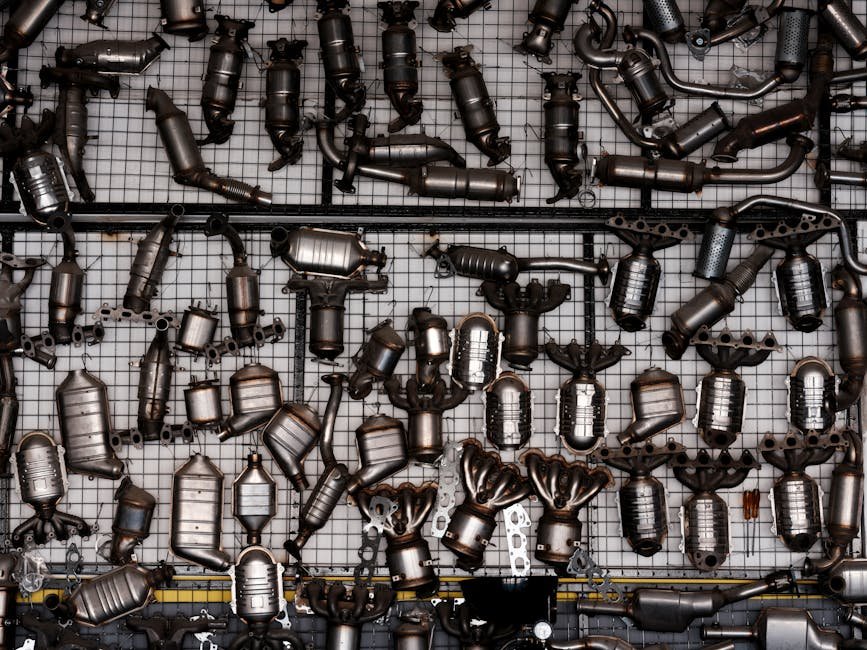
At the core of every cat converter lies a ceramic honeycomb structure coated with a washcoat containing precious metals. These metals—platinum, palladium, and rhodium—are what make the unit valuable. When we discuss the best scrap catalytic converter, we are referring to units that possess a high density of these platinum group metals (PGMs). The concentration of these metals varies significantly depending on the vehicle’s make, model, year of manufacture, and the emissions standards of the region where the vehicle was originally sold.
Rhodium is currently the most valuable of the three due to its critical role in reducing nitrogen oxides. Palladium is primarily used in gasoline engines, while platinum is more common in diesel applications. Because the automotive industry is constantly evolving to meet stricter environmental regulations, the loading of these metals has changed over time. A professional buyer of scrap catalytic converter units will use X-ray fluorescence (XRF) technology to determine the exact metal content, ensuring that the valuation is based on scientific data rather than guesswork. When you choose the right partner, such as Australia’s leading scrap metal recycling network, you ensure that you are getting accurate assays for your material.
How the Recycling Process Works
The recycling process for a cat converter is a marvel of modern chemical engineering. Once a unit is collected, it undergoes a multi-stage transformation. First, the metal housing is removed, and the ceramic monolith is extracted. This ceramic is then milled into a fine powder. This powder is the “concentrate” that contains the precious metals.
The powder is then subjected to a smelting process, where extreme heat is used to separate the metals from the ceramic substrate. Following smelting, chemical leaching and refining processes are employed to isolate the pure platinum, palladium, and rhodium. This refined metal is then returned to the industrial supply chain, where it is used to manufacture new catalytic converters, jewelry, or electronics. If you are looking to catalytic converter sell for scrap, you are contributing directly to this sustainable cycle. By choosing to recycle rather than discard, you are participating in a global effort to reduce the need for environmentally damaging mining operations.
Environmental Benefits of Catalytic Converter Recycling
The environmental impact of recycling cannot be overstated. Mining for platinum group metals is an energy-intensive process that leaves a significant carbon footprint. By recovering these metals from end-of-life vehicles, we drastically reduce the energy required to produce new metals. This is the essence of a circular economy. When you work with a professional Ecotrade Catalytic Converter specialist, you are ensuring that the hazardous materials are handled in compliance with strict environmental regulations.
Furthermore, the proper disposal of scrap converters prevents heavy metals from leaching into the soil and groundwater. Automotive scrap yards that prioritize responsible recycling help keep our communities clean and safe. As the industry moves toward greener technologies, the demand for recycled PGMs will only increase. By understanding the value of your scrap, you are supporting a cleaner future for Australia and the world.
How to Maximize Your Returns
To ensure you are getting the best scrap catalytic converter prices, you must be organized. Keep your converters labeled by grade if possible. Many scrap yards use a grading system based on the serial number, which corresponds to the manufacturer’s internal data regarding metal loading. If you have a large volume of scrap, it is often beneficial to work with a dedicated platform like Scrap Trade to streamline your logistics and pricing.
Always compare market rates before selling. You can easily find the Best Scrap Metal Prices Near Me by using digital tools that track real-time commodity fluctuations. Avoid selling to “door-knockers” or unverified buyers who do not provide transparent assay reports. A reputable buyer will be happy to explain their pricing structure and show you how they arrive at their valuation based on the current market spot price for palladium, rhodium, and platinum.
Common Pitfalls in Scrap Trading
One of the biggest mistakes sellers make is failing to understand the difference between a “full” and “empty” converter. Sometimes, the internal honeycomb can be damaged or partially missing due to age or engine failure. A damaged monolith significantly reduces the yield of precious metals. Always inspect the contents of the unit before shipping it to a processor.
Another pitfall is ignoring the impact of shipping costs. If you are shipping small quantities, the logistics may eat into your margins. Consolidating your scrap into larger shipments is a standard industry practice to improve profitability. Furthermore, ensure that you are aware of the legal requirements for transporting scrap metal in your state. Compliance with local laws is not just about avoiding fines; it is about maintaining the integrity of the recycling supply chain.
The Future of PGM Recovery
As the automotive sector transitions toward electric vehicles (EVs), there is a common misconception that the market for catalytic converters will disappear. However, the existing fleet of internal combustion engine vehicles will remain on the road for decades. Additionally, the technologies used to reclaim these metals are being adapted for other industries, such as hydrogen fuel cell production, which also relies heavily on platinum group metals.
The expertise gained in refining scrap converters is currently being leveraged to develop more efficient recycling methods for EV batteries. This means that the industry is not dying; it is evolving. By staying engaged with the scrap market, you are positioning yourself at the forefront of the next generation of materials recovery.
Detailed Grading and Identification
Identifying the grade of a converter is a professional skill. Manufacturers mark each unit with a series of codes, usually stamped directly onto the steel casing. These codes are the “keys” to the value. A high-value converter might be stamped with a code that indicates it contains a higher-than-average rhodium load. Conversely, some aftermarket converters contain very little precious metal, making them worth significantly less than an original equipment manufacturer (OEM) unit.
Learning to decode these serial numbers is the best way to protect yourself. Many online databases exist that allow you to input a serial number and receive an estimated valuation. Always cross-reference these estimates with the current market spot prices for the specific metals contained within the unit. Remember that the market is volatile; a price that was accurate last week might be different today.
Logistics and Safety in Handling
Handling scrap catalytic converters requires caution. The units can be heavy, and the casings may have sharp edges. Furthermore, the internal ceramic material, if broken, can create dust that is harmful if inhaled. Always wear appropriate personal protective equipment (PPE), including gloves and a dust mask, when handling or breaking down units. If you are shipping large quantities, ensure they are palletized and secured properly to prevent damage during transit.
Finally, keep detailed records of your transactions. This is important for tax purposes and for tracking the performance of your scrap collection business. By maintaining a professional approach, you build trust with your buyers, which often leads to better long-term pricing and priority service. Whether you are a small garage or a large-scale scrap dealer, treating your inventory with care and precision is the surest path to success in this competitive market.
Frequently Asked Questions
What are the most valuable metals in a catalytic converter?
The most valuable metals are platinum, palladium, and rhodium, collectively known as platinum group metals (PGMs). Rhodium is currently the most valuable due to its scarcity and critical role in emissions reduction.
How do I know the value of my scrap catalytic converter?
Value is determined by the specific serial number on the unit, which indicates the metal loading, and the current market spot prices for the metals it contains. Professional buyers use XRF technology to provide accurate assessments.
Why is it important to recycle catalytic converters?
Recycling prevents hazardous materials from entering the environment and reduces the need for destructive mining. It also supports a circular economy by recovering precious metals for use in new manufacturing.
Are all catalytic converters worth the same amount?
No, values vary drastically based on the vehicle make, model, year, and the specific emissions standards of the country where the vehicle was sold. Original equipment manufacturer (OEM) units are generally more valuable than aftermarket replacements.