
Today’s scrap metal prices are published every morning at 08:00 AEST on the country’s largest marketplace, reflecting overnight moves on global exchanges. Whether you’re a plumber with a boot-load of copper fittings, an electrician stripping bright wire or a factory manager clearing aluminium off-cuts, knowing the latest rates before you head to the yard can add hundreds of dollars to your payout.
The quickest way to stay ahead is to check Scrap Metal Prices online or use the interactive map at Scrap Metal Prices Near Me to see yard-specific premiums in your suburb. Dealers rarely advertise their best numbers over the phone, so arm yourself with the Current Scrap Metal Prices before you negotiate.
How today’s scrap metal prices are set in Australia
Local yards anchor their buy rates to three benchmarks: the London Metal Exchange (LME) cash price, the AUD–USD exchange rate and the cost of shipping containers to Asian smelters. When the Aussie dollar falls, exporters receive more in local currency so yards can afford to pay you more; when the dollar rises, scrap metal prices today usually drop even if the LME is flat.
Weekly volumes matter too. Big demolition jobs can flood the market with structural steel, pressing sims scrap metal prices down until ports clear the excess. Conversely, a slow month in construction can lift aluminium extrusion prices by 8-10 ¢ kg within days.
What you can expect to be paid per kg (May 2024 averages)
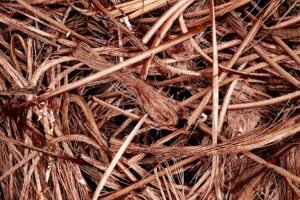
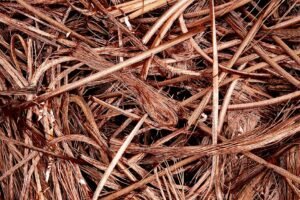
- Bright bare copper wire (98%): $9.70 – $9.95 kg
- Copper tube (clean, no solder): $8.90 – $9.20 kg
- Aluminium extrusion (clean, no plastic): $1.85 – $2.05 kg
- Aluminium cans (densified): $1.45 – $1.60 kg
- Stainless steel 304 (solids): $1.75 – $1.90 kg
- Heavy structural steel: $0.28 – $0.34 kg
- Lead-acid batteries (whole): $0.55 – $0.65 kg
Prices shown are yard gate rates in Sydney; regional centres such as Newcastle or Geelong often pay 5-7% less because of higher freight costs. Always call ahead or check scraptrade.com.au for live comparisons.
Getting the best price for your scrap
Clean material always earns top tier. Strip rubber insulation from copper cable, remove steel screws out of aluminium window frames and keep different alloys separated. Dealers will downgrade mixed loads to the lowest common grade, costing you money. Bring photo ID—strict new laws against metal theft mean yards won’t pay cash without it—and weigh in during the morning when yards have room in their bins and are willing to bid higher.
Timing also counts. Many yards issue their best today’s scrap metal prices early in the week and scale back on Friday when containers are already full. If the LME has rallied overnight, queue early; if it has tanked, consider holding small lots until prices rebound.
Recycling benefits beyond the dollar
Every tonne of recycled copper saves 200 tonnes of rock that would otherwise be mined, and uses 85% less energy than refining new metal. Selling to responsible dealers who export only to certified smelters keeps toxic by-products out of landfill and helps Australia meet its emissions targets. The economic upside is real too: the domestic scrap metal recycling sector contributes over $4 billion in export revenue each year and supports thousands of regional jobs.
Whether you are cleaning up a factory site or simply cashing in your household aluminium cans, comparing today’s scrap metal prices online before you leave home is the easiest way to turn scrap into serious cash.
Frequently Asked Questions
How often do scrap metal prices change?
Most yards update their rates twice daily to mirror the London Metal Exchange and currency moves. Big swings can occur within hours, especially for copper and aluminium.
Why is clean copper worth more?
Clean copper has no solder, paint or rubber, so recyclers can melt it straight away. Contaminated copper needs extra processing, so dealers downgrade it and pay up to 15% less.
Can I get cash on the spot?
Australian law prohibits cash payments for scrap metal. Yards pay via EFT or cheque after scanning your ID. Bring a drivers licence and bank details to get paid the same day.
Do prices vary by state?
Yes. Sydney and Melbourne usually pay the highest because of strong export demand. Regional areas deduct freight costs, so expect 5-10 ¢ kg less for aluminium and up to 30 ¢ kg less for steel.