
Trading scrap is a billion-dollar pillar of Australia’s circular economy. Every tonne recycled saves 1.13 t CO₂-e, cuts landfill and supplies local mills with cheap, low-carbon feedstock. Whether you run a demolition yard, fabrication shop or mine site, knowing how grades are priced and how recycling actually works puts money in your pocket and keeps you compliant with state EPA rules.
1. Grades of Scrap: How the Market Classifies Metal
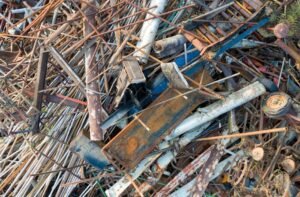
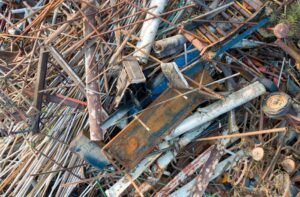
Global buyers quote on specifications set by the ISRI (Institute of Scrap Recycling Industries) and local equivalents. Australian yards simplify these into:
- Copper: Bare bright > #1 copper > #2 copper > burnt copper > copper chops / meatballs
- Aluminium: Extrusion 6063 clean, 6061, painted siding, cast, irony aluminium, Twitch (Zorba)
- Steel: HMS 1&2, shredded, P&S plate, busheling, rebar, tinplate
- Stainless: 304 solids, 316 solids, turnings, 400-series
- Brass/Bronze: Honey, rod swarf, irony, gunmetal valves
- Lead: Clean soft, mixed, wheel weights, acid batteries
- High-Temp Alloys: Inconel, Monel, titanium, Ni-Cad, tungsten carbide
Each grade carries a specification range for copper content, zinc, oil, attachments and density. For example, bare bright must be > 99.9 % Cu, uncoated, < 16 mm diameter. One stray brass fitting downgrades the whole drum to #2 and costs ~$1.30 kg.
Practical tip: photograph and sample every load before it leaves site; email the photo to your buyer so both parties agree on grade. This prevents post-arrival downgrades at the dock.
2. How Recycling Works: From Bin to Billet
Recycling is not melting. It is a sequence of size reduction, physical separation and chemistry control that turns mixed waste into furnace-ready products.
- Collection & Aggregation: Traders place bins on site; when full they are taken to a transfer station or loaded into 20 ft containers. Always weigh on a certified weighbridge; Australian traders use Trade Measurement Act 1989 certified scales.
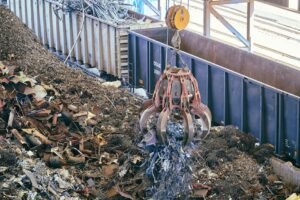
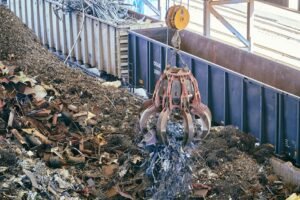
- Sorting & Dismantling: Hand tools, shear, grapple and auto-dismantlers remove plastics, rubber, wood and copper windings. Copper/steel armatures go to a wire stripping line or shredder.
- Shredding & Liberation: A 3 000 hp hammer mill shreds cars into fist-size pieces. Downstream magnets pull ferrous; eddy-current rotors eject non-ferrous; sink-float tanks separate heavy fractions (copper, zinc) from light (aluminium).
- Media Separation: Induction sorters, X-ray transmission and colour cameras create Twitch (Zorba) and a clean stainless fraction. Top yards run near-infrared to hit < 1 % contamination.
- Briquetting & Bale Pressing: Dense bales cut transport cost per tonne and reduce oxidation in the furnace. Australian export bales target 0.9 t m⁻³ for HMS and 0.6 t m⁻³ for aluminium extrusion.
- Smelting & Refining: Electric arc furnaces melt steel scrap at 1 600 °C in 45 min versus 8 h in a blast furnace. Secondary aluminium smelters use rotary furnaces with salt flux; dross is reprocessed to recover aluminium metal.
- Casting & Re-roll: Molten metal is cast into billets, slabs or ingots that go back to mills to make new car panels, window frames or copper wire rod. The loop closes in 60 days on average.
Environmental outcome: Recycling aluminium uses 5 % of the energy of bauxite mining; copper saves 85 %; steel saves 74 %. National data shows 5.3 Mt CO₂-e avoided in 2022 alone.
3. Pricing Drivers & Risk Management
Trading scrap is more volatile than iron ore because the market is fragmented and specs vary. Key drivers include:
- LME / COMEX: Copper and aluminium prices set the global floor. Australian yards quote as % of LME, e.g., “bare bright 98 % of LME Cu Grade A cash”.
- Currency: AUD weakness boosts AUD-denominated prices for exporters.
- Freight: Containerised exports from Sydney to Ningbo swung from US$1 400 to US$3 800 after COVID; every US$500 adds ~8 c kg to aluminium.
- Dock Spreads: Port congestion can delay vessels 3-6 weeks; buyers widen the spread to cover demurrage risk.
- Import Taxes: China’s 2021 re-classification of “recyclable raw materials” lowered impurities thresholds to 0.5 %; loads above are rejected or priced as waste.
- Domestic Mill Demand: InfraBuild, Bluescope and GFG set floor bids when export netbacks fall.
Hedging: large traders hedge on LME using futures or swaps; small traders can lock a forward contract with a major processor. Always document Incoterms—FOB, CFR or CIF—so liability on rejected containers is clear.
Need live bids? List your material on a B2b Scrap Trading Platform where vetted buyers compete in real time; you receive push notifications when a bid hits your target.
4. Environmental & Social Benefits of Trading Scrap
Trading scrap is the easiest lever Australia has to hit its 43 % 2030 emissions-reduction target. Key benefits:
- Carbon Abatement: Every tonne of steel scrap recycled saves 1.5 t CO₂-e; aluminium saves 9 t; copper saves 3.5 t.
- Energy Savings: Enough to power 1.3 million homes for a year, equal to taking 700 000 cars off the road.
- Circular Jobs: 100 000 direct jobs across transport, shearing, baling and furnace operations; 70 % are regional.
- Landfill Diversion: 5 Mt of metal waste diverted annually, extending landfill life and avoiding leachate of heavy metals.
- Resource Security: Domestic scrap covers 45 % of Australia’s steel demand and 80 % of copper demand, insulating builders from geopolitical supply shocks.
Companies report ESG scores improve when they source 30 % recycled content. Offtake contracts now include recycled-content clauses, so trading scrap is not just a cost centre—it is a Scope 3 emissions reduction tool.
5. Practical Tips for Sellers to Maximise Value
Follow these field-tested rules and you will consistently beat benchmark prices:
- Sort at Source: Every extra minute with an impact gun removing an brass fitting from a copper pipe is worth $1.20. Keep bins colour-coded and labelled.
- Keep It Dry: Water adds weight but buyers deduct 2 % moisture. Drain radiators and leave aluminium swarf under cover.
- Cut to Spec: Oversized HMS blocks (1.5 m) cop a $25 t penalty. Use a 600 t shear to ≤ 0.6 m.
- Document Weight: Use a public weighbridge and keep docket. Disputes are settled by original gross/tare.
- Photograph Loads: Time-stamped photos prove quality before vessel loading. Include a newspaper for date reference.
- Negotiate Off-Peak Freight: Export yards in March are quiet after Chinese New Year; shipping lines drop bunker surcharges.
- Bundle Volumes: A full 40 ft container (22 t HMS) commands $25 t more than a 20 ft (18 t) because stevedores charge per lift.
- Insure: Marine cargo insurance costs 0.15 % of FOB but covers total loss if a vessel stack collapses.
Ready to sell? Sell Scrap through verified buyers who publish live indicative prices and pay within 24 h of weighbridge confirmation.
6. Legal & Safety Compliance for Australian Traders
Trading scrap is regulated at state and federal level. Ignore these and you risk fines, site shut-down and loss of export licence.
- Chain of Responsibility: Under Heavy Vehicle National Law you must ensure load mass, dimension and restraint are correct. Overweight trucks incur $16 500 fines.
- EPA Licences: NSW requires Schedule 1 “Waste & Resource Recovery” licence for >30 000 t/y; Victoria requires a works approval for shredders.
- Dangerous Goods: Lithium batteries, gas cylinders and asbestos-containing brake pads are classified as hazardous. Segregate and manifest.
- Radiation: Boral and Sims regularly detect orphan sources in rebar. Install portal monitors and train staff to isolate loads.
- Cash Payments: Illegal in QLD, WA and VIC for >$50. Use EFT to stay compliant with Scrap Metal Industry Act.
- Foreign Account Rules: AUSTRAC requires identity verification for any cash dealer transaction >$10 000.
Include a site induction video covering PPE, lock-out/tag-out and emergency spill response. Record training dates; WorkSafe inspectors ask for them.
7. Technology Trends Shaping the Industry
Digitalisation is eroding the old “bloke-with-a-ute” model. Key trends:
- AI Vision Sorting: Start-ups use hyperspectral cameras to classify alloys in milliseconds, raising throughput 25 %.
- Blockchain Documentation: Digital bills of lading reduce document turnaround from 10 days to 2 h, cutting working capital.
- Marketplace Apps: A cloud-based what is scrap trading dashboard shows live bids, inventory and freight quotes in one screen.
- Electric Shears: Battery-powered shears cut emissions by 30 % and reduce noise for urban demolition sites.
- Green Steel: Hydrogen-based EAF mills in Whyalla will buy low-carbon scrap at a premium, creating a two-tier market.
Early adopters who integrate these tools will secure supply contracts before capacity is locked in.
8. Case Study: How a Newcastle Demolition Contractor Doubled Revenue
HC Demolition had 1 200 t of structural steel, 40 t copper cable and 12 t stainless tanks from a refinery shutdown. Instead of one mixed sale, they:
- Engaged a mobile shear crew to cut steel to 0.5 m and removed copper busbars on site.
- Listed each grade separately on a scrap trading portal.
- Accepted an export bid for copper at 96 % LME and domestic bid for HMS at $425 t.
- Shipped copper in 20 ft containers; used flatbed for steel to save freight.
Result: Gross proceeds $1.14 m vs $620 k for mixed sale; EBITDA margin improved from 18 % to 34 %.
9. Getting Started: Your First 30-Day Action Plan
Week 1: Audit your waste stream; photograph and sample metals. Week 2: Sign up to Scrap Trade marketplace and post a trial lot. Week 3: Compare bids, verify buyer licence on EPA website, book weighbridge. Week 4: Ship, receive payment, analyse profit per grade. Iterate.
Still unsure? Read the step-by-step guide on What Is Scrap Trade or speak to a specialist broker at ScrapTrade.com.au to structure your first contract.
Conclusion
Trading scrap is no longer a sideline—it is a strategic, tech-enabled business that rewards those who understand grades, compliance and market timing. Sort clean, document everything, use digital platforms, and you will turn waste into a reliable revenue stream while helping Australia cut millions of tonnes of CO₂.
Frequently Asked Questions
What is the highest paying scrap grade in Australia right now?
Bare bright copper consistently tops the list, trading at 96-98 % of LME Grade A. Clean 6063 aluminium extrusion is second. Prices update daily; list your lot on a B2b platform to trigger live bids.
Do I need a licence to sell scrap metal?
Sellers do not need a licence, but buyers must hold a second-hand dealer or scrap metal licence in QLD, NSW, VIC and WA. Always sight the licence before you accept payment.
How can I avoid moisture deductions?
Drain all radiators, compressors and swarf bins. Cover outdoor piles with tarps. Request a 2 % moisture tolerance clause in your contract and weigh within four hours of loading.
Is it better to export or sell domestically?
Export fetches higher prices when the AUD is weak and freight is low. Domestic mills pay faster—often same day—and avoid port delays. Compare both each cycle; a digital marketplace shows real-time netbacks for each route.