
Finding a reliable carbide buyer is essential for machine shops, industrial manufacturers, and independent contractors looking to turn waste into revenue. Tungsten carbide is a high-value, dense material that remains one of the most sought-after commodities in the global metal recycling market. Because it contains rare and expensive elements like tungsten and cobalt, it is far too valuable to be discarded in general waste. Whether you are managing a large-scale manufacturing plant or clearing out a small workshop, understanding the market dynamics is the first step toward profitability.
The Role of a Professional Carbide Buyer
A professional carbide buyer serves as the critical link between industrial waste and the circular economy. These experts specialize in the valuation, processing, and refining of tungsten-based alloys. Unlike general scrap metal dealers who might focus on bulk steel or aluminum, a dedicated carbide buyer understands the nuances of chemical composition. They use X-ray fluorescence (XRF) technology to determine the exact percentage of tungsten, cobalt, and tantalum present in your scrap. This technical expertise ensures you are paid accurately for the specific grade of your material. When you work with a reputable firm, you are not just selling scrap; you are participating in a sophisticated supply chain that keeps critical raw materials in circulation, reducing the need for destructive mining practices.
Understanding Carbide Pricing and Market Trends
Pricing for tungsten carbide is inherently volatile, tied closely to global industrial demand and the mining output of countries like China. When you approach a buyer, they will typically quote you a price per kilogram based on the “tungsten content.” Clean, sorted carbide—such as solid inserts or end mills—commands the highest price. Conversely, “dirty” carbide, which may be brazed to steel shanks or contaminated with ceramic coatings, will be valued lower because of the labor-intensive processing required to separate the materials. To get the best deal, keep your scrap dry and free of oil, coolant, and debris. If you are also looking to offload other industrial materials, you might search for a copper buyer near me or a steel buyer near me to consolidate your logistics and reduce transport costs.
How to Identify and Sort Your Scrap Material
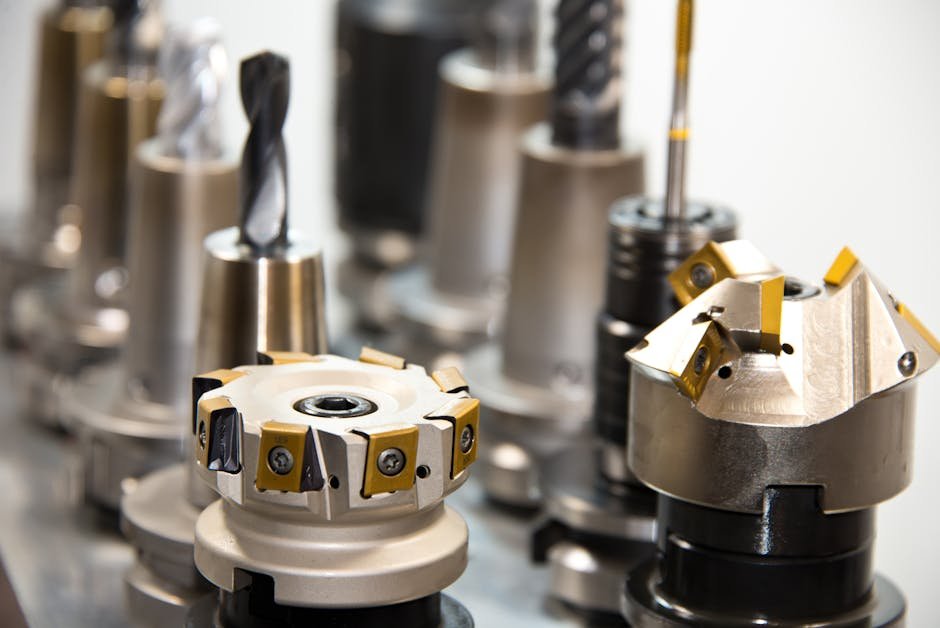
Before you contact a buyer, you must be able to distinguish between different types of tungsten products. Most carbide scrap falls into a few distinct categories: inserts, drill bits, burrs, and wear parts. It is vital to separate these from other materials found in Carbide Recycling How To Recover Sell And Profit. Many industrial facilities also deal with auto parts and vehicle recycling. While an end of life vehicle or ELV might contain some carbide in specialized tooling, it is rarely the primary source. If you are working with car wreckers, ensure you aren’t mixing your high-value carbide with low-value ferrous scrap. Proper sorting is the single most effective way to increase your payout. Use a magnet to perform a preliminary check: while pure tungsten carbide is slightly magnetic, it is significantly denser than steel. If a piece feels unusually heavy for its size, it is likely a carbide-based alloy.
The Recycling Process: From Scrap to Raw Material
Once your scrap reaches the facility, it undergoes a rigorous recycling process. The primary method used is the zinc process or chemical leaching, which breaks down the binder material (usually cobalt) and allows the tungsten carbide to be recovered as a powder. This powder is then repurposed to create new tools, closing the loop. This process is complex, which is why it is handled by specialized refineries. If you are interested in the broader scope of industrial metal recovery, including larger scale operations like Shipbreaking Scrap Sales Global Buyer Guide, it helps to understand that the principles of purity and volume remain the same. The more uniform your shipment, the easier it is for the buyer to process, which often leads to a higher price per unit.
Best Practices for Tungsten Carbide Storage
Storing your scrap correctly prevents oxidation and contamination, both of which can degrade the value of your material. Keep your carbide in dry, clearly labeled containers. If you are dealing with different grades—such as high-cobalt versus low-cobalt inserts—keep them in separate bins. Mixing grades can result in a “blended” price, which is almost always lower than the price of the highest-grade material in the mix. For those looking for specific handling instructions, our guide on Tungsten Carbide Insert Scrap Used Cutting Tool Tips provides a deep dive into maintaining the integrity of your tools before they reach the recycling stage. Remember, the cleaner the material, the more profit you retain.
Finding the Right Partner in Australia
When searching for where to find a reputable partner, geography and logistics play a major role. In Australia, the recycling landscape is vast, and shipping costs can eat into your margins if you aren’t careful. Look for a buyer who provides transparent weighing and grading services. You can visit Australia’s leading metal trading platform to find verified buyers who adhere to strict environmental and ethical standards. Whether you are in a major hub like Sydney or a remote mining town, a trusted buyer will offer clear terms on freight and payment. Always ask for a breakdown of the assay results if you are selling in large quantities; this ensures you are being paid for the actual tungsten content rather than an estimated bulk price.
The Future of Carbide and Sustainable Manufacturing
As the global push for sustainability intensifies, the demand for recycled tungsten will only grow. Tungsten is a finite resource, and the energy required to mine and process virgin tungsten is significantly higher than that required to recycle existing carbide. By selling your scrap to a professional buyer, you are contributing to a more sustainable industrial sector. This is particularly relevant for businesses focused on ESG (Environmental, Social, and Governance) goals. When you choose to recycle rather than landfill your scrap, you are actively reducing the carbon footprint of your supply chain. For more resources on global metal trading, visit the Scrap Trade portal to stay updated on market shifts and industry news.
Common Pitfalls to Avoid When Selling Scrap
One of the biggest mistakes sellers make is failing to vet their buyer. Ensure that the company you choose has a physical presence, proper environmental permits, and a track record of fair dealing. Avoid buyers who offer “too good to be true” prices, as these are often bait-and-switch tactics. Always get a quote in writing and understand the payment terms before shipping your material. Furthermore, ensure you have proper documentation for your scrap, especially if it is coming from a large industrial site. Proper record-keeping is not just good business; it is often a regulatory requirement for environmental compliance in the scrap industry. By following these guidelines, you can ensure a smooth, profitable, and professional experience every time you sell your carbide scrap.
Frequently Asked Questions
How do I know if my scrap is actually tungsten carbide?
Tungsten carbide is extremely dense and significantly heavier than steel of the same size. It is also very hard and cannot be scratched by standard steel files, and it often has a distinct dark grey, matte finish.
Does the condition of the carbide affect the price?
Yes, cleanliness is the biggest factor in pricing. Carbide that is free of brazing, steel shanks, and contaminants like oil or ceramic coatings will fetch a much higher price than dirty, mixed scrap.
What is the best way to ship carbide scrap?
Use sturdy, leak-proof containers like plastic drums or reinforced wooden crates. Because carbide is very heavy, ensure the containers are not overloaded to avoid damage during transit and to comply with freight weight limits.
How often do carbide prices change?
Tungsten prices fluctuate based on global market demand, mining supply, and currency exchange rates. Most professional buyers update their pricing sheets weekly or monthly, so it is best to check current rates right before you plan to sell.