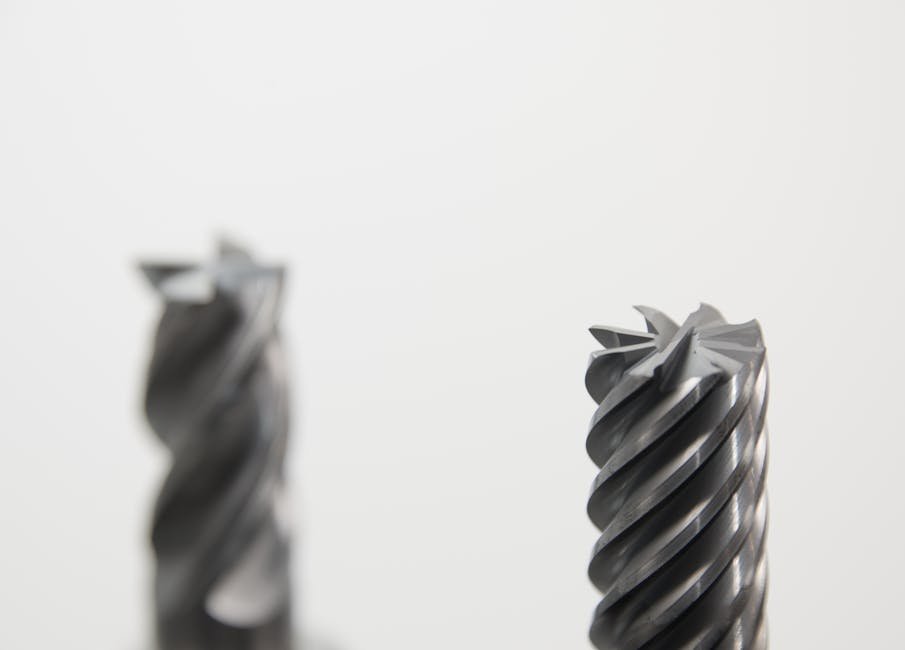

Understanding tungsten carbide scrap metal prices is essential for industrial workshops, machine shops, and mining operations looking to maximize their return on waste materials. Unlike common steel or aluminum, tungsten carbide is a high-value, dense, and incredibly hard material used primarily in cutting tools, drill bits, and wear parts. Because it contains significant amounts of tungsten and cobalt, it is considered a strategic asset in the global metal market. When evaluating the current value of your inventory, you must first recognize that the market operates on a commodity-based pricing model that reacts to geopolitical shifts and industrial demand. For those seeking a broader view of the industry, our Guide To Scrap Metal Prices By Scrap Trade provides the necessary context to navigate these fluctuations. Whether you are clearing out old inserts or managing large-scale industrial waste, knowing how to categorize your material is the first step toward securing the best possible payout.
The Mechanics of Market Valuation for Tungsten Carbide
The pricing of tungsten carbide is rarely static. It is dictated by the London Metal Exchange (LME) and specific industry indices that track the cost of tungsten concentrate and cobalt metal. When you look at tungsten carbide scrap metal prices, you are essentially looking at the cost to extract these rare metals from the scrap through a chemical process known as zinc processing or chemical leaching. Factors affecting this cost include the purity of the material, the presence of contaminants like steel shanks or braze, and the current exchange rate between the Australian Dollar and the US Dollar. Because tungsten is a conflict-sensitive material, supply chain transparency is increasingly influencing market rates. If you are trying to find the Best Scrap Metal Prices Near Me, you must understand that local yard pricing is a derivative of these larger global trends. A high-quality batch of 100% pure carbide inserts will always command a premium over mixed scrap that requires extensive labor to process. We monitor these shifts closely at Scrap Trade to ensure our partners receive fair market value.
Categorizing Grades for Maximum Profit
To optimize your returns, you must separate your scrap into specific grades. The most common grade is pure tungsten carbide inserts, which are free of braze, steel, or ceramic coatings. These command the highest tungsten carbide scrap metal prices because they can be recycled directly into new tool production with minimal energy consumption. The next tier includes brazed tips, which are carbide tips still attached to steel shanks. While valuable, these require mechanical separation or chemical treatment to remove the steel, which naturally lowers the price per kg. Then there is the ‘mixed’ category, often containing tungsten heavy alloys, grinding sludge, or contaminated drill bits. Grinding sludge is particularly difficult to handle, as it often contains oil and water, requiring specialized drying and filtering processes. By segregating your scrap at the source—keeping inserts separate from steel-attached bits—you can significantly increase the total value of your collection. For a comprehensive look at how different materials stack up, consult our Scrap Metal Prices Tungsten Carbide: The Ultimate Market Guide to ensure you are not leaving money on the table.
The Recycling Process: From Scrap to Tool
Recycling tungsten carbide is a sophisticated metallurgical process that saves massive amounts of energy compared to mining virgin ore. The most common method is the zinc process, where the scrap is heated in a molten zinc bath. The zinc reacts with the cobalt binder in the carbide, causing the material to expand and crumble into a powder. This powder is then milled and re-pressed into new tool shapes. Alternatively, chemical leaching involves dissolving the metal in acids to recover pure tungsten and cobalt. This process is essential for the circular economy, as it reduces the environmental impact of mining, which often involves destructive open-pit methods. By recycling your scrap, you are directly contributing to the sustainability of the Australian manufacturing sector. Many businesses involved in professional metal recycling services emphasize that this closed-loop system is the future of industrial supply. It is not just about the money; it is about reducing the carbon footprint associated with the extraction of rare earth metals. If you are interested in broader market trends, check out our general analysis of Scrap Metal Prices to see how tungsten fits into the wider commodity landscape.
Impact of Automotive and Mining Industries
The demand for tungsten is heavily influenced by the mining and automotive sectors. In the context of vehicle recycling and car wreckers, tungsten carbide is often recovered from specialized engine components, transmission parts, and heavy-duty cutting tools used in auto parts manufacturing. As the automotive industry shifts toward more efficient and durable materials, the recycling of these high-performance parts becomes a critical revenue stream for wrecking yards. Furthermore, the mining industry is the largest consumer of tungsten carbide, relying on it for high-impact drilling and excavation. When the mining sector is booming, demand for new tools increases, which in turn drives up the value of recycled carbide. Conversely, during market downturns, the supply of scrap can dwindle, leading to price volatility. Savvy traders keep a close eye on these sectors to predict when to hold or sell their inventory. By understanding the lifecycle of these materials—from the mine to the car wrecker to the recycling facility—you can time your sales to align with peak market rates.
Strategic Tips for Managing Your Scrap Inventory
Managing scrap is an operational task that, when done correctly, functions as a secondary revenue stream. Start by implementing a strict segregation policy in your workshop. Use labeled bins for different carbide grades to prevent cross-contamination. Contamination with high-speed steel (HSS) or stainless steel can downgrade an entire batch of pure carbide, costing you significant profit. Second, track your weights accurately. Use a calibrated industrial scale and maintain a log of your scrap generation. This data allows you to negotiate from a position of strength when dealing with scrap dealers. Third, build a relationship with a reputable buyer who provides transparent pricing based on the current market rate. Do not rely on a single buyer without verifying their rates against industry benchmarks. Fourth, consider the logistics of transport. If you have large volumes, the cost of freight can eat into your margins; look for buyers who offer collection services or have facilities near your operation. Finally, stay informed. Subscribe to metal market newsletters and keep an eye on the Scrap Trade Australia updates to ensure you are aware of sudden spikes or drops in commodity prices before you decide to move your stock.
Environmental Benefits and Sustainability
Choosing to recycle tungsten carbide is one of the most environmentally responsible decisions an industrial operator can make. Tungsten mining is energy-intensive and often takes place in regions with strict environmental regulations, but the process of extracting the ore from the earth is inherently damaging to local ecosystems. By choosing to recycle, you effectively bypass the need for new mining, reducing the demand for virgin tungsten. This saves thousands of gigajoules of energy and prevents the release of greenhouse gases associated with the refining of raw ore. Furthermore, keeping tungsten out of landfills prevents heavy metals from leaching into the soil and groundwater. In Australia, where environmental stewardship is becoming a core component of corporate social responsibility, demonstrating that your company recycles its industrial waste can be a significant competitive advantage. It aligns your operations with global sustainability goals and helps build a brand image centered on responsibility and efficiency. As we look to the future, the integration of advanced recycling technologies will only make this process more efficient, further cementing the role of tungsten carbide recycling as a pillar of the green manufacturing economy.
Conclusion: Turning Waste into Wealth
The market for tungsten carbide is complex, but it is also highly rewarding for those who take the time to understand its nuances. By mastering the factors that influence tungsten carbide scrap metal prices, you can transform what was once considered ‘shop waste’ into a consistent and valuable revenue stream. Whether you are a small machine shop or a large-scale mining contractor, the principles remain the same: segregate your grades, monitor the global market, and partner with reputable recyclers who value transparency. The environmental benefits are an added bonus, contributing to a more sustainable future for the Australian industrial landscape. Use the resources provided in this guide to build your strategy, and always remember that in the world of scrap metal, knowledge is the most valuable tool you possess. Stay proactive, stay organized, and keep your inventory ready for the next market peak.
Frequently Asked Questions
What is the most important factor when selling tungsten carbide scrap?
The most important factor is purity. Ensuring your scrap is free from steel, braze, and other contaminants will allow you to sell it as ‘pure’ grade, which commands the highest market price.
How often do tungsten carbide scrap metal prices change?
Prices fluctuate regularly, often on a weekly or monthly basis, depending on the global price of tungsten concentrate and cobalt. It is advisable to check current market rates before scheduling a large sale.
Can I mix tungsten carbide with other metals like steel or HSS?
No, you should never mix tungsten carbide with steel or high-speed steel (HSS). Mixing these materials will result in a lower ‘mixed’ grade price, as the recycler must perform additional labor to separate them.
Why is tungsten carbide considered a strategic metal?
Tungsten is a rare, high-density metal vital for defense, aerospace, and heavy industry applications. Because it is essential for these critical sectors, its supply chain is closely monitored, making it a high-value commodity.