
Fabrication stainless steel Brisbane is a thriving industry that blends precision engineering with the unique demands of Queensland’s coastal environment, delivering durable components for construction, marine, and food‑processing sectors.
Overview of Stainless Steel Fabrication in Brisbane
Brisbane’s strategic location, access to major ports, and a skilled workforce make it an ideal hub for stainless steel fabrication. Companies in the region handle everything from raw sheet metal to finished assemblies, employing advanced CNC laser cutters, robotic welders, and automated bending machines. The city’s proximity to major mining operations also ensures a steady supply of ferrous metal and mild steel, which can be alloyed or combined with stainless grades to meet specific engineering specifications.
Key Stainless Steel Grades: 304 vs 316 and Their Applications
Two grades dominate the Brisbane market: 304 stainless and 316 stainless. 304 stainless is an austenitic alloy offering excellent corrosion resistance in most indoor environments, making it the go‑to choice for architectural railings, kitchen equipment, and general‑purpose fabrications. 316 stainless contains molybdenum, enhancing resistance to chloride‑induced pitting, which is essential for marine applications, chemical processing plants, and coastal infrastructure where salt spray is a constant threat.
Understanding the material’s composition helps fabricators select the right grade early in the design phase, reducing re‑work and material waste. For projects that demand higher strength, some manufacturers blend mild steel with stainless to create duplex structures that balance cost and performance.
Core Fabrication Processes Used in Brisbane
Modern fabrication facilities employ a suite of processes that transform raw sheet metal into complex components:
- Laser Cutting: Provides high‑precision cuts on 304 and 316 sheets, minimizing heat‑affected zones and preserving material integrity.
- Waterjet Cutting: Ideal for thick plate work where thermal distortion must be avoided.
- Press Braking and Bending: CNC press brakes shape sheet metal to exact angles, essential for ductwork and structural frames.
- TIG and MIG Welding: TIG welding offers superior aesthetic welds on stainless, while MIG is faster for thicker sections.
- Finishing: Passivation, electropolishing, and powder coating protect the surface and enhance aesthetic appeal.
Each step is monitored for compliance with Australian standards (AS/NZS 1554 for welding, AS 1530 for fire resistance), ensuring that the final product meets both safety and performance criteria.
Choosing the Right Supplier and Materials
When selecting a fabricator, consider the following criteria:
- Certification: Look for ISO 9001 and ISO 14001 certifications, which signal quality management and environmental responsibility.
- Experience with Specific Grades: Verify that the supplier has a proven track record with 304 stainless and 316 stainless projects.
- Supply Chain Transparency: Reliable partners can trace the origin of their ferrous metal and mild steel, reducing the risk of sub‑standard material.
- Pricing Structure: Understand the current steel price per tonne and how it impacts your quotation.
- Recycling Services: A supplier that offers stainless steel scrap collection can lower your overall project cost.
For a curated list of reputable providers, explore stainless steel brisbane suppliers and compare their capabilities.
Cost Considerations: Steel Price per Tonne, Scrap Steel, and Market Trends
The price of stainless steel fluctuates with global demand, energy costs, and the availability of scrap steel. As of 2024, the average steel price per tonne for 304 grade in Australia hovers around AUD 2,400, while 316 commands a premium of roughly 10‑15% due to its alloying elements.
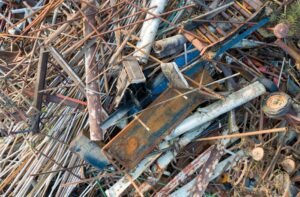
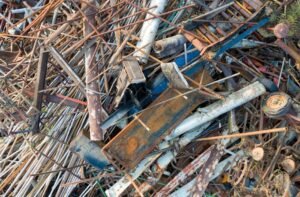
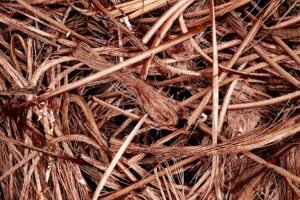
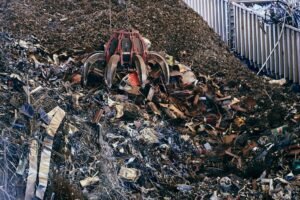
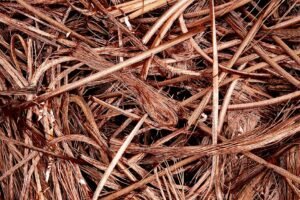
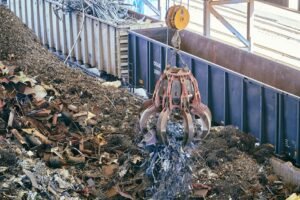
Integrating scrap steel into your material plan can offset these costs. High‑quality stainless steel scrap, when properly sorted, commands a respectable price on the secondary market. Use our Stainless Steel Scrap Price tool to monitor real‑time values, and the Stainless Steel Scrap Calculator Estimate Your Material Value to calculate potential savings.
Sustainability: Recycling Stainless Steel Scrap and Maximising Profit
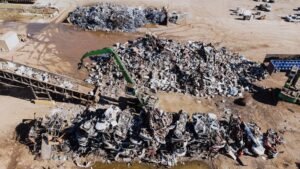
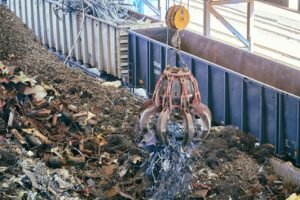
Stainless steel is 100% recyclable without loss of properties, making it a cornerstone of circular economy initiatives. Brisbane fabricators often partner with recycling firms to collect and process scrap, turning it back into feedstock for new products.
To achieve maximum profit, follow these steps:
- Segregate grades: Keep 304 and 316 separate to avoid cross‑contamination.
- Remove contaminants: Strip non‑metallic coatings, fasteners, and insulation.
- Document weight: Accurate weighing is essential for transparent pricing.
- Use market tools: Reference the Stainless Steel Recycling How To Sell Scrap For Maximum Profit guide for negotiation tactics.
By integrating recycling into your project lifecycle, you reduce raw material demand, lower carbon emissions, and improve your bottom line.
Practical Tips for Managing Fabrication Projects in Brisbane
Effective project management hinges on clear communication, realistic scheduling, and rigorous quality control. Here are proven tactics:
- Design for Manufacture: Simplify geometries to reduce cutting time and waste.
- Leverage BIM: Building Information Modeling allows real‑time clash detection between stainless components and other building systems.
- Schedule Welding Inspections: Early non‑destructive testing (NDT) catches defects before final assembly.
- Track Material Usage: Use inventory software to monitor consumption of sheet metal and scrap steel, aligning purchases with the prevailing steel price per tonne.
- Engage Local Suppliers: Proximity reduces lead times and transportation costs; explore options like stainless steel products sydney for cross‑state projects.
Adopting these practices ensures that your fabrication stainless steel Brisbane project stays on budget, on schedule, and meets quality expectations.
Regulatory Landscape and Certification Requirements
Australian standards governing stainless steel fabrication are comprehensive. Key references include:
- AS/NZS 1554 – Welding of steel structures.
- AS 1530 – Fire resistance of building elements.
- AS/NZS 3679 – Cold‑rolled stainless steel sheet and strip.
Compliance is verified through third‑party inspection bodies, and certifications such as ISO 9001 demonstrate a commitment to consistent quality. Fabricators that maintain an up‑to‑date audit trail can more easily secure contracts with government and large private developers.
Future Trends: Automation, Additive Manufacturing, and Smart Materials
Automation is reshaping the Brisbane fabrication landscape. Robotic welding cells increase repeatability while reducing labor costs. Meanwhile, additive manufacturing (3‑D printing) of stainless steel is emerging for low‑volume, high‑complexity components, allowing designers to bypass traditional tooling.
Smart stainless alloys, infused with sensors for real‑time corrosion monitoring, are under pilot in coastal infrastructure projects. Staying aware of these innovations positions your business to adopt technologies that improve efficiency and product performance.
Conclusion: Leveraging Brisbane’s Fabrication Strengths for Competitive Advantage
Fabrication stainless steel Brisbane offers a unique blend of skilled labor, advanced equipment, and a supportive supply chain. By understanding material grades, mastering core processes, managing costs through scrap recycling, and adhering to regulatory standards, you can deliver high‑quality stainless solutions that meet the rigorous demands of Australian industries.
For up‑to‑date market data, visit Scrap Trade. To explore local services and purchase options, check out Scrap Trade Australia for comprehensive resources.
Frequently Asked Questions
What are the main differences between 304 and 316 stainless steel for fabrication?
304 stainless is versatile and cost‑effective for indoor applications, while 316 stainless contains molybdenum, offering superior resistance to chloride‑induced corrosion, making it ideal for marine and chemical environments.
How can I calculate the value of my stainless steel scrap in Brisbane?
Use the Stainless Steel Scrap Calculator on our site to input weight and grade; the tool references current market rates to estimate your material’s monetary value.
What certifications should I look for when hiring a stainless steel fabricator?
Key certifications include ISO 9001 for quality management, ISO 14001 for environmental practices, and compliance with AS/NZS 1554 welding standards.
Is stainless steel fully recyclable, and does recycling affect project costs?
Yes, stainless steel can be recycled indefinitely without loss of properties. Proper recycling reduces raw material purchases, lowers waste disposal fees, and can generate additional revenue from scrap sales.