
When you decide to sell for scrap, understanding the full process—from grading to payment—ensures you maximise profit and contribute to a greener economy.
1. Overview of the Australian Scrap Market
Australia’s scrap metal industry is a $5 billion sector that recycles millions of tonnes of ferrous and non‑ferrous metals each year. The market is driven by global commodity prices, domestic manufacturing demand, and strict environmental regulations that encourage material recovery. By choosing to sell for scrap, households, businesses, and construction sites can turn waste into cash while supporting the circular economy.
Key players include large processing facilities, regional scrap yards, and mobile collection services. Prices fluctuate weekly, so staying informed about the London Metal Exchange (LME) and local benchmarks is essential for getting the best price.
2. Understanding Scrap Grades and Their Value
Scrap is classified by type, alloy composition, and condition. The main categories are:
- Ferrous scrap: Iron and steel, including old appliances, rebar, and car bodies. Grades range from #1 (clean, uncoated steel) to #5 (contaminated, painted steel).
- Non‑ferrous scrap: Copper, aluminium, brass, lead, and precious metals. These grades command higher prices because of their superior recyclability.
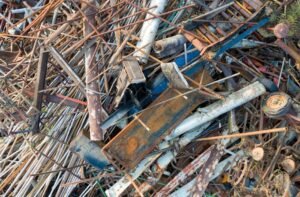
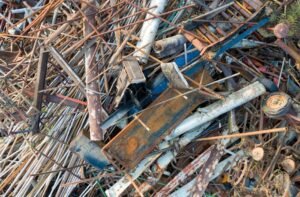
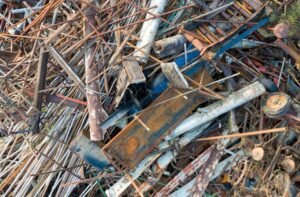
- Mixed or contaminated scrap: Materials that contain multiple metals or hazardous substances. These often require additional processing, reducing the payout.
Accurately identifying the grade of your metal allows you to negotiate confidently and avoid under‑payment. For example, clean copper wire (grade #1) can fetch up to 20% more than mixed copper with insulation.
3. How the Recycling Process Turns Scrap into New Products
Once you sell scrap to a licensed dealer, the material follows a series of steps:
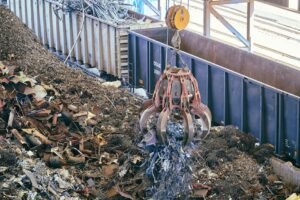
- Collection and transport: Scrap is loaded onto trucks and taken to a sorting facility.
- Sorting and grading: Advanced magnets, eddy‑current separators, and optical scanners separate ferrous from non‑ferrous metals and isolate grades.
- Cleaning: Paint, plastic, and other contaminants are removed using mechanical or chemical processes.
- Melting: Metals are melted in electric or induction furnaces, which consume far less energy than extracting virgin ore.
- Casting and forming: The molten metal is poured into molds or rolled into sheets, ready for manufacturing.
This closed‑loop system reduces greenhouse‑gas emissions by up to 95 % for aluminium and 60 % for steel compared with primary production, delivering measurable environmental benefits.
4. Getting the Best Price for Your Scrap
Achieving the highest payout requires preparation and market awareness. Follow these proven tactics:
- Know the current market rates: Check daily price boards on reputable sites or subscribe to industry newsletters.
- Separate grades before delivery: Clean, uncoated steel and pure copper fetch premium rates.
- Remove non‑metal contaminants: Stripping paint, insulation, and plastics improves the dealer’s processing cost and raises your price.
- Negotiate based on volume: Larger consignments often qualify for bulk discounts.
- Leverage multiple quotes: Contact at least three scrap dealers, including mobile services, to compare offers.
Many dealers advertise “cash for scrap” promotions, but the fine print may limit the price to lower‑grade material. Always ask for a written quote that specifies the grade and weight.
5. Where to Sell Your Scrap in Australia
Choosing the right outlet is critical. Options include:
- Local scrap yards: Provide immediate cash and are ideal for small to medium loads.
- Mobile collection services: Offer free pick‑up for larger volumes and often have higher rates due to lower transport costs for the dealer.
- Industrial recyclers: Specialized facilities that handle high‑grade alloys and can pay premium prices for clean material.
- Online platforms: Websites like sell scrap connect sellers with vetted dealers across the country.
To find a convenient location, search for “Sell Scrap Metal Near Me In 2026”. This tool lists licensed dealers within your postcode, displays their current rates, and indicates whether they offer on‑site weighing.
6. Documentation Required to Get Paid
Australian scrap dealers must verify the origin of metal to comply with anti‑money‑laundering (AML) and environmental regulations. Typical documents include:
- Proof of identity: Driver’s licence or passport.
- Business registration (if selling as a company): ABN or ACN.
- Weight certificate: Some yards provide an official receipt that records the net weight after tare deduction.
- Export permits (for large quantities destined for overseas processing).
Having these documents ready speeds up the transaction and ensures you get paid without delays.
7. Practical Tips for a Smooth Transaction
Implementing best‑practice habits reduces hassle and maximises profit:
- Pre‑weigh your load: Use a portable digital scale to estimate weight before arrival. This gives you leverage when discussing price.
- Bundle similar grades together: Transporting mixed scrap in separate containers avoids re‑sorting fees.
- Schedule deliveries during off‑peak hours: Dealers are often more willing to negotiate when they have fewer customers.
- Maintain a clean haul: Removing bolts, nuts, and non‑metal parts prevents contamination.
- Keep receipts: Document every transaction for tax purposes and future price benchmarking.
For a deeper dive into the mechanics of the industry, read What Is Scrap Trade, which explains the regulatory framework and market dynamics.
8. Environmental Benefits of Selling for Scrap
Recycling metal conserves natural resources, reduces energy consumption, and cuts landfill waste. Specific benefits include:
- Energy savings: Recycling aluminium saves up to 95 % of the energy required to produce primary aluminium.
- Reduced greenhouse‑gas emissions: Each tonne of recycled steel avoids roughly 1.5 tonnes of CO₂ equivalent.
- Conservation of raw materials: Recycling steel recovers iron ore, coal, and limestone, decreasing mining pressure.
- Landfill diversion: Metal that would otherwise sit in landfill decomposes slowly, occupying valuable space for decades.
By choosing to sell for scrap, you directly support these outcomes and help Australia meet its 2030 emissions targets.
For more information about reputable dealers and industry news, visit the Scrap Trade official site. If you are based in Queensland or New South Wales, the dedicated portal Scrap Trade Australia offers region‑specific guidance and compliance tools.
Related: sell scrap metal
Frequently Asked Questions
What types of metal can I sell for scrap?
You can sell ferrous metals like steel and iron, as well as non‑ferrous metals such as copper, aluminium, brass, and lead. Clean, uncoated material fetches the highest rates.
Do I need a licence to sell scrap metal in Australia?
Individuals do not need a licence, but dealers must hold a licence and comply with AML regulations. Having your ID and business registration ready will smooth the process.
How is the price of scrap determined?
Prices are based on global commodity markets, the grade and purity of the metal, weight, and any processing costs the dealer incurs. Checking daily price boards helps you negotiate the best rate.
Can I get paid instantly when I sell scrap?
Most reputable dealers offer immediate cash or electronic transfer once the metal is weighed and verified. Ensure you receive a written receipt that details the weight and price per kilogram.