
Scrap in australia is a billion-dollar commodity stream feeding steel mills, aluminium smelters and copper refineries while diverting millions of tonnes from landfill. This guide unpacks every layer of the trade, from grade specifications to carbon accounting, so recyclers, traders and policymakers can operate with confidence.
1. How Scrap in Australia Is Graded and Priced
Trading profitably starts with knowing the grade. Australian yards adopt global ISRI (Institute of Scrap Recycling Industries) codes but add local modifiers for residual content, radiation limits and maximum dimensions set by port handling facilities.
Major Ferrous Grades
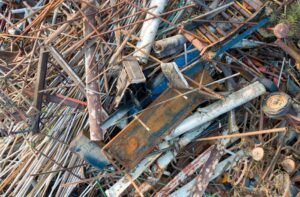
- HMS 1&2 (200 mm × 600 mm, 6 mm thickness) – benchmark for containerised exports.
- Shredded 211 – density ≥ 700 kg/m³, used by mini-mills for fast melt.
- Punchings & Bushelling – clean, new production scrap fetching premium over obsolete grades.
- Cast Iron Borings & Turnings – lower yield, often blended with lighter grades.
Non-Ferrous Standards
- Candy/Barley (ISRI) – bare bright copper wire, 99.9% Cu, zero insulation.
- Millberry – same purity but max 0.5% oxide allowable.
- Aluminium Extrusion 6063 – bundled, clean, no steel inserts.
- UBC (Used Beverage Cans) – shredded and delacquered before re-melt.
Pricing is typically spot basis FOB major port (Sydney, Melbourne, Brisbane) in AUD per tonne; Scrap Trade Australia publishes weekly reference prices aligned to LME minus regional discount.
2. Collection, Sorting and First-Stage Processing
Scrap generation occurs at three points: manufacturing off-cuts (new scrap), end-of-life products (old scrap) and construction demolition. Each flow needs tailored logistics.
Bin Networks and Roll-On-Roll-Off Skips
Metro yards deploy 1–30 m³ bins to fabrication plants under 12-month off-take contracts; GPS-tracked haulage returns to a licensed site within 24 h to minimise double handling.
Shredding and Liberation
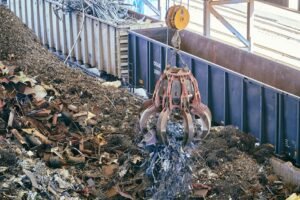
Hammer-mill shredders (1,000–6,000 hp) reduce auto bodies to fist-sized fractions. Down-stream separators recover copper meatballs, aluminium, plastics and fluff. Modern plants recover >95% of ferrous and 92% of non-ferrous metals.
Quality Control and Radiation Gates
Every inbound load passes through radiation portal monitors; alarms trigger automatic quarantine. Handheld XRF guns verify alloy chemistry before inventory booking.
3. Recycling Technologies and Environmental Benefits
Recycling scrap in australia saves 1.1 t of CO₂ for every tonne of steel melted compared with virgin iron ore. Aluminium remelting saves 95% of the energy required for bauxite refining.
EAF vs BOF Route
Electric arc furnaces fed almost entirely by scrap can achieve tap-to-tap times of 45 min. Basic oxygen furnaces limit scrap charge to 25% because of thermodynamic constraints. Australia’s two major EAF mills are located in Laverton and Rooty Hill, each consuming 1 Mt per annum.
Slag Valorisation
Rather than landfill, steel slag is crushed to 20 mm aggregate for road base, reducing demand on quarried stone by 500 kt every year in NSW alone.
Landfill Diversion Metrics
National Waste Report 2022 shows metal recycling rate of 89%, the highest of any material category. The sector also recovers 130 GWh of embedded energy, enough to power 30,000 homes.
To understand the transactional side, read What Is Scrap Trade and learn how bids, offers and letters of credit operate.
4. Domestic End-Markets and Export Flows
Despite abundant reserves of iron ore and bauxite, Australia still imports scrap deficits from neighbouring countries. Circular economy policy targets 90% domestic utilisation by 2030.
Steel Rebar and Section Mills
InfraBuild, Bisalloy and Molycop are key consumers of ferrous scrap, requiring low residual Cu, Cr and Sn to meet AS/NZS 4671 standards for construction rebar.
Aluminium Smelters
Boyne Island and Tomago smelters primarily use alumina, but secondary refineries such as Hydro’s Kurri Kurri site rely on 85% scrap feed for extrusion billet production.
Export Destinations
When domestic demand softens, containers of shredded and HMS are railed to Port Botany and shipped to Bangladesh, Vietnam and Malaysia. The australia scrap page tracks monthly export volumes by customs code.
Traders seeking real-time bids can list surplus material on Scrap Trade, a digital marketplace connecting sellers with vetted buyers.
5. Regulatory Landscape and Safety Obligations
Scrap facilities are classified as “high-risk” under Work Health and Safety Regulation 2017. Chain-of-custody documentation must accompany each load to prove lawful possession and prevent trade in stolen metal.
licensing Requirements
Every scrap yard in NSW must hold a second-hand dealers licence and maintain an electronic register of suppliers, including photo ID and vehicle registration.
Fire Management
Stockpile height limited to 3 m where material is <75 mm; automatic deluge systems required within 6 m of shredders. The Queensland EPA mandates quarterly burn-down drills.
International Basel Convention
Since 2021, mixed non-ferrous scrap that contains >1% contamination is classified as “hazardous” and requires export permit. Clean, single-alloy fractions are exempt, simplifying container loads of scrap australia exports.
6. Trading Tips for Small to Mid-Size Recyclers
Profitability hinges on margin control, accurate grading and logistics efficiency.
- Invest in mobile shears and balers to densify light gauge material; freight is charged per m³.
- Negotiate back-loading rates with transport companies returning empty to ports.
- Hedge using LME futures or domestic swap contracts to protect against price swings.
- Keep copper wire clean and dry; contamination downgrades value from Candy to #2.
- Join industry bodies such as the Australian Metal Recycling Association for advocacy and training.
Access benchmarking data through ScrapTrade.com.au to compare your processing costs with sector medians.
7. Future Trends and Innovation
The sector is transitioning to low-carbon steelmaking, driven by customer demand for Scope 3 emission reductions. Green hydrogen-based DRI plants may blend 30% high-grade scrap to achieve near-zero steel. Digital product passports using blockchain are piloting to verify scrap origin, boosting premiums for verifiable low-carbon material.
Artificial intelligence in sensor-based sorting is pushing non-ferrous recovery rates above 98%. Robotics companies are trialling 24-hour autonomous material handling, reducing labour costs by 15%.
Conclusion: Maximising Value from Scrap in Australia
Understanding grades, investing in technology and complying with safety and environmental standards turns scrap into a strategic resource. With robust markets at home and abroad, operators who master quality, documentation and logistics will continue to profit while helping Australia meet its circular economy and carbon reduction goals.
Frequently Asked Questions
What is the highest paying scrap grade in Australia?
Bare bright copper wire (ISRI Candy) consistently commands top dollar, often 4–5 times the price of HMS 1&2 steel. Clean, unalloyed extrusion 6063 aluminium also earns strong premiums provided it is free of steel inserts.
How is scrap in australia weighed and settled?
Public weighbridges certified by NMI issue dockets showing gross, tare and net mass. Payment terms are typically 7-14 days EFT, although export containers may use letter of credit at bill of lading date.
Can households sell scrap directly to mills?
Most steel mills and aluminium refineries only purchase in minimum 20-tonne lots. Households should deliver sorted material to local scrap yards where aggregation creates truck-load quantities for mill intake.
Does Australia import scrap?
Yes, when domestic arisings are insufficient for specialty alloys. High-purity nickel-cobalt scrap from aerospace is occasionally imported, but ferrous scrap is generally a net export due to abundant local generation.