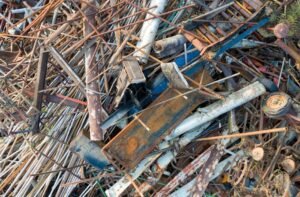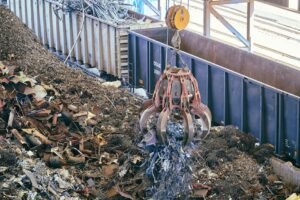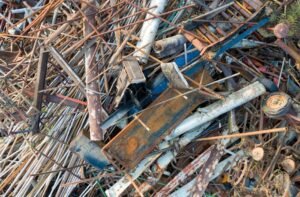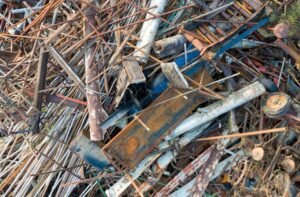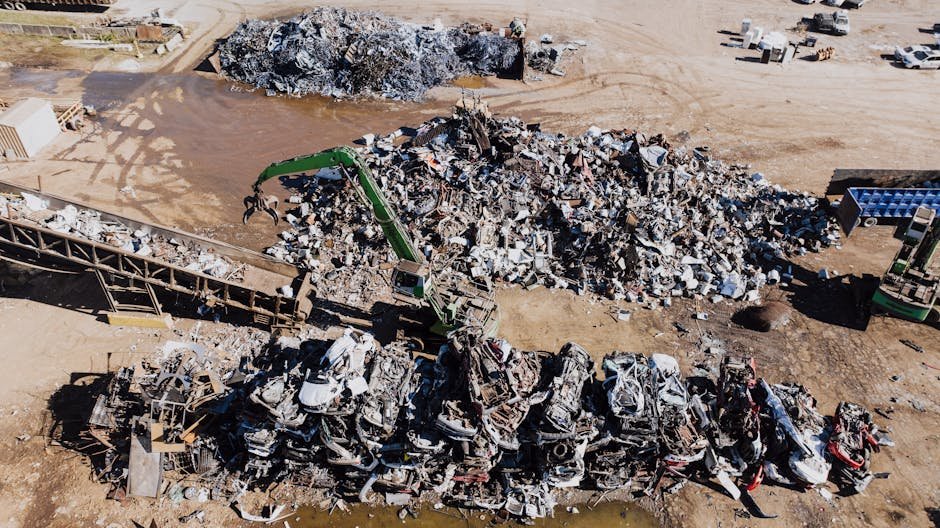

A scrap metal yard is a vital hub in Australia’s recycling ecosystem, specializing in the collection, grading, and processing of metal waste. These facilities play a critical role in reducing landfill use, conserving natural resources, and supporting the circular economy. Whether you’re looking to find a metal scrap yard near you or understand the benefits of scrapping metal, this guide covers everything you need to know.
Grades of Scrap Metal Accepted at Australian Scrap Yards
Scrap metal yards categorize metals into grades based on material type, purity, and usability. The primary categories include:
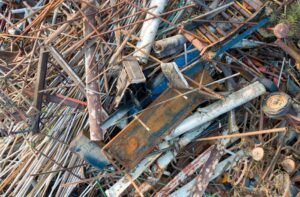
- Ferrous Metals: Contain iron and are magnetic. Common grades include steel, iron, and cast iron. These are widely used in construction and manufacturing.
- Non-Ferrous Metals: Non-magnetic and include aluminium, copper, brass, and zinc. These metals are valued for their conductivity and corrosion resistance.
- Alloys: Mixtures of metals, such as stainless steel or bronze. Alloys are graded based on their composition and application.
- White Metals: Non-ferrous metals like lead and tin, often used in batteries and coatings.
When selling scrap metal, understanding these grades helps you negotiate better rates. Most scrap metal yards provide grading services to determine the value of your materials.
How Recycling Works at a Scrap Metal Yard
The recycling process at a scrap metal yard involves several stages to ensure materials are repurposed efficiently:
- Collection: Materials are gathered from residential, commercial, or industrial sources. Many yards offer walk-in services for convenience.
- Sorting: Metals are separated into grades using magnets, X-ray fluorescence, or manual inspection.
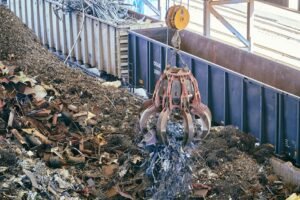
- Processing: Metals are shredded, baled, or melted down, depending on their type and intended reuse.
- Refining: Impurities are removed to produce high-quality raw materials for manufacturing.
- Repurposing: Recycled metals are sold to industries for use in new products, reducing the need for virgin materials.
This process is streamlined at modern recycling depots, which use advanced technology to maximize efficiency and sustainability.
Environmental Benefits of Scrap Metal Recycling
Recycling scrap metal offers significant environmental advantages, making scrap metal yards essential for sustainable development:
- Energy Savings: Recycling metals like aluminium uses up to 95% less energy than producing new metal from ore.
- Reduced Emissions: Lower energy consumption translates to fewer greenhouse gas emissions, combating climate change.
- Landfill Diversion: Recycling keeps millions of tons of metal waste out of landfills, preserving land and reducing pollution.
- Resource Conservation: Recycling reduces the need to mine raw materials, protecting ecosystems and biodiversity.
By choosing to recycle scrap metal, individuals and businesses contribute to a greener future while supporting local economies.
Practical Tips for Buying and Selling at a Scrap Metal Yard
Whether you’re looking to buy and sell scrap metal or simply dispose of old materials, these tips optimize your experience:
- Research Market Rates: Check current scrap metal prices online to understand the value of your materials.
- Prepare Your Materials: Remove non-metal components (e.g., wires, plastics) to avoid contamination and receive higher grades.
- Choose Reputable Yards: Look for licensed scrap yards near you with transparent pricing and eco-friendly practices.
- Understand Weighing Methods: Ensure your materials are weighed accurately to avoid discrepancies.
- Explore Bulk Discounts: Selling large quantities can qualify you for better rates at scrap metal yards.
For a seamless transaction, consider using platforms like ScrapTrade to connect with verified buyers and sellers.
Choosing the Right Scrap Metal Yard Near You
Selecting a reliable scrap metal yard is crucial for safety, compliance, and fair pricing. Key considerations include:
- Licensing and Compliance: Ensure the yard adheres to Australian environmental and safety regulations.
- Facility Size and Equipment: Larger yards with advanced machinery can handle diverse materials efficiently.
- Customer Reviews: Read testimonials to gauge trustworthiness and customer service quality.
- Payment Options: Choose a yard that offers secure and flexible payment methods.
Use tools like Metal Scrap Yard Near Me to locate certified facilities in your area.
The Future of Scrap Metal Recycling in Australia
Technological advancements and policy changes are shaping the future of scrap metal yards. Innovations such as AI-driven sorting systems and blockchain-based tracking improve transparency and efficiency. Additionally, government incentives for recycling are driving increased participation from households and industries. By 2026, experts predict a 30% rise in scrap metal recovery rates, further solidifying Australia’s role as a global leader in sustainable practices.
Why Partner With ScrapTrade for Your Recycling Needs
For businesses and individuals seeking a streamlined recycling solution, Scraptrade offers a platform connecting you to trusted scrap metal yards across Australia. Our services simplify the buy and sell process, ensuring competitive pricing and eco-conscious practices. Whether you’re managing industrial waste or disposing of household items, we help you make informed, profitable decisions.
Conclusion
Scrap metal yards are indispensable to Australia’s environmental and economic health. By recycling metals, we conserve resources, reduce pollution, and support local industries. Whether you’re a first-time seller or a seasoned recycler, understanding grades, processes, and best practices ensures a rewarding experience. Start by locating a scrap yard near you and contributing to a sustainable future today.
Frequently Asked Questions
What are the most common grades of scrap metal accepted at a scrap yard?
The most common grades include ferrous metals (e.g., steel, iron), non-ferrous metals (e.g., aluminium, copper), alloys (e.g., stainless steel), and white metals (e.g., lead, tin). Each grade is sorted based on composition and market demand.
How does a recycling depot process scrap metal for reuse?
Recycling depots sort, shred, and melt scrap metal to remove impurities. The refined materials are then sold to manufacturers for use in new products, reducing the need for raw material extraction.
What environmental benefits come from using a scrap metal yard?
Recycling through a scrap metal yard reduces energy consumption, lowers greenhouse gas emissions, minimizes landfill waste, and conserves natural resources by reusing metals instead of mining new ones.
How can I find a reliable scrap metal yard near me?
Use online directories like Metal Scrap Yard Near Me to locate licensed facilities with transparent pricing and eco-friendly practices in your area.