
Understanding the scrap price for steel is essential for anyone involved in ferrous metal trading, construction demolition, or recycling operations across Australia.
1. Overview of the Australian Steel Scrap Market
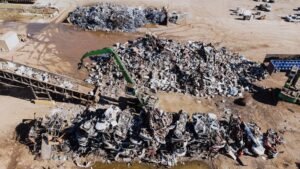
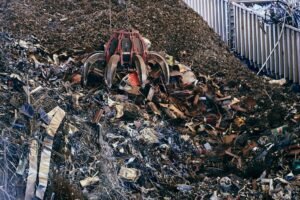
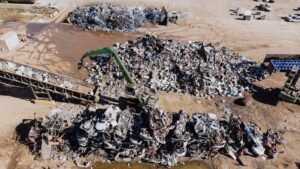
Australia’s scrap steel market is one of the most dynamic sectors in the broader metals industry. With an annual consumption of roughly 12 million tonnes of steel, the country generates about 1.5 million tonnes of steel scrap each year. This scrap feeds both domestic re‑melting facilities and export pipelines to Asia, where demand for low‑cost raw material remains strong.
The price per kilogram that sellers receive – often quoted as “scrap price for steel” – fluctuates daily in response to global commodity trends, local supply‑chain constraints, and the specific grade of material being offered. While the headline figure is useful, a deeper look at how that number is derived reveals the true mechanics of the market.
2. How Scrap Prices Are Determined
Scrap steel prices are not set by a single authority. Instead, they emerge from a network of price‑setting mechanisms that include:
- Spot market transactions: Immediate buying and selling on exchanges such as the London Metal Exchange (LME) influence the base price for steel commodities.
- Regional price guides: Organizations like the Australian Steel Institute publish weekly price guides that reflect local market sentiment.
- Broker negotiations: Independent scrap brokers negotiate contracts with both suppliers and mills, adding a premium or discount based on quality, volume and logistics.
- Government policies: Tariffs, export duties and recycling incentives can shift the baseline price up or down.
In practice, a typical scrap dealer will start with the LME’s steel price per tonne, convert it to a per‑kilogram figure, then adjust for the grade of scrap, transportation costs, and any applicable premiums for clean, sorted material. The resulting figure is the “scrap price for steel” quoted to sellers.
3. Key Factors That Influence the Scrap Price
Several variables can cause the scrap price for steel to swing dramatically within a single week:
- Global steel demand: When Chinese and Indian steel mills ramp up production, they often import Australian scrap, pushing local prices higher.
- Domestic construction activity: A surge in building projects creates a strong demand for recycled steel, raising local rates.
- Currency fluctuations: The Australian dollar’s strength relative to the US dollar affects the competitiveness of Australian scrap on the world market.
- Supply chain disruptions: Port congestion, rail bottlenecks or pandemic‑related labour shortages can reduce the amount of scrap reaching mills, creating a price premium.
- Quality and cleanliness: Scrap that is free of contaminants (paint, oil, non‑ferrous metals) commands a higher price per kg.
- Seasonal factors: End‑of‑financial‑year inventory clear‑outs often lead to temporary price spikes.
By monitoring these indicators, sellers can time their sales to capture the most favorable scrap price for steel.
4. Grades of Scrap Steel and Their Market Values
Not all steel scrap is created equal. The industry classifies scrap into several grades, each with a distinct price per kg:
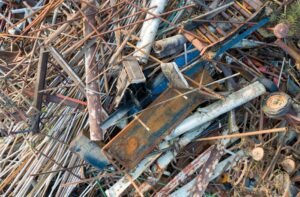
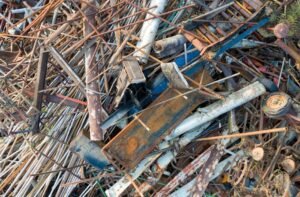
- Heavy Melting Steel (HMS) 1 and 2: The most valuable ferrous metal, consisting of clean, large‑section steel such as beams, rails and castings. HMS 1 typically fetches the highest price, often $1.30‑$1.45 per kg.
- Scrap Turned (ST): Small pieces of steel that have been processed through a shearing or shredding line. Prices range from $1.10‑$1.25 per kg.
- Sheet Metal: Thin flat steel used in automotive panels and appliances. Depending on cleanliness, sheet metal may command $1.00‑$1.20 per kg.
- Mild Steel: Low‑carbon steel commonly found in construction rebar and pipe. Prices are slightly lower than HMS, usually $0.95‑$1.10 per kg.
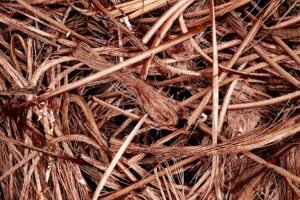
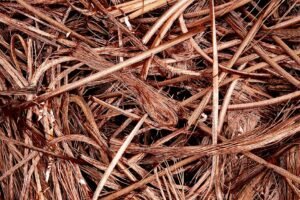
- Non‑ferrous contaminants: Items such as copper wiring or aluminum brackets must be removed; otherwise they depress the price.
For a more granular look at pricing across grades, see our detailed guide on Scrap Steel Price Per Kg A Complete Guide For Sellers. The guide also explains how to calculate the effective price per tonne when you factor in processing costs.
5. The Recycling Process: From Scrap to New Steel
Recycling steel is a closed‑loop process that begins the moment a piece of ferrous metal is discarded. The typical pathway is:
- Collection: Demolition contractors, manufacturers and households deliver scrap to licensed collection points.
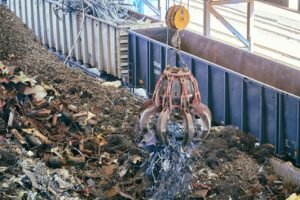
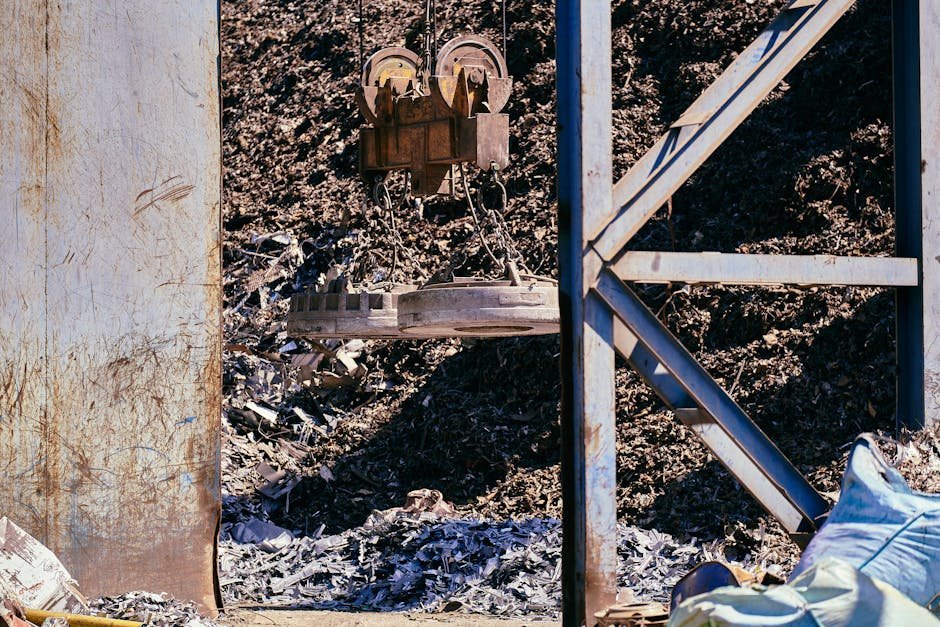
- Sorting: Automated magnets separate ferrous from non‑ferrous metals. Advanced optical sorters then identify grades such as HMS, sheet metal or mild steel.
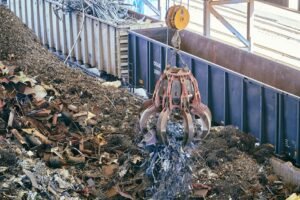
- Processing: Shredders reduce large pieces into uniform fragments, removing paint and other contaminants with high‑pressure water jets.
- Melting: Electric arc furnaces (EAF) melt the cleaned scrap at 1,600‑1,800 °C, using minimal fossil‑fuel energy compared with blast furnaces.
- Refining: The molten steel is treated with fluxes to remove residual oxides, then cast into billets, coils or slabs for downstream manufacturing.
- Distribution: Finished steel products re‑enter the market, completing the circular economy loop.
Because the recycling process consumes up to 74 % less energy than producing virgin steel from iron ore, the economic incentive to keep scrap flowing is strong. Moreover, the lower carbon intensity of recycled steel helps Australian companies meet their ESG targets.
6. Environmental Benefits of Steel Recycling
Recycling steel delivers measurable environmental advantages:
- Energy savings: Producing steel from scrap uses roughly 30 % of the energy required for primary production, translating to about 1.5 GJ per tonne saved.
- Reduced greenhouse‑gas emissions: Each tonne of recycled steel avoids approximately 1.8 tonnes of CO₂ equivalent emissions.
- Landfill diversion: Over 90 % of steel is recyclable, meaning that recycling prevents massive volumes of waste from occupying landfill space.
- Resource conservation: Recycling reduces the demand for iron ore mining, preserving natural habitats and water resources.
These benefits are recognised in Australian government policy, which offers rebates for businesses that achieve high recycling rates. Companies that source recycled steel also gain a marketing edge by showcasing their commitment to sustainability.
7. Practical Tips for Sellers to Maximise Their Returns
Getting the best scrap price for steel requires more than simply dumping a load at the nearest yard. Follow these proven strategies:
- Know your grade: Separate HMS, sheet metal and mild steel before you transport them. Clean, well‑sorted loads fetch premiums.
- Stay informed on market trends: Track metal prices today on reputable platforms such as Scrap Trade and watch for weekly LME updates.
- Leverage volume discounts: Offer larger consignments to a single processor to negotiate a better price per kg.
- Optimize logistics: Use rail or bulk trucks to lower transportation costs, especially for heavy loads of HMS 1.
- Maintain documentation: Accurate weight tickets, grade certificates and compliance records speed up payment cycles.
- Consider secondary markets: If local prices dip, explore export opportunities to Asian mills where demand may be higher.
For a concise snapshot of current market rates, refer to our live feed on scrap steel price per kg. The same page also links to the broader scrap steel price overview, which includes historical trends.
8. Frequently Asked Questions
Below are answers to the most common queries about steel scrap valuation.
What is the difference between HMS 1 and HMS 2?
HMS 1 consists of clean, heavy sections such as structural beams and large castings, while HMS 2 includes lighter, thinner pieces like automotive panels. HMS 1 commands a higher price per kg because it requires less processing.
How often do scrap prices change?
Scrap prices are updated daily on most trading platforms, reflecting shifts in global steel demand, currency rates and local supply conditions.
Can I sell mixed ferrous and non‑ferrous scrap together?
Mixing non‑ferrous metals (copper, aluminium) with ferrous scrap reduces the overall price. It’s best to separate them; for aluminium rates see our Aluminum Scrap Price In 2026 guide.
Is there a premium for stainless steel scrap?
Yes. Stainless steel scrap typically trades at a higher price than carbon steel due to its alloy content. Detailed pricing can be found in our Stainless Steel Scrap Price article.
Conclusion: Turning Knowledge into Profit
Mastering the scrap price for steel means understanding the interplay of global commodity markets, local grade specifications and logistical efficiencies. By staying current on metal prices today, sorting your material into high‑value grades, and leveraging the environmental advantages of recycling, you can secure the best possible return on every kilogram of ferrous metal you bring to market.
For ongoing updates, industry news and a full suite of price‑tracking tools, visit ScrapTrade.com.au. Armed with this guide, you are ready to navigate Australia’s steel scrap landscape with confidence and profitability.
Frequently Asked Questions
What is the difference between HMS 1 and HMS 2?
HMS 1 consists of clean, heavy sections such as structural beams and large castings, while HMS 2 includes lighter, thinner pieces like automotive panels. HMS 1 commands a higher price per kg because it requires less processing.
How often do scrap prices change?
Scrap prices are updated daily on most trading platforms, reflecting shifts in global steel demand, currency rates and local supply conditions.
Can I sell mixed ferrous and non‑ferrous scrap together?
Mixing non‑ferrous metals (copper, aluminium) with ferrous scrap reduces the overall price. It’s best to separate them; for aluminium rates see our Aluminum Scrap Price In 2026 guide.
Is there a premium for stainless steel scrap?
Yes. Stainless steel scrap typically trades at a higher price than carbon steel due to its alloy content. Detailed pricing can be found in our Stainless Steel Scrap Price article.