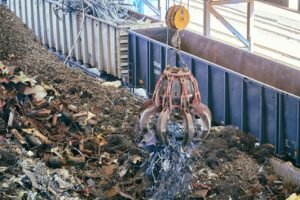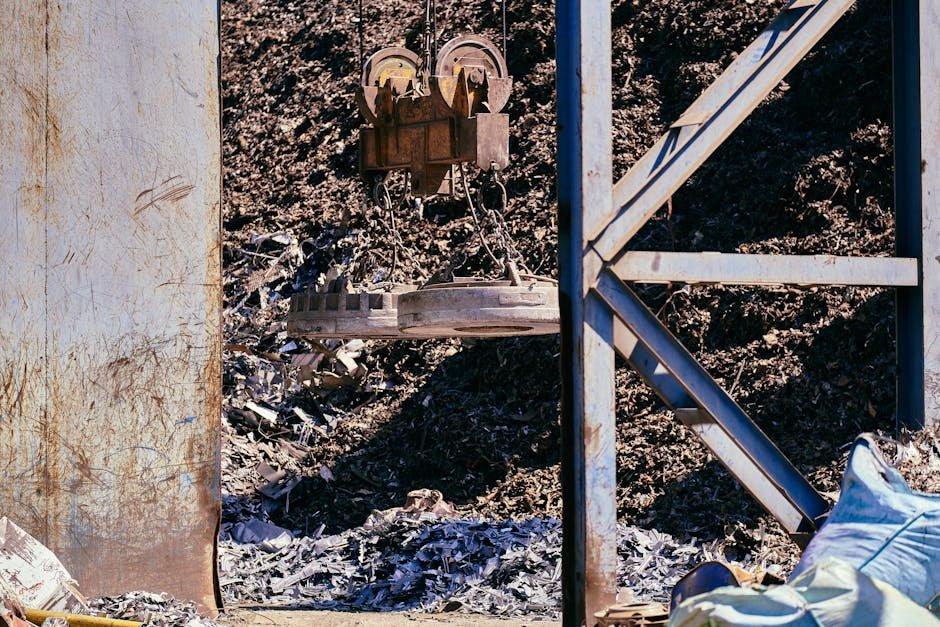

Understanding scrap steel value is essential for anyone involved in the ferrous metal market, whether you are a seasoned recycler, a construction contractor, or a homeowner with leftover sheet metal. This guide breaks down the grades of scrap, explains how recycling works, and highlights the environmental benefits that make scrap steel a cornerstone of a circular economy in Australia.
1. Overview of the Australian Scrap Steel Market
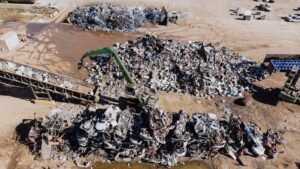
Australia processes over 5 million tonnes of ferrous metal each year, with scrap steel accounting for the majority of that volume. The market is driven by domestic steel manufacturers, export demand to Asian mills, and government policies that encourage material recovery. Prices fluctuate with the global steel price per tonne, which is influenced by raw material costs, energy prices, and international trade dynamics. Knowing the current scrap steel price per kg gives you a real‑time benchmark for estimating revenue.
2. How Scrap Steel Is Graded
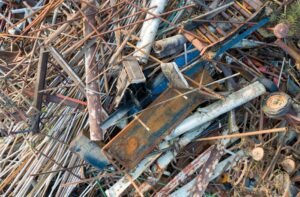
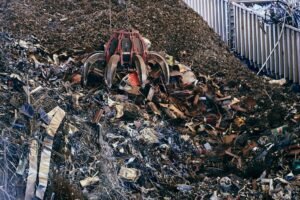
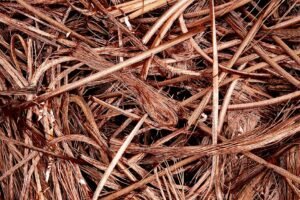
Accurate grading is the foundation of fair pricing. The Australian scrap industry uses a standardized system that separates steel into categories based on composition, condition, and form. The most common grades include:
- Heavy Melting Steel (HMS) 1 – Clean, uncoated, and free of contaminants.
- Heavy Melting Steel (HMS) 2 – Similar to HMS 1 but may contain minor rust or paint.
- Shredded Steel – Processed through shredders to create uniform pieces.
- Light Scrap – Includes sheet metal, pipe, and other thin‑walled products.
- Mixed Ferrous – A blend of various steel types, often lower in value.
For a detailed breakdown, see the resource on Steel Scrap Grading 1 Prepared 2 Prepared Shredded. Understanding these categories helps you sort material correctly, avoid contamination, and command higher rates.
3. Key Factors Influencing Scrap Steel Value
Several variables affect the final price you receive for scrap steel:
- Grade and purity: Higher grades like HMS 1 fetch premium rates.
- Weight: Prices are quoted per tonne or per kilogram; accurate scales are essential.
- Market demand: Construction booms increase demand for mild steel and sheet metal.
- Global steel price per tonne: International market trends directly impact local pricing.
- Processing costs: Shredding, cleaning, and transportation add to the final valuation.
When you know the current scrap steel price per kg, you can calculate expected revenue using simple formulas. For example, a 2‑tonne load of HMS 2 at $250 per tonne yields $500 before deductions.
4. The Recycling Process: From Collection to Re‑Melting
The journey of scrap steel from your site to a new product involves several stages:
- Collection and segregation: Materials are gathered, sorted by grade, and any non‑ferrous contaminants are removed.
- Transportation: Loads are taken to a processing facility, often via truck or rail.
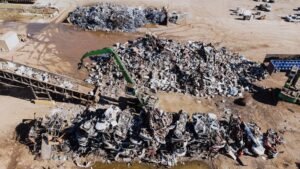
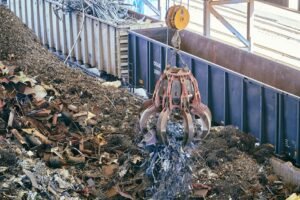
- Processing: Large pieces are sheared, shredded, or baled. This is where the “shredded” grade is created.
- Melting: Steel is melted in electric arc furnaces (EAF) that can reach temperatures above 1,600°C. The molten steel is refined to remove impurities.
- Casting and rolling: The refined steel is cast into billets, slabs, or coils, then rolled into final products such as sheet metal, rebar, or automotive components.
Each step adds value by reducing waste and conserving energy. Recycling steel saves up to 74% of the energy required to produce virgin steel from iron ore, translating into lower carbon emissions.
5. Environmental Benefits of Recycling Scrap Steel
Scrap steel recycling is a win‑win for the economy and the planet. Key environmental advantages include:
- Energy conservation: Recycling uses roughly one‑quarter the energy of primary steel production.
- Reduced greenhouse gas emissions: Every tonne of recycled steel avoids about 1.8 tonnes of CO₂.
- Landfill diversion: Steel is 100% recyclable and can be reused indefinitely, keeping material out of landfill.
- Resource preservation: Recycling lessens the need for iron ore mining, preserving natural habitats.
These benefits are recognized in Australian government initiatives such as the National Waste Policy, which sets targets for increasing material recovery rates.
6. Practical Tips for Maximising Your Scrap Steel Value
Whether you’re a small business or a large construction firm, the following practices can help you achieve the best price:
- Separate grades at the source: Keep HMS 1, HMS 2, and shredded steel in distinct containers.
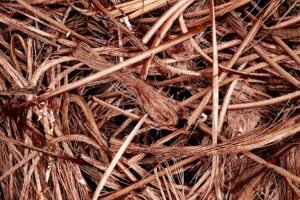
- Remove contaminants: Strip paint, plastic, and non‑ferrous metals before delivery.
- Weigh accurately: Use calibrated scales; discrepancies can lead to disputes and lower payouts.
- Stay informed on market trends: Monitor the scrap steel price per kg and global steel price per tonne to time your sales.
- Leverage online tools: Estimate your load value with the Stainless Steel Scrap Calculator Estimate Your Material Value – it works for ferrous metal as well.
- Partner with reputable processors: Companies that follow the Australian Scrap Recycling Code ensure fair grading and transparent pricing.
For those dealing with stainless steel alongside carbon steel, consult the dedicated Stainless Steel Scrap Price page to understand the premium that alloying elements command.
7. Frequently Asked Questions
Below are concise answers to common queries about scrap steel value and recycling.
8. Conclusion: Turning Waste into Wealth
Scrap steel value is not just a number on a price board; it reflects a complex interplay of grade, market forces, and environmental stewardship. By grading correctly, staying current on pricing, and following best‑practice recycling methods, you can turn what might be waste into a profitable, sustainable resource. For more detailed pricing data, visit Scrap Trade platform, the leading Australian marketplace for metal recyclers. To explore additional resources tailored to Australian businesses, check out ScrapTrade.com.au for industry news, compliance guides, and networking opportunities.
Related: scrap steel dural
Frequently Asked Questions
How is scrap steel priced in Australia?
Scrap steel is priced based on grade, weight, and the current steel price per tonne. Processors quote rates per kilogram, adjusting for market demand and processing costs.
What are the main grades of scrap steel?
The primary grades include Heavy Melting Steel (HMS) 1 and 2, shredded steel, light scrap such as sheet metal, and mixed ferrous. Each grade has distinct price brackets.
Can I sell mixed scrap without sorting?
While you can sell mixed scrap, it usually fetches a lower price because processors must spend extra time separating and cleaning the material.
How does recycling steel reduce environmental impact?
Recycling steel saves up to 74% of the energy needed for primary production and cuts CO₂ emissions by roughly 1.8 tonnes per tonne recycled, while also diverting waste from landfills.