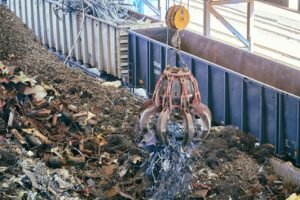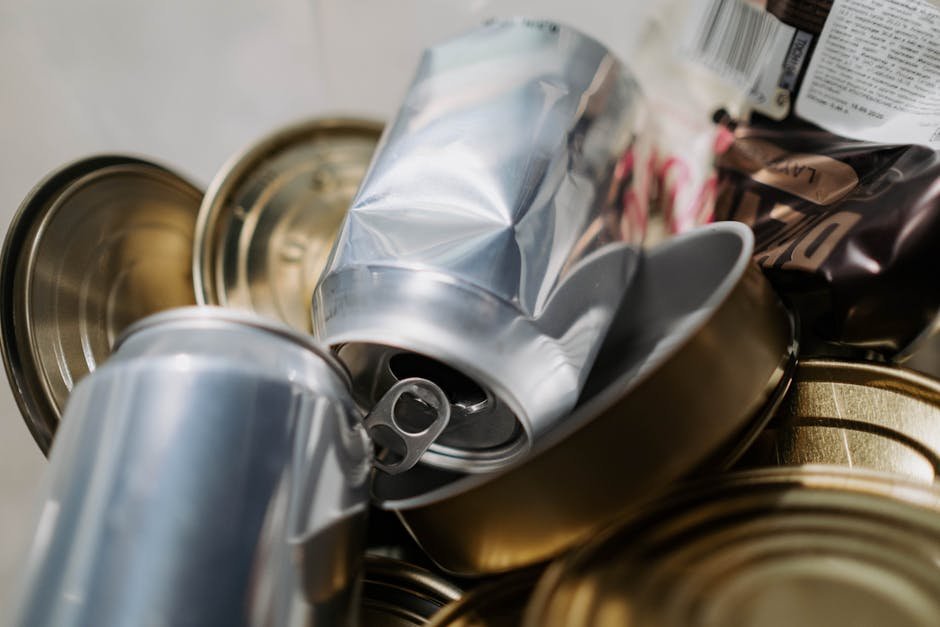

Understanding aluminum recycling value is crucial for businesses, tradespeople, and environmentally conscious Australians. Aluminum stands as one of the most economically viable materials to recycle, with inherent properties that make it infinitely recyclable without quality loss. This comprehensive guide examines how aluminum scrap pricing works, factors affecting market value, and actionable strategies to maximize returns while contributing to Australia’s circular economy. We’ll explore everything from beverage containers to industrial extrusion scrap, providing expert insights into current market dynamics.
The Science Behind Aluminum’s Recycling Value
Aluminum possesses unique metallurgical properties that underpin its recycling economics. Unlike many materials, aluminum can be melted and reformed repeatedly without molecular degradation. This recyclability stems from its stable atomic structure and protective oxide layer. Crucially, recycling aluminum requires only 5% of the energy needed for primary production from bauxite ore – a massive 95% energy saving that directly translates to economic value. The Australian aluminum recycling industry recovers approximately 90% of building and construction aluminum and 70% of beverage cans, diverting over 200,000 tonnes annually from landfills.
Key Factors Determining Aluminum Scrap Prices
Multiple variables influence the aluminum price you’ll receive at scrap yards:
- Alloy Composition: Aerospace-grade alloys (like 7075) command premium prices versus common alloys
- Contamination Levels: Presence of steel screws, rubber seals, or plastic coatings reduces value
- Market Demand: Construction booms increase demand for extrusion scrap
- Global Markets: LME (London Metal Exchange) aluminum prices set baseline values
- Volume: Commercial quantities often receive price premiums
Recent Australian Bureau of Statistics data shows scrap aluminum exports valued at $680 million annually, demonstrating the significant economic scale of this sector.
Hierarchy of Aluminum Scrap Values
Not all aluminum scrap carries equal value. The hierarchy ranges from high-purity alloys to mixed low-grade scrap:
- Aluminum Extrusion: Clean window frames and door components ($2.80-$3.50/kg) due to consistent alloy composition
- Bare Bright Aluminum: Unpainted, uncoated wire and cladding ($2.20-$2.80/kg)
- Cast Aluminum: Engine blocks and machinery parts ($1.50-$2.20/kg)
- Aluminum Cans: Beverage containers ($0.50-$1.50/kg) – learn premium collection techniques in our guide on Aluminum Can Recycling Prices How To Maximize Your Earnings
- Mixed Aluminum: Contaminated or unknown alloys ($0.30-$1.20/kg)
Australian Market Dynamics and Pricing Trends
The Australian aluminum scrap market operates within global commodity frameworks but has distinct regional characteristics. Eastern states typically see 10-15% higher prices than remote areas due to transport costs and competition between processors. Recent infrastructure projects have driven extrusion demand up 22% year-on-year in Victoria and NSW, while beverage can recycling rates surged to 76% following container deposit schemes. Current indicative prices (Q3 2024) range from $0.40/kg for painted siding to $3.20/kg for clean 6063 alloy extrusions. For localized pricing, consult our Scrap Metal Recycling Near Me resource.
Maximizing Your Aluminum Scrap Returns
Implement these proven strategies to boost your aluminum recycling value:
- Material Separation: Isolate extruded aluminum from cast pieces
- Decontamination: Remove all non-aluminum components before weighing
- Compaction: Crush cans to increase payload density
- Volume Building: Store scrap until you reach minimum weight tiers
- Market Timing: Track LME trends via our market intelligence portal
Industrial recyclers using advanced sorting technologies like X-ray fluorescence (XRF) analyzers achieve 98% purity levels, qualifying them for alloy-specific price premiums unavailable to casual recyclers. For commercial operators, our aluminum scrap recycling services offer volume-based pricing advantages.
Environmental Economics: Beyond Per-Kilogram Value
The true aluminum recycling value extends beyond immediate cash returns. Recycling a single tonne of aluminum saves:
- 9 tonnes of CO2 emissions versus primary production
- 14,000 kWh of electricity
- 7 cubic metres of landfill space
Australia’s recycling efforts currently save over 3 million tonnes of greenhouse gases annually – equivalent to removing 650,000 cars from roads. This environmental dividend creates economic value through carbon credit systems and reduced waste management costs for municipalities. Join Western Sydney’s sustainability leaders via our aluminum recycling blacktown initiative.
Technological Innovations Driving Future Value
Emerging technologies are set to increase aluminum recovery rates and value capture:
- Laser-Induced Breakdown Spectroscopy (LIBS): Enables real-time alloy identification
- AI Sorting Systems: Improve purity levels at material recovery facilities
- Advanced Eddy Current Separators: Extract finer aluminum fragments from waste streams
- Blockchain Tracking: Provides certified carbon footprint data for green manufacturing
These innovations could increase Australia’s recoverable aluminum value by an estimated $120 million annually by 2030.
Community Impact and Social Value Creation
Beyond individual returns, aluminum recycling generates significant community benefits. Container deposit schemes have created over 600 collection points nationally, while scrap processing facilities provide regional employment hubs. Community recycling initiatives demonstrate how environmental responsibility creates economic opportunities – discover local programs through our Recycling Community network. Schools and sports clubs nationwide raise over $15 million annually through can collection drives, proving that small actions create substantial collective impact.
Conclusion: Realizing Full Value Potential
Maximizing aluminum recycling value requires understanding market mechanisms, proper material preparation, and strategic timing. By implementing the techniques outlined – from alloy separation to volume building – Australians can significantly increase their returns while advancing sustainability goals. The aluminum recycling ecosystem demonstrates how environmental responsibility and economic benefit can align perfectly. As global demand for low-carbon materials grows, the intrinsic value of recycled aluminum will continue rising. Start converting your scrap into maximum returns today through our specialized trading platform, where transparent pricing meets environmental stewardship.
Frequently Asked Questions
Why is extruded aluminum more valuable than cans?
Extruded aluminum typically comes from higher-grade alloys like 6061 or 6063, which contain valuable magnesium and silicon. These maintain structural integrity when remelted and are preferred for manufacturing. Cans use thinner 3004/3104 alloy with more contaminants from labels and contents, requiring more processing.
How often do aluminum scrap prices change in Australia?
Scrap aluminum prices typically fluctuate weekly based on London Metal Exchange (LME) benchmarks, AUD/USD exchange rates, and local demand. Construction industry activity significantly impacts extrusion prices, while beverage can values correlate with seasonal consumption. Major yards update prices every Tuesday and Friday.
Does cleaning aluminum scrap increase its value?
Yes, removing contaminants typically increases value by 25-60%. Yards discount for dirt, oils, or attached non-aluminum materials because they increase smelting costs and reduce output purity. Pressure-washing extruded aluminum can boost returns from $2.20 to $2.80/kg, while removing steel screws from machinery parts prevents downgrading to mixed scrap prices.
Can I recycle aluminum foil and packaging?
Most yards accept clean aluminum foil and food packaging, but pay lower rates ($0.30-$0.80/kg) due to contamination risks and thin gauge. Foil must be grease-free and balled into fist-sized minimum weights. Composite packaging like drink pouches or chip bags typically aren’t accepted as the plastic layers make recovery uneconomical.